01
Jun
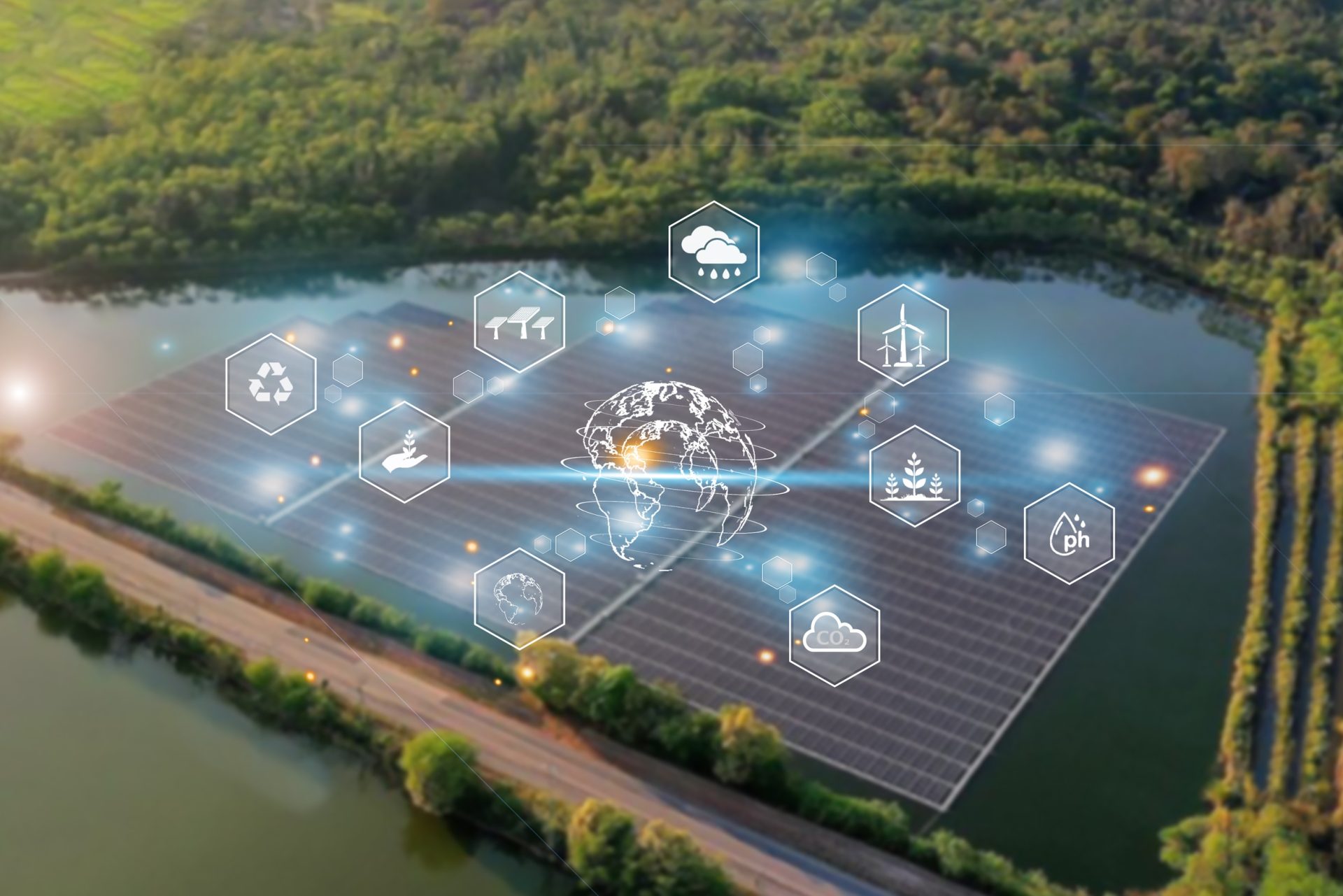
The growing attention towards climate change and the depletion of fossil resources is leading the world towards a new era, in which digitalisation plays a fundamental role.
But what exactly does this energy transition mean and how can digitalisation help companies overcome the challenges and exploit the opportunities it offers?
The energy transition is a process that aims to reduce the use of non-renewable energy sources and promote the adoption of renewable sources, such as solar, wind and hydroelectric energy. This is essential to reduce greenhouse gas emissions and limit climate change.
Furthermore, the energy transition is also a response to the increasing depletion of fossil resources, which are limited and unsustainable in the long term. This new energy model represents a great challenge, but at the same time offers opportunities for development and innovation for companies.
In this blog post we will examine the relationship between digitalisation and energy transition, highlighting how the synergy between these two areas is redefining the global energy landscape.
The digital transformation of the energy system represents a significant factor that profoundly changes the process of energy production, distribution, storage and management.
This digital revolution is present in several ways:
- Smart Grid: traditional electricity networks are transforming into intelligent networks that use sensors, control devices and data analysis to optimize energy distribution. Smart Grids allow for a more flexible and decentralized network, allowing better management of supply and demand, reducing waste and improving overall efficiency.
Projections suggest that approximately 17% of investments in networks will be oriented towards innovations regarding the transmission (TSO, Transmission System Operator) and above all the distribution (DSO, Distribution System Operator) of renewable sources.
- Data monitoring and analysis: The process of digitalization of the energy system can be significantly supported by the use of data. The data can help identify areas for improvement in energy production, providing important insights into system performance and inefficiencies. This data can be used to optimize manufacturing processes, reduce costs and increase energy efficiency.
- Distributed energy: this form of energy production has numerous advantages, including greater security and resilience of the energy system, a reduction in greenhouse gas emissions and greater autonomy and independence of local communities. Furthermore, thanks to digitalisation, it is possible to manage decentralized energy production more efficiently and intelligently, optimizing the use of renewable sources and reducing waste.
Thanks to the initiatives of the European Commission, the renewables sector is becoming increasingly efficient and sustainable thanks to the use of IoT devices, smart meters and 5G and 6G connectivity networks. It is important to continue investing in and supporting the development of these technologies to ensure an effective and inclusive transition to renewables for all. Collaboration between digital and renewable technologies is essential to achieve the objectives of reducing emissions and protecting the environment.
The digitalization of the energy system requires open and interconnected digital solutions, together with data quality assurance. Among the main fundamental elements:
- Precise monitoring and control: Digitalisation is revolutionizing the way we monitor renewable sources such as solar and wind energy. Thanks to advanced technologies and systems, we are able to collect and analyze more precise and timely data on the performance of these energy sources. This allows us to make informed decisions to optimize the production and use of renewable energy.
- Demand management: digitalisation allows for more flexible and efficient management of energy demand, ensuring better use of available renewable resources. This translates into greater reliability of the energy system and reduced costs for consumers.
- Energy efficiency: Digital technologies help optimize energy efficiency in systems, reducing waste and overall costs.
- Technological innovation: Digitalisation promotes the innovative evolution of the energy sector, promoting the development of new technologies and more efficient and sustainable solutions.
In summary, digitalization plays a crucial role as a catalyst in the energy transition. The integration of digital technologies into energy infrastructure contributes not only to reducing environmental impact, but also to increasing efficiency, resilience and innovation in the energy sector globally.
The Stern / Raptech case study: Operations & Maintenance
An example of the importance of the digital and energy transition combination is represented by the collaboration between Stern Energy, a specialized operator that offers technical services of O&M, Asset Management, revamping and construction of photovoltaic systems on European territory, and Raptech, specialized in digital monitoring systems and asset management.
The main challenges posed to Stern in the Operations & Maintenance area concerned the reduction of plant downtime, the maximization of production and the search for high performance in the plant and monitoring systems.
From a technical perspective, managing a photovoltaic system can present some significant challenges. It is important to understand these challenges to ensure proper operation and maximize energy production.
Photovoltaic systems, especially large ones, require continuous maintenance and monitoring due to their complexity and large number of components. Constant monitoring and timely interventions are essential to prevent failures or malfunctions, which could compromise the efficiency of the entire system.
Optimizing the energy produced is further complicated by external factors such as climatic conditions and the availability of sunlight. These elements make a dynamic approach to planning and monitoring necessary, in order to optimize energy production and minimize waste.
An effective monitoring system is therefore essential to guarantee the efficiency and productivity of a photovoltaic system. This system must be able to collect accurate data and provide tools for their in-depth interpretation and analysis. Only through accurate data management is it possible to obtain valuable information for the continuous improvement of operations, the prediction of any problems and the adoption of proactive solutions.
Thanks to the functions that Raptech provides to Stern Energy through the tools they have developed, it is possible to use practical and strategically relevant functions in the management of photovoltaic power plants, such as:
- Call Intra Day: when a plant for one reason or another stops communicating or in any case being reachable by the main monitoring system, the use of the Call IntraDay helps Stern Energy to evaluate the operation of the plant by bypassing the monitoring system, ensuring that the plant is regularly in production;
- Pods Monthly productions: for the preparation of monthly reports for customers, it is possible to detect the energy input data of the relevant POD (system). This function allows you to save a lot of time when drafting the report as it is no longer necessary to access the E-Distribuzione portal on the profiles of the various SPVs to acquire the data;
- Meter registers: for the preparation of monthly reports, the production meter registers are recorded directly by Raptech systems;
- Repository: it is possible to access the Raptech “archive” relating to the account, specifically you can find the quarterly and daily curves of all the systems (of all the system meters) present in that account. This function allows Stern Energy to always have the curves available in case of need (see requests for E-Distribuzione checks or requests from customers);
- Meter status: this function allows you to check remote reading problems for each production meter. Through daily monitoring, Stern Energy is able to intervene promptly on the systems and resolve any problems that could hinder the network manager from correctly remote reading the meters. An alarm is created when a meter is not remotely read by Raptech for five consecutive days;
- Monthly Productions: to see, if necessary, the totalizers in terms of energy for each meter, whether GSE or Fedin (also exportable here) for counter-checks and data validation
The Stern / Raptech case study: Asset management
Asset Management consists of the control and optimization of all aspects of the photovoltaic system (Commercial, Technical and Financial). This includes the technical supervision and maintenance activities of the plant, the management of the administrative obligations required by law, the monitoring and management of incentives and the sale of the energy injected (including Certificates of Guarantee of Origin), the management and the payment of operating expenses, and finally, budgeting and financial analysis activities.
The main objective is to maximize profits, optimize the economic-financial situation and maintain an efficient relationship with all stakeholders involved in the project.
Relying on an Asset Management company like Stern Energy offers numerous advantages. First, you get greater operational efficiency, precise revenue control and a significant reduction in operating costs. Careful management of all aspects of the system allows you to obtain the maximum return on your investment and maximize economic returns.
Through data and performance analysis, Asset Management can identify interventions to optimize energy production. This includes strategic maintenance planning, optimization of technical performance and management of purchases and supplies targeted to the needs of the specific plant.
The implementation of an efficient Asset Management system can lead to a significant reduction in plant management costs, improve energy productivity and maximize revenues from incentives and energy sales. Careful monitoring and proactive management are key to ensuring the long-term success of PV investments.
On the Asset Management front, Stern’s main challenges were multiple and mainly concerned the optimization of processes in the administrative and financial management of the plants:
– the minimization of remote meter reading errors: market needs and the economic and financial relevance of the problem in the eyes of investors required an increase in reactivity in identifying deviations and intervening promptly through reports to network managers and the authorities sector, bringing very high economic-financial results to our customers.
Thanks to the help of Raptech, the Stern Energy Asset Management team is able to promptly identify any problems with remote reading and disconnection of the meters and intervene promptly, with the help of the O&M department, to restore them, avoiding misalignments with the distributor in advance network which negatively affect the financial flows of the project.
– Full control of deadlines and reactivity in processing procedures: keeping the sphere of administrative obligations monitored and knowing how to promptly manage the procedures for sending communications and data to the sector authorities is a distinctive element in the management of photovoltaic projects and also other technologies.
Thanks to the union between Raptech’s digital technology and the competence and professionalism of Stern’s Asset Managers, the Company has managed to create an efficient system for monitoring and automated management of practices towards the sector authorities, which has led to a minimization management times and an increase in the quality of the data transmitted.
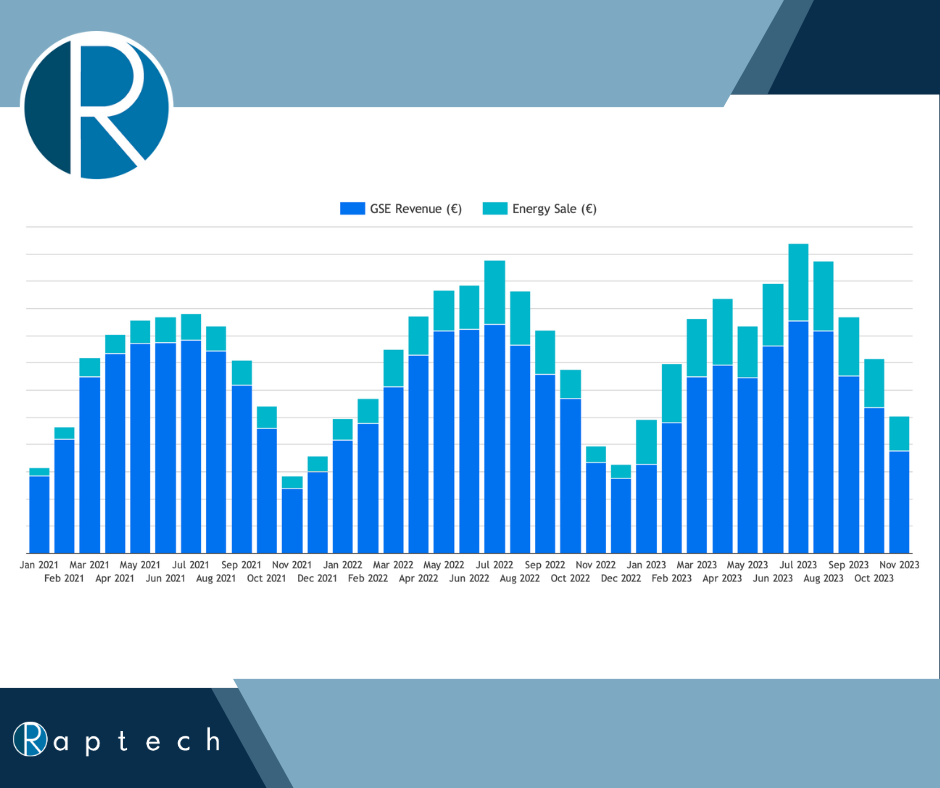
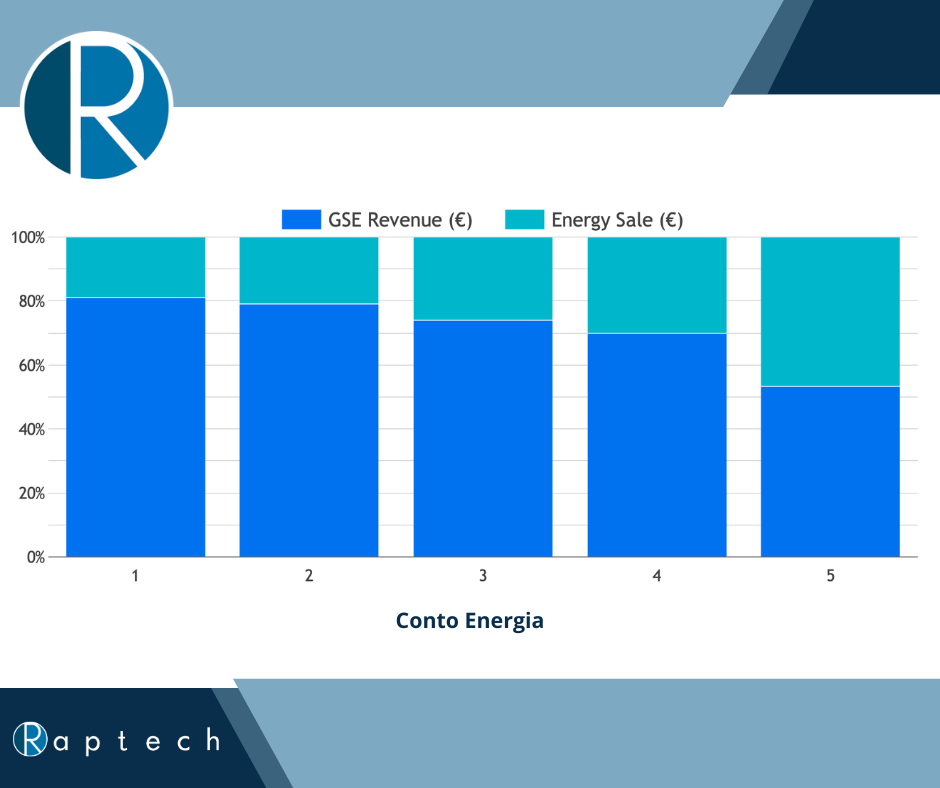
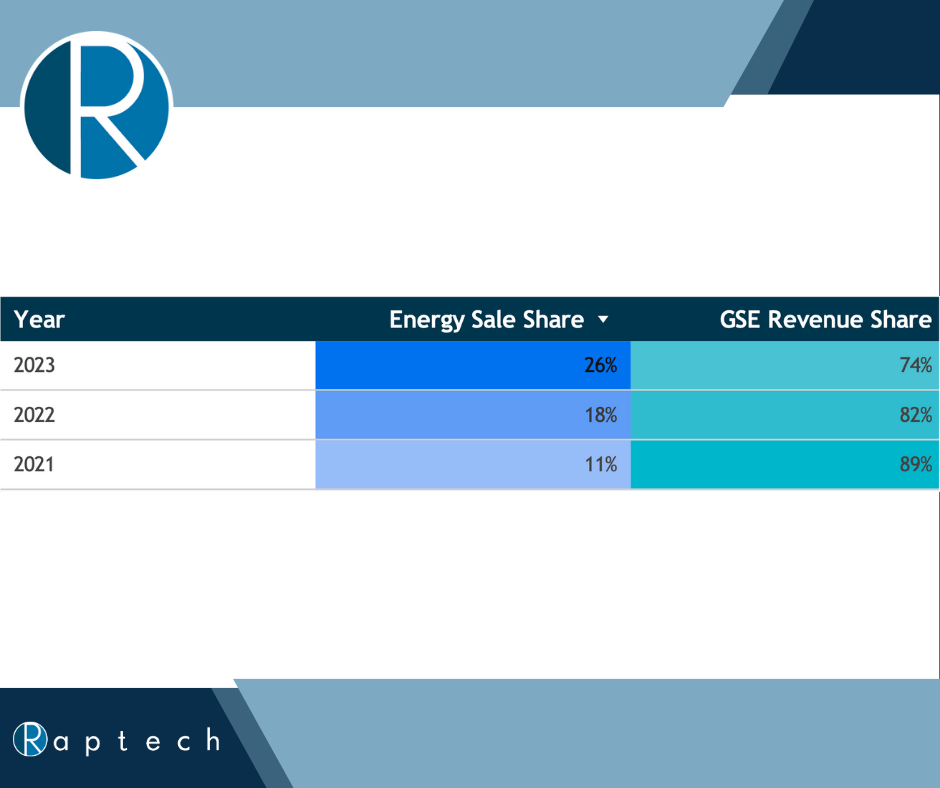
– Maximize revenues deriving from incentives and energy sales: the optimization of processes and the quality of control of energy sales invoices and incentives received from the GSE have become a priority purpose in the management of photovoltaic parks and beyond. This challenge, strictly connected to the minimization of remote meter reading errors, is a determining factor for maximizing profits and making the economic and financial situation of the projects more efficient.
With the help of Stern’s sophisticated IT systems, which automatically interconnect with the Enel Distribuzione and GSE portal, the Company is quickly able to create estimates on expected cash flows and revenues and at the same time compare them with the data final received from the Trader and the GSE. This allows Asset Managers to promptly identify any inconsistencies and activate appropriate corrective actions.
Raptech solutions
Thanks to digital innovation, services for Stern customers can reach new levels of excellence and above all guarantee better operational efficiency.
The integration of Raptech’s advanced systems, designed specifically for the management of photovoltaic systems, allows Stern to provide the highest quality services, responding promptly and effectively to customer needs.
Technological innovation and the choice of the right solutions are fundamental to providing value-added services and concretely contributing to the energy transition. Raptech’s advanced solutions have proven their effectiveness in various areas, including:
- Optimization of work processes: Raptech solutions allow you to perfect workflows, improving efficiency and reducing processing times.
- Information sharing: The platform facilitates communication and data sharing between the different actors involved in plant management, ensuring optimal transparency and collaboration.
- Cross-checks: The use of high-quality data allows accurate cross-checks to be carried out, improving the precision of operations and the detection of any anomalies.
- Task automation: By automating mechanical and repetitive tasks, the system allows you to focus attention on priority tasks, increasing efficiency and overall productivity.
Thanks to these innovations, Stern Energy is able to maximize revenues from photovoltaic systems, while ensuring compliance with regulatory requirements and maintaining high data quality standards. The adoption of Stern Energy’s services and Raptech’s digital solutions represents a fundamental step towards improving the operational and administrative management of plants, significantly contributing to the sustainability and profitability of the photovoltaic sector.