Blog in English

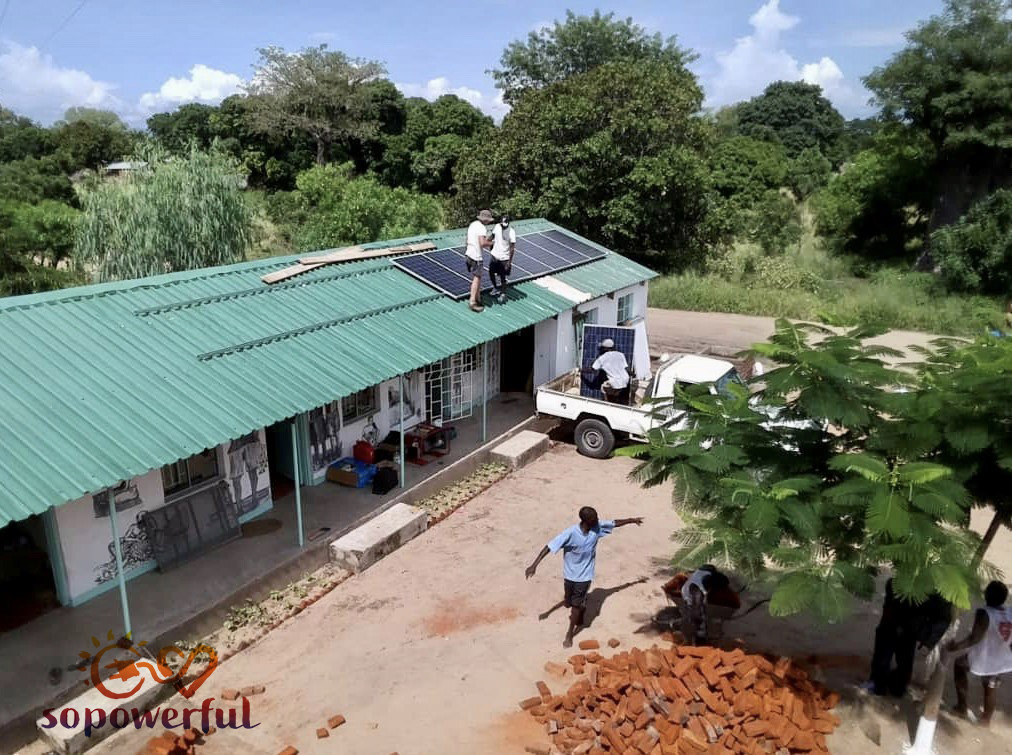
One billion people in the world live every day without electricity, facing very difficult challenges. With Raptech we have decided, for this Christmas 2022, to contribute to an initiative capable of generating a real positive impact on the most disadvantaged people and we have turned our attention to the Sopowerful Foundation.

Sopowerful is a no-profit with the mission of’ solar where it matters most’. The foundation applies photovoltaics where it enables essential elements of life such as health services, education, and access to water. For now it is doing it in Malawi, Tanzania, and Lebanon, where a real difference has already been created for more than 80,000 people today, through photovoltaics.

Sopowerful’s goal is to impact over 500,000 people in 2025, and we’re really happy to be part of and contribute to this journey. If you also want to make a difference, visit https://sopowerful.org/.

We will shortly update you with the first results of the project we have undertaken with Sopowerful, for now we just have to wish you a Merry Christmas with your loved ones!

The world community is currently living in an era of progressive energy crisis. At the same time, as a result of the intensive use of non-renewable energy sources for heating, vehicles, machines, agricultural units and various household appliances, a huge amount of carbon, sulfur and nitrogen oxides is formed in the atmosphere. All this contributes to the increase in the temperature of the earth and the surface of the water, causes environmental pollution, acid rain and also stimulates the intensive melting of ice, the rise in the level of the oceans, the flooding of vast land areas, the emergence of cyclones and hurricanes covering entire continents. Global climate change is forcing individual companies and entire countries to take steps to reduce their CO2 emissions. As a result, renewable energy sources are becoming increasingly popular. Obtaining energy from renewable sources has only recently become a common practice, but it is already gaining popularity at a rapid pace, becoming the preferred source of energy supply for an increasing number of consumers. Thanks to the successful combination of challenging trends and rising demand trends, easily observed in developed and developing countries around the world, solar-wind energy successfully competes with traditional energy. Renewable energy comes from natural processes that are constantly replenished. In its various forms, it comes directly from the sun, wind or heat generated deep inside the Earth. The definition includes electricity and heat generated from solar, wind, ocean, hydroelectric, biomass, geothermal, biofuels and hydrogen derived from renewable resources.

Solar energy is becoming more and more widespread

Renewable energy sources will become the fastest growing segment of global energy over the next 20 years. By 2035, their share in global electricity generation will increase by about one and a half times. Renewable energy is linked to natural phenomena such as sunlight, wind, tides, and geothermal heat, as explained by the International Energy Agency. If we talk about trends, then, firstly, renewable energy sources have practically achieved price-performance parity with traditional ones, both within the framework of centralized energy networks and outside them. Second, the use of solar and wind power plants can help balance the load on the electricity grid. Thirdly, solar-wind energy is strengthening its competitive advantages thanks to the development of new technologies.

Enabling factors

Today there are no longer any obstacles that have slowed down the active introduction of renewable energies for a long time. The reason for this are three key factors: the rapid approach to grid-parity, the possibility of economic and stable integration of energy networks and the development of technological innovations. Generating energy from sunlight and wind was thought to be too expensive a method that could only be applied in a few niche markets. However, now these sources are already ahead of traditional ones in terms of the cost of electricity. Their productivity is also constantly growing. Previous ideas, that the use of renewable energy creates many still unsolved problems with the integration of energy grids have changed. In particular, progress in the integration of RES (Renewable Energy Sources) systems today no longer directly depends on the development of support technologies. On the contrary, innovative developments are being actively used in renewable energy, allowing RES to surpass traditional energy resources in popularity.

The progress of technologies

The deployment of renewable energy can be accelerated by innovative technologies such as automation, artificial intelligence and blockchain, as well as the introduction of advanced materials handling and manufacturing operations. These innovations range from those technologies that optimize energy production and the operation of renewable assets (automation, advanced production technologies), to technologies that contribute to a more efficient use of renewable energy, increase the efficiency of renewable energy on the market (blockchain) and the use of advanced materials for the production of solar panels and wind turbines (advanced materials). All these technologies reinforce both development trends, helping to reduce costs and more effectively integrate renewable energy into the grid. Manufacturers anticipate a growing demand for solar-wind energy and are therefore actively investing in these new technologies. The growing demand for renewable energy is driven by cities, communities, emerging markets and businesses who are constantly looking for affordable, green and reliable sources of energy. Thanks to the trends behind its development, solar-wind energy is now optimally positioned to meet all these requirements.

New frontiers

Recently, the development of solar-wind energy has reached new frontiers. As alternative energy sources achieve price and performance parity with traditional sources around the world, they demonstrate the ability to improve the efficiency of energy networks and strengthen their competitiveness with the help of new technologies, barriers and the obstacles to their implementation are gradually disappearing. Solar and wind energy are already among the cheapest sources of energy in the world and have considerable potential for further development, as trends contributing to this have not yet been fully realised. The cost of renewable energy continues to fall, and the successful integration of renewable energy is well underway, supported by the development of technologies that provide even greater efficiency and empower businesses.

solar panels - www.raptech.it

Solar energy sources are a set of technologies that convert solar energy into electrical or thermal energy.

What are solar panels?

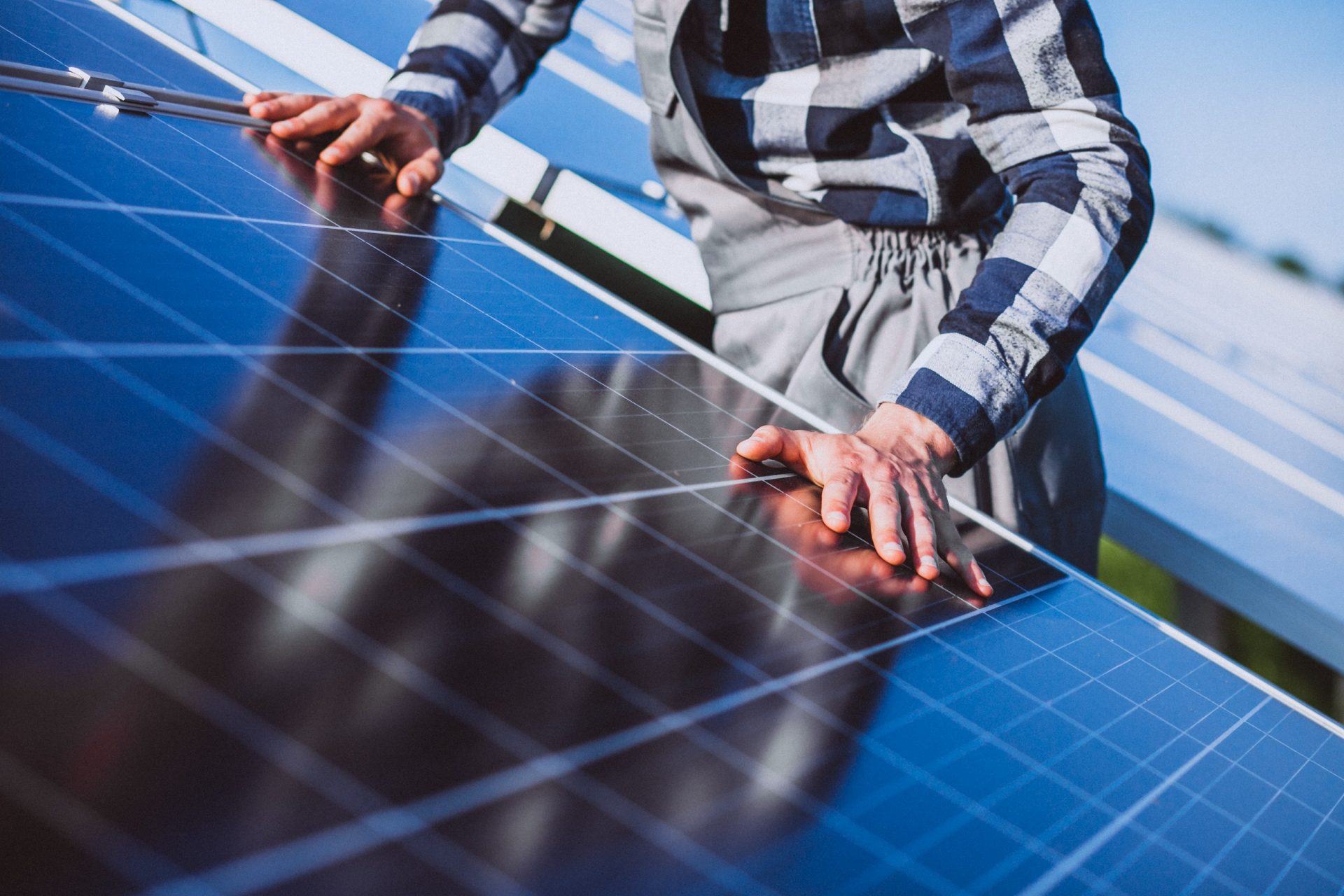
To generate heat and electricity from solar radiation, special equipment known as solar panels is used. According to the principle of work, they are divided into: photovoltaic and thermal collectors.

In the first type, photovoltaic, light and infrared rays are immediately converted into electricity. This is possible thanks to the semiconductor properties of silicon and some chemical compounds. When the light hits a cell of the solar panel, a potential difference is generated and, thanks to the p-n junction, an electric current is created. The individual cells connected in series allow to increase the output voltage. Therefore, they are called solar panels, that is, composed of a number of identical elements.

Solar collectors, on the other hand, have a liquid heat carrier that absorbs infrared radiation, heats up, expands and circulates in a closed system. They can use: water, mineral oils, saline solutions.

The coolant heats the water for heating and domestic or industrial needs, or spins the blades of turbines that generate electricity.

Types of solar panels and their application

A very common and popular type of solar panel is solar panels made from monocrystalline silicon.

They are obtained by casting high purity silicon crystals, in which the molten mass solidifies upon contact with the crystal seed. During the cooling process, the silicon gradually solidifies in the form of a cylindrical casting of a single crystal with a diameter of 13-20 cm, whose length reaches 200 cm. The ingot thus obtained is cut into sheets of 250-300 microns thick. Such elements have a higher efficiency than elements produced by other methods, the efficiency can reach up to 19%, due to the special orientation of the atoms of the single crystal, which contributes to the growth of electron mobility. The silicon is crossed by a grid of metal electrodes. Traditionally, monocrystalline modules are inserted into an aluminum frame and coated with shockproof glass. The color of the single crystal photocells is dark blue or black.

Solar panels are reliable, durable (life span up to 50 years) and easy to install, as they contain no moving parts. Solar panels can be used where conventional power does not work well and there are many sunny days.

Solar panels made with monocrystalline photovoltaic cells are more efficient, but also more expensive per watt. Their efficiency is generally between 14 and 19%.

Typically, the monocrystalline elements have the shape of polygons, which can hardly fill the entire area of the panel without leaving inefficient areas. Consequently, the specific power of the solar module is slightly lower than the specific power of its single cell.

Polycrystalline silicon solar cells

An alternative to monocrystalline silicon is polycrystalline silicon. It has a lower cost. The crystals within it are still aggregated, but have a different shape and orientation. This material, compared to the darker single crystals, has a bright blue color. The improvement of the production process of elements of this type today allows to obtain components whose characteristics are only slightly inferior in electrical performance to a single crystal.

Thin-film solar panels

Thin film technologies make it possible to make a panel that is cheaper in terms of production cost. This circumstance makes the film panels more attractive for the construction of large plants to generate electricity from sunlight, when there are no design limits due to the scarcity of available surface, although the cost of thin film panels is low, they occupy a much larger area (2.5 times) than mono and polycrystalline panels due to lower efficiency. Installation is possible not only on the ground or on the roof, but also on the side surfaces of buildings.

Thin film panels also work quite well with diffuse solar radiation, so the total power generated per year can be greater than traditional crystalline solar panels. Thin film is a much more convenient way to generate energy and can outperform monocrystallines in foggy and cloudy climates or in areas where the air is dusty or rich in other particles.

Thin film panels can be made with amorphous silicon or with cadmium telluride (CdTe).

Solar panels based on CIGS

CIGS is a semiconductor composed of copper, indium, gallium and selenium. This type of solar cells is also made using thin film technology, but compared to cadmium telluride panels it has a higher efficiency, its efficiency reaches 15%.

Potential buyers of solar panels often wonder if one or the other type of photovoltaic modules will be able to provide the necessary power. Here we must understand that the efficiency of solar panels does not directly affect the amount of energy generated by the installation.

The same power of the entire system can be obtained using any type of solar panel, however, more efficient photovoltaic modules will take up less space and require a smaller area to house them. For example, if it takes about 8 square meters to produce one kW of power using monocrystalline silicon, it will instead take about 20 square meters using amorphous silicon panels.

photovoltaic energy - www.raptech.it

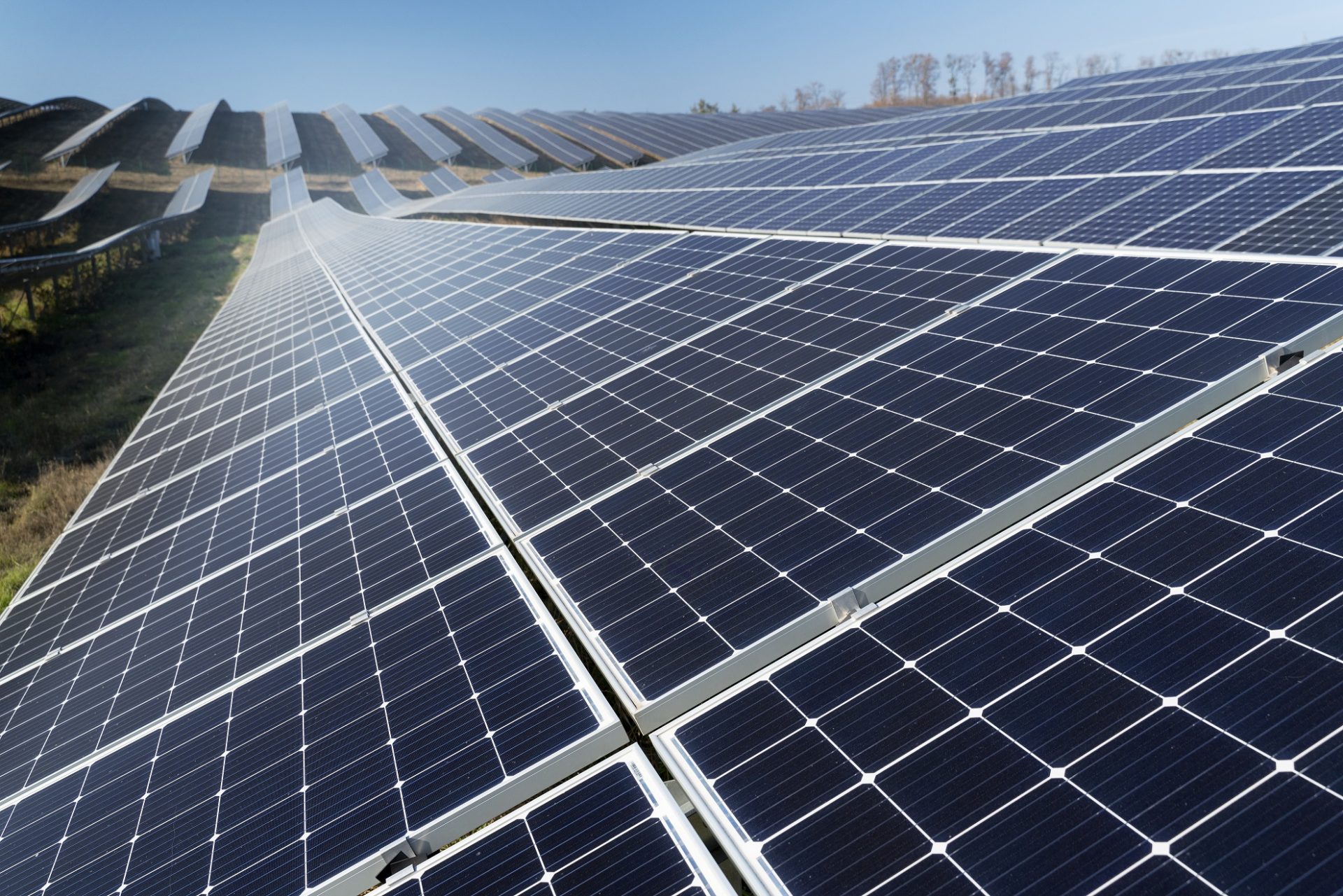
The data shows that solar energy is a promising sector: over the past 10 years, the global capacity of photovoltaic systems has increased more than 17 times. The advantages are obvious: clean energy with virtually zero greenhouse gas emissions, safety for humans and the environment, operational autonomy, independence from energy suppliers and savings.

The sun is an inexhaustible alternative energy source. Our planet receives more energy every hour than humanity uses in a year. But how to convert it? This is what photovoltaic systems are for.

How a solar panel works

Despite the external simplicity of the device, the principle of operation of such an electrical device is quite complicated. It is based on the photoelectric effect, which is obtained using photovoltaic cells. Solar panels collect the rays from our star. They fall on the photovoltaic layer. These cells are produced with two chemically modified layers of silicon. When photons from sunlight reach the surface, these electrons acquire the ability to move, creating a flow that produces an electric current.

Sunlight causes the release of electrons from the two layers. The electrons of the second layer occupy the space left free by the first layer. There is a constant movement of electrons, which leads to the natural formation of voltage on the external circuit. As a result, one of the photovoltaic layers acquires a negative charge, and the second becomes positive.

Next, the inverter converts the current from DC to AC.

Each cell generates a small amount of energy and a panel is generally made up of 36-72 photovoltaic cells. By connecting several panels together, a photovoltaic system is created. Eight to ten panels are enough to power a small house. However, these statistics are obviously influenced by some factors such as the efficiency of the panels, the amount of sunlight in the region and the energy needs of the residence itself.

The process of converting sunlight into electricity begins in the so-called photovoltaic cell. It is important to note that photovoltaic solar panels generate electricity in the form of direct current, which means that the electricity must go through an inverter to convert it to alternating current, which is commonly used in buildings, appliances, sockets and light bulbs.

Solar panels connection

The efficiency and correct functioning of solar panels depend not only on their type, power, but also on the installation and connection. It is necessary to develop the correct scheme for connecting all elements of the power plant and correctly select the place for the installation of solar panels.

All panels must then be connected in parallel-series. This type of connection ensures maximum efficiency of the equipment.

green jobs - www.raptech.it

The world is witnessing a huge increase in the number of jobs in the renewable energy sector. But much more jobs can be created by working consistently and steadily for the energy transition. Never before has the significance of such a leap been clearer than at this current turning point. While the world still suffers from the damage caused by the COVID-19 pandemic, humanity is reminded almost every day of what the future holds if we don’t tackle Climate Change.

Green Jobs in growth

A new report from the International Labor Organization confirms the growth in employment in the renewable energy sector despite the crisis. The development of various forms of renewable energy around the world created 700,000 jobs last year, despite “the ongoing effects of Covid-19 and the growing energy crisis,” announced the International Renewable Energy Agency (IRENA).

Overall, the number of jobs in the global renewable energy sector (solar, wind, hydro, biofuels, biogas, geothermal) reached 12.7 million in 2021, up from 7.28 million ten years ago (2012) and to 12 million in 2020, two thirds of which are in Asia.

The main growing sector is photovoltaics, which employs approximately 4.3 million people worldwide. Of this total, China accounted for 40% of the new solar projects, followed by the United States, India, Brazil and Germany. Almost all (96%) semiconductor (wafer) manufacturers are still based in China, where they enjoy significant government support, Irena notes.

Last year, according to a report prepared in collaboration with the International Labor Organization (ILO), they increased their global power generation capacity by 93 GW.

Europe and the rest of the world

Europe today accounts for about 40% of the world’s wind infrastructure and is the world’s leading energy exporter. Africa’s role remains limited, but the report notes an increase in decentralized job opportunities in renewable energy.

Mexico is the largest supplier of wind turbine blades. Brazil continues to lead the way in biofuel employment and also generates many jobs in wind and solar photovoltaics. The United States is beginning to build a national industrial base for the promising offshore wind energy sector.

The report points out that renewable energy development requires support in the form of comprehensive policy packages, including employee development and growth. It is training that will make jobs worthy, high quality, well paid and diversified, and will also contribute to a just and much needed energy transition.

Growth continues

Irena predicts that the number of employees in the renewable energy sector will continue to grow and reach 38.2 million by 2030 with increased investments in energy efficiency, electric vehicles and hydrogen. In its scenario, it envisages a further zeroing of CO2 emissions with the decarbonisation of transport, industries and electricity generation.