Blog in English

impianto fotovoltaico - Raptech

For a decade, European photovoltaics has done one thing: grow. Each year outperforms the previous, with every forecast consistently surpassed by actual data. In 2025, this trajectory was interrupted.

According to SolarPower Europe’s EU Solar Market Outlook 2025–2030, the European market recorded its first annual contraction in the last ten years in 2025, with 65.1 GW installed—a 0.7% reduction compared to 2024. This isn’t a dramatic figure in itself. It’s a sign of something structural.


Too much sun at the wrong hours

The problem is not that too little solar capacity is being installed. The problem is that the solar already installed is becoming worth less and less during the hours when it produces the most.

The report documents a phenomenon that is rapidly intensifying: the so-called cannibalization effect. When abundant solar generation is concentrated in the middle hours of the day, while demand remains low, wholesale prices collapse — sometimes to zero or even into negative territory. The result is that the price captured by solar declines structurally compared to the average market price.

The data speaks clearly. Between January and September 2025, the average capture rate fell to 58% in Germany and 52% in Spain, compared to 67% and 63% the previous year. The sharpest decline occurred between April and May: in Germany, the capture rate dropped from over 50% in March to 33% in May; in Spain, from 49% to 18% over the same period. According to the EU Battery Storage Market Review 2025 report, the number of negative-price hours in Europe reached a new all-time high in 2025, accounting for 3.4% of total time — around 310 hours overall, nearly two consecutive weeks.

These are not abstract figures. For a utility-scale plant with a market-indexed PPA, a 52% capture rate means that the price actually earned is roughly half of the average hourly market price for the year. The gap between these two figures is the exact measure of how much value is being eroded every spring.


The market that expected not to have to deal with flexibility

For years, photovoltaics thrived in a system designed for programmable generation. Grids were sized for gas-fired power plants, not for dozens of GW generating simultaneously at midday. The result is that the more solar enters the system without the system adapting—storage, demand response, grid digitalization—the more the value of each new solar kWh compresses.

SolarPower Europe describes this dynamic as the key issue for the next five years. The median scenario of the outlook foresees further declines in 2026 and 2027, followed by a slow recovery that would bring annual installations back to around 67 GW by 2030. In the most likely scenario, Europe will miss the target of 750 GW cumulative by 2030, stopping at 718 GW—32 GW short of the target. Only the high scenario, which requires a decisive acceleration in storage and flexibility, is compatible with European targets.


Italy bucks the trend in auctions, but with the same structural constraints

n this context, Italy exhibits a unique dynamic. In 2025, it lost third place in the European rankings for annual installations, overtaken by France, with 5.2 GW installed compared to 6.7 GW in France. The decline is concentrated in the residential and commercial rooftop segment, penalized by the expiration of the Superbonus. The utility-scale segment, however, shows opposite signs: thanks to the FER X Transitorio mechanism, Italy awarded a record volume of 10.8 GW in auctions in 2025—the highest figure ever recorded in Europe in a single year by a single country, according to the Auctions and Corporate PPAs Market Review 2025 report—and aims to reach a cumulative 80 GW by 2030.

But auctions assign capacity, not put it on the grid. Structural bottlenecks—grid saturation, authorization times, local congestion—remain the factors that determine the gap between pipeline and actual installed capacity.


What changes for those who manage plants today

This scenario redefines the priorities of those who own or manage existing photovoltaic assets, not just those who develop new ones.

In an expansive market, the quality of management was a secondary factor: the plant produced, the price was high, the revenue arrived. In a market where the capture rate is structurally compressed, where the price varies hourly and area by area, where PPAs must be compared to actual market trends, the ability to precisely measure what is happening to the plant—and when—becomes a direct economic lever.

The SolarPower Europe report summarizes this in a passage worth keeping in mind: flexibility is not just a question of physical storage. It is the ability of the system—and those who manage it—to know exactly when and how much the asset is producing, and to compare it with the market context in which that production is valued.

European photovoltaics is not in crisis. It is growing in maturity. And maturity requires tools other than enthusiasm.


Sources: SolarPower Europe, EU Solar Market Outlook 2025–2030; EU Battery Storage Market Review 2025; Auctions and Corporate PPAs Market Review 2025.

The energy transition is no longer just a political objective or a long-term perspective. It is now a rapidly accelerating industrial process, made up of investments, technologies, and business models that are reshaping the global energy system.

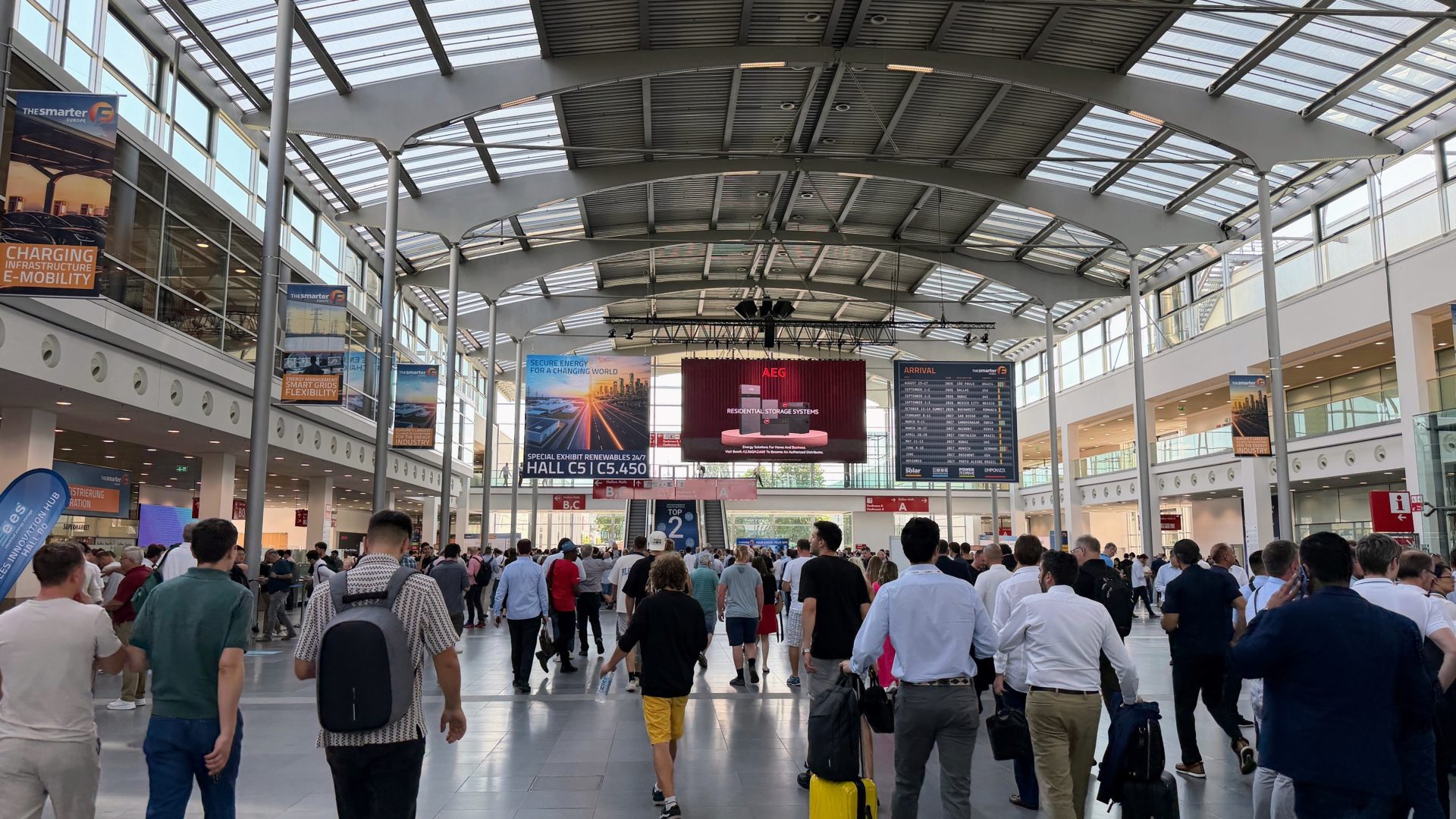
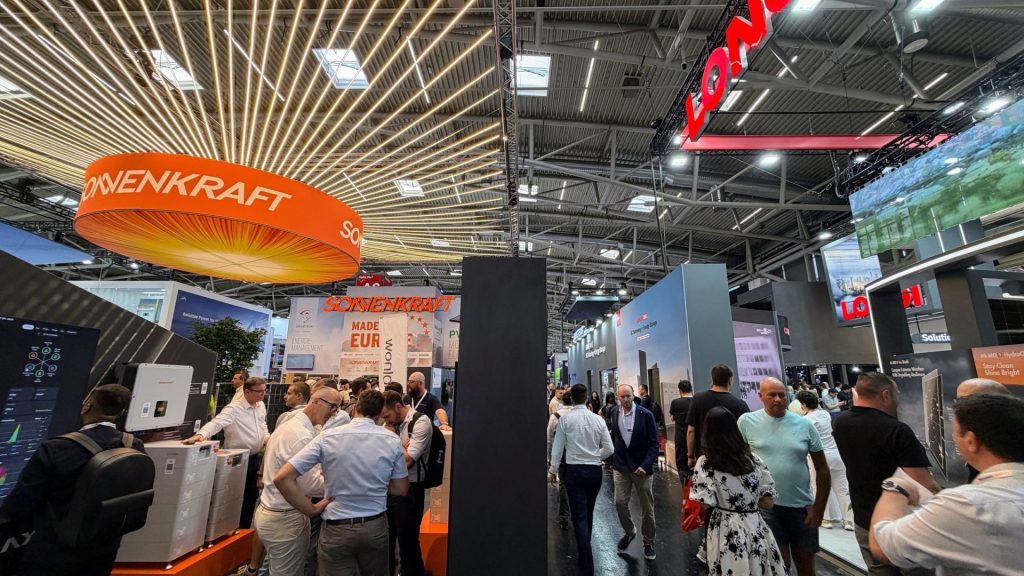
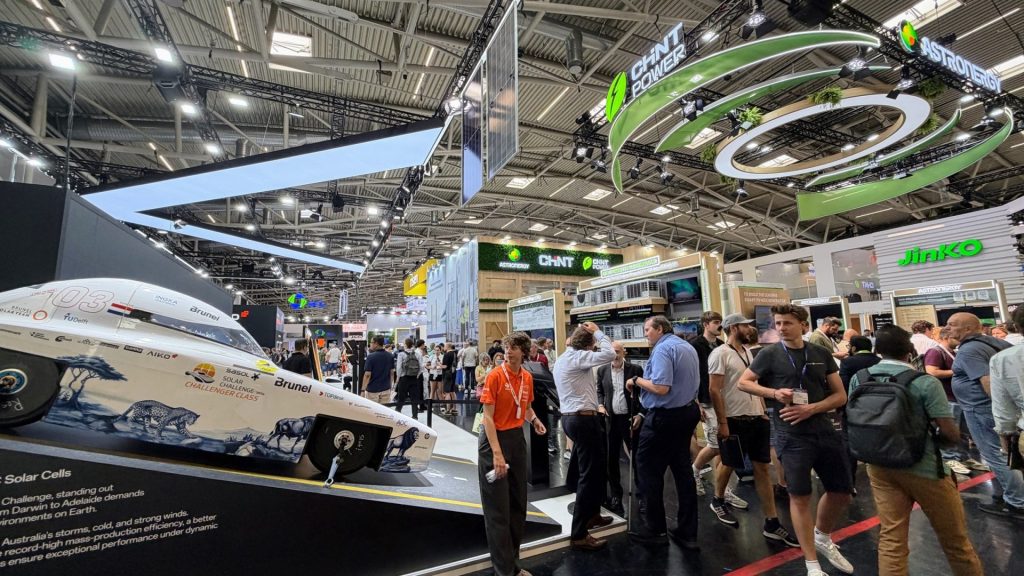
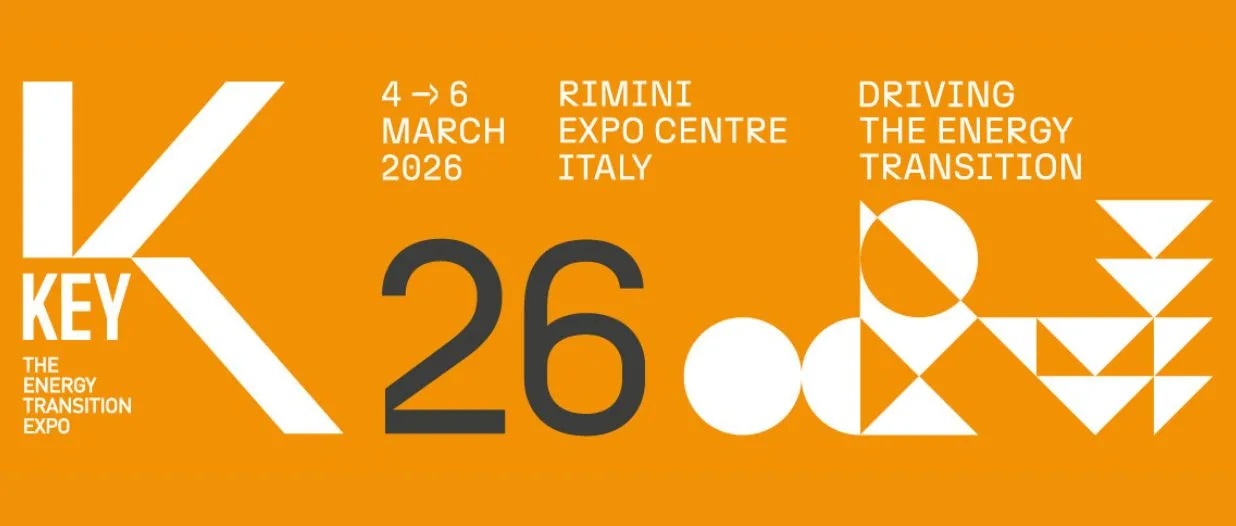
Concrete proof of this comes from KEY – The Energy Transition Expo, the event organized by Italian Exhibition Group at Fiera di Rimini, which once again confirmed its role as a European hub for renewable energy and energy innovation in its 2026 edition.

From March 4 to 6, 2026, Rimini became a meeting point for companies, institutions, investors, and energy professionals for three days. And the event’s numbers clearly reflect the energy of the sector: total attendance increased by 10% compared to 2025, and international participation increased by 9%, a sign of increasingly global interest in decarbonization technologies.

With this goal in mind, the Raptech team visited KEY – The Energy Transition Expo 2026, as the trade show represents an important annual opportunity for operators, developers, technology manufacturers, and professionals in the energy sector.

The visit was a valuable opportunity for direct discussions with customers, partners, and industry professionals, allowing them to strengthen relationships, share experiences, and discuss the market’s key challenges and opportunities.

This success consolidates KEY as one of the leading European events dedicated to the energy transition.


An international energy ecosystem

The 2026 edition confirmed the fair’s international scope. The 24 pavilions of the Rimini exhibition center, spanning approximately 125,000 square meters of exhibition space, hosted over 1,000 exhibiting brands, including approximately 320 international brands.

The event also attracted 530 hosted buyers and delegations from 59 countries, strengthening the fair’s role as a global platform for networking and developing industrial partnerships.

It’s not just about numbers: the geographical diversity of the participants demonstrates how the energy transition has become a shared global challenge. European, Asian, and American companies brought to Rimini technologies, solutions, and projects spanning the entire spectrum of renewables and energy infrastructure.

In parallel, the event hosted approximately 160 events, including conferences, workshops, and technical meetings, transforming the fair into a true platform for discussion between industry, research, and institutions.


The leading technologies: from solar to hydrogen

KEY has been organized around several technological pillars of the energy transition for years, and the 2026 edition confirmed this structure.

The most represented sectors include:

  • photovoltaic solar energy
  • wind energy
  • hydrogen and power-to-gas
  • energy efficiency
  • energy storage systems
  • electric mobility
  • Sustainable Cities and sustainable urban infrastructure

Photovoltaics remains one of the most dynamic sectors, driven by the continuous reduction in costs and increasing module efficiency. Many companies presented new integrated solutions for industrial plants, large solar farms, and residential systems.

Alongside solar, there is growing attention towards energy storage technologies, which are essential for stabilizing electricity grids increasingly powered by non-programmable renewable sources.

Another key theme was green hydrogen, considered one of the strategic levers for decarbonizing sectors that are difficult to electrify, such as heavy industry and maritime transport.


The key role of energy efficiency

While renewables are at the heart of the energy transition, energy efficiency remains its primary driver.

Many meetings and roundtables have highlighted how optimizing energy consumption is the most immediate solution to reducing emissions and costs. Digital technologies, sensors, energy management platforms, and monitoring systems are becoming increasingly widespread tools in businesses.

In this scenario, the integration of energy, digital, and industry is one of the most evident trends: the future of energy lies in smart grids, data management systems, and digital platforms for optimizing consumption.


PPAs and new financing models

Another key theme that emerged during KEY concerns Power Purchase Agreements (PPAs), long-term contracts for the purchase of renewable energy between producers and energy-intensive companies.

These instruments are becoming increasingly important for two reasons:

  1. To guarantee stable energy prices for companies
  2. To make new renewable energy plants eligible for financing

The growing interest in PPAs is also linked to the volatility of energy markets in recent years. For many industrial companies, securing long-term energy supplies from renewable sources means reducing economic risk and improving their sustainability profile.


Energy and geopolitics

The 2026 edition of KEY took place in an international context still marked by geopolitical tensions and a constantly evolving energy market.

Precisely for this reason, the topic of energy security was central to the political and industrial debate. During the fair’s inauguration, the Minister of the Environment and Energy Security emphasized the importance of accelerating the development of renewables not only for environmental but also strategic reasons.

Reducing dependence on imported fossil fuels means increasing the energy autonomy of European countries and making energy systems more resilient.

The role of cities in the energy transition

Another increasingly relevant area is that dedicated to Sustainable Cities. Decarbonization concerns not only energy production, but also how it is used in urban spaces. Among the topics addressed:

  • electrification of transportation;
  • charging infrastructure for electric vehicles;
  • smart urban energy networks;
  • integration between buildings and energy production.

Cities are responsible for a significant portion of global energy consumption and represent one of the main innovation laboratories for the energy transition.


A fast-growing market

KEY’s success reflects a broader trend: the global renewable energy market is experiencing unprecedented expansion.

According to many industry analyses, investments in energy transition technologies will continue to grow in the coming years, driven by three main factors:

  1. increasingly stringent climate targets
  2. decreasing costs of renewable technologies
  3. growing business demand for sustainable energy

In this context, events like KEY are becoming increasingly important as meeting places for industry, institutions, and innovation.

KEY as a platform for the future of energy

From the growing attendance to the variety of technologies presented, the 2026 edition of KEY confirms that the energy transition is now a fully mature industrial process.

The fair is not only a technological showcase, but also a privileged observatory on the transformations underway in the global energy system.

From renewables to hydrogen, from energy efficiency to smart cities, the topics addressed in Rimini outline a future in which energy, digital, and sustainability will be increasingly interconnected.

The next event is already scheduled: the next edition of KEY will return to Rimini in March 2027, with the aim of continuing to bring together businesses, institutions, and innovators to accelerate the transition to a more sustainable energy system.

And if this year’s numbers are a reliable indicator, the transformation of the energy sector is destined to proceed at an increasingly rapid pace.

Solar PV: the global landscape in 2026

After years of exponential growth, the global photovoltaic market is entering a phase of consolidation and transformation. According to industry analyses, the growth of annual installations is slowing compared to the past decade, signaling a shift from quantitative expansion to a qualitative selection of projects and technologies.

Key global dynamics for 2026:

  • Slowdown in installation growth rates in some major markets, due to changes in incentive policies and competitive auctions (e.g., China and the United States).
  • Reduction of production overcapacity and increase in module prices as a result of raw material cost pressures and trade policies.
  • However, solar PV remains the key technology for the energy transition, with steady growth prospects at least until 2030 and beyond.

The global market is therefore in a phase of structural maturation: no longer driven solely by volume growth, but increasingly focused on plant quality, integration with storage systems and smart energy management.

Solar PV in Europe in 2026

In Europe, photovoltaic energy continues to play a central role in the decarbonization of the electricity system. Installed solar capacity in the European Union is expected to reach significant levels in 2026, with cumulative capacity forecasts showing strong growth compared to 2025.

Nevertheless, the European market is showing signs of stabilization and selectivity: while installation rates are no longer reaching the record levels of previous years, opportunities are shifting toward:

Integration with storage and demand management: residential PV systems increasingly incorporate batteries and smart management (smart PV + storage), often connected to electric vehicles.

Long-term supply contracts (PPAs) and corporate markets: a growing number of European companies are signing PPAs to secure renewable energy at stable long-term prices, driving commercial-scale projects.

From a regulatory perspective, the European Union continues to advance plans linked to the Green Deal and REPowerEU strategies, supporting renewable expansion and promoting bureaucratic simplification for photovoltaic plant development.

The situation in Italy: growth and new challenges

In Italy, 2025 closed with more than 43.5 GW of installed photovoltaic capacity, including approximately 6.44 GW of new annual connections.

However, compared to the large figures of previous years, this represents a slowdown (-5% YoY), mainly due to contraction in residential and commercial installations.

Key aspects of the Italian market in 2026:

  • Growth of large utility-scale plants: while small installations are slowing down, large-scale projects are recording significant increases, reflecting the impact of FER-X auctions and previously granted authorizations.
  • Expansion of agrivoltaics: integrated projects combining energy production with agricultural activities are becoming increasingly relevant, supported by dedicated tenders and incentives (see also the Agrisolar Park Call 2026).
  • Incentives and tax deductions for self-consumption: measures supporting residential and corporate photovoltaic systems (tax bonuses and deductions) will continue to sustain the market.

Despite territorial slowdowns, Italy remains one of the most important markets in Europe thanks to favorable solar radiation, growing renewable energy demand and ongoing regulatory efforts.

Technological trends in solar PV in 2026

The sector is not driven only by installed capacity: 2026 is expected to be a year of strong technological innovation.

1. Improvements in photovoltaic modules

The most evident progress concerns:

  • High-efficiency modules: silicon modules exceeding 23% efficiency, bifacial panels and TOPCon/HJT technologies to maximize energy output.
  • Aesthetics and design: increasingly widespread “full black” panels for architectural integration in urban and residential contexts.
  • Price stability and supply chain: after years of declining prices, 2026 is expected to bring stabilization or a slight increase in module prices in response to global market dynamics.

2. Advanced PV: perovskites and tandem technologies

Among the most anticipated innovations:

  • Perovskite-silicon tandem technologies: capable of surpassing the efficiency limits of traditional modules, with potential yields above 30%, progressively approaching industrial-scale commercialization during 2026.
  • Reduction of critical materials: research focused on reducing the use of costly materials such as silver, introducing more sustainable alternatives.

These innovations represent a potential technological leap that could redefine panel efficiency and PV competitiveness across residential, commercial and utility segments.

3. Intelligent systems and energy integration

The European market is seeing growing demand for “smart” photovoltaic systems, including:

  • Integrated energy storage solutions (batteries)
  • Dynamic consumption management through IoT and AI systems
  • Integration with electric vehicles and smart grids

This evolution enables maximization of self-consumption and more efficient synchronization between production and demand, particularly in residential and commercial contexts.

Outlook for Italy and Europe in 2026 and beyond

Looking ahead to 2026 and the following years, solar PV in Italy and Europe is entering a phase of full industrial maturity, where growth will no longer be driven exclusively by installation increases, but by project quality, technological integration and the energy system’s capacity to absorb and manage renewable production.

At the European level, community policies will continue to support solar energy as a pillar of the energy transition. The regulatory framework outlined by the Green Deal and the Fit for 55 and REPowerEU packages pushes toward structural decarbonization, with increasingly stringent emission targets and a progressive reduction of dependence on fossil fuels. In this context, solar PV is no longer merely an incentivized technology, but an economically competitive solution capable of attracting private investment and institutional capital.

However, the real test will be grid management. As the share of solar energy in the energy mix increases, challenges related to grid flexibility, balancing production and consumption, and the need for adequate infrastructure will become more evident. For this reason, in the coming years there will be growing importance of:

  • large-scale and distributed storage systems,
  • smart grids,
  • demand response tools and digital energy flow management.

In Italy, these dynamics will be even more pronounced. The country presents particularly favorable conditions for photovoltaics – high solar irradiation, wide availability of industrial and agricultural surfaces, strong energy demand – but must address structural challenges such as authorization complexity and slow bureaucratic procedures. In the medium term, the ability to simplify processes, accelerate grid connections and ensure regulatory predictability will be decisive in sustaining sector growth.

At the same time, alternative development models will strengthen, such as:

  • large utility-scale plants, often supported by long-term PPAs,
  • advanced agrivoltaics, combining energy production with agricultural activities,
  • collective self-consumption and energy communities, destined to become key elements especially in urban and industrial contexts.

In the post-2026 period, solar PV will increasingly integrate with other sectors: electric mobility, sustainable construction, energy-intensive industry and storage systems. Solar technology will definitively cease to be perceived as an “add-on” solution and will become a core energy infrastructure, central to economic competitiveness and European energy security.

2026 therefore appears as a turning point in the photovoltaic pathway: less quantitative boom, more quality, innovation and sustainability. The European and Italian energy transition increasingly relies on a mix of public policies, private market forces, advanced technologies and smart energy management approaches.

In view of the event KEY – The Energy Transition Expo in Rimini, these trends represent a detailed snapshot of the sector: a mature, challenging yet opportunity-rich market, featuring cutting-edge technologies and an increasingly central role in the European energy system.

interoperabilità - raptech

In recent years, the photovoltaic sector has experienced rapid growth, driven by technological innovation, reduced component costs, and an ever-increasing focus on energy sustainability. However, with the increasing complexity of systems and the variety of available solutions, a fundamental challenge emerges: the interoperability of technologies used throughout the entire life cycle of a photovoltaic system.

Interoperability means addressing the ability of different systems, devices, and software to communicate effectively with each other, sharing data and information without barriers. In the photovoltaic sector, this aspect is now crucial for improving energy performance, optimizing work processes, and ensuring more efficient and sustainable system management.


What is interoperability in photovoltaics

In the context of photovoltaic systems, interoperability concerns the integration of heterogeneous technologies: solar modules, inverters, energy storage systems, sensors, monitoring platforms, design software, and maintenance tools. These elements often come from different manufacturers and use different communication protocols.

An interoperable system allows all these components to “speak the same language,” or at least to correctly translate the information they exchange. This makes it possible to collect data in real time, analyze it in a centralized way, and turn it into faster and more effective operational decisions.


Why interoperability has become strategic

Interoperability has become strategic in the photovoltaic sector because the technological, regulatory, and economic context has changed profoundly compared to the past. Today, a system is no longer a simple set of panels and inverters, but a complex, digital, and connected system that must communicate with multiple technologies and players.

  1. Increasing system complexity

Modern photovoltaic systems integrate an ever-growing number of components:

  • energy storage systems,
  • electric vehicle charging stations,
  • energy management systems (EMS),
  • IoT sensors,
  • monitoring and analytics software.

These elements often come from different manufacturers and rely on different technologies. Without interoperability, each system remains isolated, making coordinated management difficult. Interoperability therefore becomes strategic for managing complexity and turning it into operational value.

  1. Data centrality in the energy sector

Photovoltaics is now a data-driven industry. Each plant produces vast amounts of data: production, consumption, component status, environmental conditions, and historical performance.

If systems are not interoperable:

  • data remains fragmented,
  • is not comparable,
  • does not support rapid decision-making.

However, when technologies communicate with each other, data becomes a strategic resource for optimizing production, predicting problems, and improving overall plant efficiency.


  1. Need to maximize performance and ROI

With reduced incentives and increased pressure on margins, extracting maximum value from each plant is now crucial. Interoperability enables:

  • more precise performance monitoring,
  • rapid identification of inefficiencies,
  • targeted and timely interventions.

This translates into increased production, reduced losses, and a better return on investment for owners and operators.

  1. Operational efficiency and cost reduction

From an operational perspective, a lack of interoperability leads to:

  • the use of multiple separate platforms,
  • manual processes,
  • data duplication,
  • increased probability of error.

An interoperable ecosystem simplifies the work of designers, installers, and maintenance personnel, reducing management time and operating costs. This is particularly strategic for those managing plant portfolios or operating on a large scale.

  1. Scalability and adaptation over time

Photovoltaic systems are not static: they are expanded, updated, and reconfigured. Interoperability is strategic because it allows you to:

  • add new technologies without redesigning everything,
  • integrate future innovations,
  • avoid lock-in to a single supplier.

In a rapidly evolving sector, technological flexibility is a crucial competitive advantage.

  1. Integration with smart grids and new energy models

The future of energy lies in smart grids, energy communities, and collective self-consumption. To participate in these models, plants must be able to exchange data continuously and standardized with networks, platforms, and other plants.

Interoperability is therefore not just a technical factor, but an enabling condition for the evolution of the energy system as a whole.


Hardware and Software integration

One of the areas where interoperability shows its greatest potential is the integration between hardware components and software solutions. Inverters, storage systems, and smart switchboards can be connected to advanced monitoring platforms that collect and interpret data from the field.

Thanks to standard communication protocols and open APIs, it is possible to create flexible technology ecosystems, in which the operator is not tied to a single supplier. This approach fosters innovation because it allows individual components to be updated or replaced without having to redesign the entire system.


Improving system performance

An interoperable photovoltaic system is a more efficient system. Cross-analysis of data allows for the rapid identification of performance drops, abnormal shading, inverter inefficiencies, or storage issues.

For example, by integrating weather data with production data, it is possible to assess whether the system’s performance is aligned with actual environmental conditions. If not, the system can automatically report an anomaly, allowing for timely intervention before the problem significantly impacts energy production.


Benefits for operators

Interoperability not only improves system performance, but also the daily work of photovoltaic industry professionals. Designers, installers, maintenance technicians, and managers can access centralized and up-to-date information, reducing the need to operate on multiple separate platforms.

This translates into:

  • Greater speed in the design and configuration phases.
  • Reduction of errors due to incomplete or misaligned data.
  • More efficient maintenance planning.
  • Improved collaboration between different teams and departments.

Standardizing information flows also allows for clearer and more replicable operating procedures, improving the overall quality of the service offered.


Predictive maintenance and cost reduction

Predictive maintenance represents one of the most tangible and strategic benefits of technology interoperability in the photovoltaic sector. Unlike traditional maintenance, which is based on scheduled interventions or reactive actions after a failure occurs, the predictive approach relies on the continuous analysis of data generated by the system.

In a non-interoperable system, problems are often detected only when they become clearly visible, for example through a significant drop in production or an inverter shutdown. This leads to:

  • loss of energy production,
  • urgent and costly interventions,
  • unplanned downtime.

Predictive maintenance, on the other hand, makes it possible to anticipate failures by analyzing weak signals and abnormal performance variations before they turn into critical issues.

The role of Interoperability

Interoperability is the enabling factor for predictive maintenance. Only when inverters, modules, storage systems, sensors, and software platforms communicate with each other is it possible to:

  • correlate data from different sources,
  • compare actual and expected performance,
  • identify patterns of degradation or malfunction.

For example, cross-referencing production, temperature, irradiance, and performance history data allows us to understand whether a performance loss is related to environmental conditions or an impending technical problem.


Targeted and timely interventions

Thanks to predictive maintenance, interventions are no longer generic or “calendar-based” preventive, but targeted and based on real data. This means:

  • intervening only when truly necessary,
  • replacing components before they fail,
  • planning activities without urgency.

The result is smarter management of technical and human resources, with a direct impact on operating costs.


Scalability and the future of photovoltaic systems

Another key aspect of interoperability is scalability. Photovoltaic systems, especially in industrial and commercial settings, are often subject to expansion and upgrades over time. Interoperable systems allow the addition of new modules, storage systems, or software features without interrupting the operation of the existing system.

This flexibility is essential for adapting to ever-evolving energy scenarios, such as integration with smart grids, energy communities, and advanced consumption management systems.


The Role of standards and open platforms

To ensure high interoperability, the photovoltaic industry is increasingly focusing on shared standards and open platforms. Common communication protocols and modular architectures promote compatibility between different solutions and reduce the risk of technological lock-in.

Companies that invest in open and interoperable solutions position themselves as reliable and forward-looking partners, capable of offering long-term value to their customers.

The interoperability of photovoltaic technologies is no longer an option, but a strategic necessity. In a context where efficiency, performance, and sustainability are key factors, the ability to integrate systems and data represents a decisive competitive advantage.

Adopting interoperable solutions means improving plant performance, simplifying operators’ work, and preparing for future challenges in the energy sector. For photovoltaic companies, investing in interoperability today means building smarter, more flexible systems that are ready to evolve tomorrow.

Today we meet Stefano Cruccu, Founder & Director of the Sopowerful Foundation.


You recently opened donations to private individuals: what prompted you to take this step, and what impact do you expect from more direct public involvement?


Yes, we just launched our ongoing crowdfunding campaign, called “Sunrays.” Several people had asked us if it was possible to support our projects in a more ongoing manner, rather than making occasional donations.

We believe there’s great potential: many people enjoy donating to support concrete projects where they see a tangible impact, but we’re often discouraged by a lack of transparency or by the fact that a significant portion of the donation ends up covering overhead costs. In this case, we guarantee that 100% of the donation will be used to implement a photovoltaic system “where it matters most,” and you can already participate for as little as 50 cents per day.


Some of the most significant projects have been completed in Tanzania. Can you tell us what you’ve done on the ground and what specific problems you’ve helped solve?


Aside from Malawi, we now have six projects underway in Tanzania. Our photovoltaic systems enable improved healthcare services, as well as improved educational processes in schools. The lack of power, or reliance on a weak grid, seriously limits the quality of these services, both of which are essential for development and improved quality of life.


The Sopowerful local team has grown significantly: how is it structured today and what role does it play in the day-to-day management of projects?


Our colleagues in Malawi and Tanzania play a key role, both in project selection and implementation, as well as during the operational phase and impact monitoring. Having reliable local people, a deep understanding of the culture and challenges, and the ability to communicate in the local language are essential and not a given. I must say that I am very proud to work with such a diverse and multicultural team, whose experience and skills grow every day.


Looking at the communities involved, what are the most tangible changes you’ve observed in people’s lives thanks to access to energy and technology?


If we talk about projects where photovoltaics enable irrigation, on average, food insecurity has decreased by 30%, resulting in communities being classified as “moderately food insecure” rather than “severely food insecure.” For projects where photovoltaics power electric pumps, we see significantly fewer illnesses caused by polluted water and, for example, a distance to the tap that is on average 80% shorter than before the project. Some people save countless hours a day, not having to make superhuman efforts to get it. Where photovoltaics enable better education, for example, we see almost 30% more students passing their exams. Where we implement solar systems for clinics and hospitals, it truly changes the reality for so many people: from someone who comes in late at night and finds their medications requiring refrigeration (“cold chain”), to the person undergoing life-saving surgery who is now no longer impacted by the power outage.


Looking at the communities involved, what are the most tangible changes you’ve observed in people’s lives thanks to access to energy and technology?


If we talk about projects where photovoltaics enable irrigation, on average, food insecurity has decreased by 30%, resulting in communities being classified as “moderately food insecure” rather than “severely food insecure.” For projects where photovoltaics power electric pumps, we see significantly fewer illnesses caused by polluted water and, for example, a distance to the tap that is on average 80% shorter than before the project. Some people save countless hours a day, not having to make superhuman efforts to get it. Where photovoltaics enable better education, for example, we see almost 30% more students passing their exams. Where we implement solar systems for clinics and hospitals, it truly changes the reality for so many people: from someone who comes in late at night and finds their medications requiring refrigeration (“cold chain”), to the person undergoing life-saving surgery who is now no longer impacted by the power outage.


street art
Over the past twenty years, street art has gone from being perceived as an act of rebellion to a fully-fledged art form, recognized, studied, and promoted by public authorities. Murals, installations, stencils, and visual interventions have transformed portions of cities, redefining neighborhood identities, stimulating social reflection, and creating new meeting spaces. But beyond its aesthetic and cultural value, street art plays an increasingly important role in urban ecology and the well-being of citizens. Its impact, in fact, is not limited to the symbolic or creative sphere: the presence of street art can influence the perception of safety, social inclusion, the livability of public spaces, and even economic dynamics related to tourism or regeneration. In an era when cities face complex challenges—densification, pollution, loss of identity, social alienation—street art emerges as an accessible and democratic tool for regenerating and “repairing” what the modern city risks consuming.

A different lens on the city

Street art was born as a form of immediate, direct communication, immersed in the environment. Unlike museum works, which exist in a dedicated space, murals are an integral part of the urban fabric: they interact with the street, with traffic, and with the people who pass by that wall every day.

This direct connection to everyday life has a significant consequence: street art changes the perception of places. Gray, anonymous, or degraded areas can be reborn thanks to a striking work, capable of giving character and meaning to otherwise insignificant architecture. It’s not just about beautifying: it’s about restoring an identity to forgotten parts of the city, creating an emotional connection between citizens and the spaces they inhabit.


Urban regeneration and quality of public spaces


Many street art interventions are now being incorporated into urban regeneration projects. This is because street art has the power to trigger transformation processes far beyond mere aesthetic renewal.

  1. Reduction of perceived degradation

Studies on “Broken Window Theory” demonstrate that visual degradation—dirty walls, abandoned spaces, vandalism—increases the perception of insecurity. A large, well-maintained mural completely changes this dynamic: it communicates presence, care, and planning.

Where there is care, vandalism decreases. Where there is beauty, citizens tend to respect the space more.


  1. Enhancement of otherwise unused spaces

Many cities are exploiting blank walls, bridges, underpasses, and abandoned industrial buildings to transform them into “urban canvases.” This technical choice also has significant environmental value: reclaiming existing surfaces avoids the use of new land and improves the appearance of areas often perceived as architectural barriers or unsafe passageways.


  1. Stimulating social development

Contemporary street art interventions often involve schools, associations, and neighborhood networks. This co-creation process fosters a sense of belonging, strengthens social cohesion, and creates community. A city that recognizes itself in the art it produces is a more vibrant, participatory, and resilient city.


A psychological impact too


Street art isn’t just color: it’s experience. Walking along a path decorated with murals, suddenly encountering a work that tells a neighborhood story or prompts reflection—all of this generates emotion, breaks the routine, and stimulates the imagination.

  1. Reducing urban stress

Color has a powerful psychological effect. Walls painted in warm hues, harmonious figures, and natural or abstract elements can help reduce daily cognitive load, making walking or waiting at a traffic light less overwhelming.

It’s no coincidence that more and more architects and urban planners are talking about “neuro-urbanism”: the idea that the way we build cities directly influences our mental health.


  1. Perception of safety

A well-maintained and visually interesting space increases the perception of safety without the need for invasive interventions such as barriers or constant surveillance. Street art—especially when placed on pedestrian walkways, otherwise isolated streets, or underpasses—can make spaces more welcoming and popular.


  1. Inclusion and Representation

Many contemporary murals address social issues: gender equality, multiculturalism, the environment, and historical memory. The presence of inclusive representations helps many communities, often overlooked by institutional discourse, feel seen.


Street art and urban economy


Beyond the social aspects, street art also has documented economic benefits:

  • Increased tourist appeal: many cities—from Berlin to Lisbon, from Bristol to Melbourne—have become veritable open-air museums. Guided tours, exhibitions, and festivals are springing up.
  • Increased real estate value: neighborhoods regenerated through public art often attract greater residential and commercial interest.
  • Opportunities for young artists and creatives: festivals, public tenders, and collaborative projects generate jobs and professionalism.

Street art is often one of the ingredients in “placemaking” processes: creating places that have meaning, generate experiences, and attract residents and visitors.


When street art meets sustainability


The combination of “street art + sustainability” is increasingly central. Not only because aesthetic redevelopment increases livability, but also because many contemporary artists and projects integrate environmental issues and eco-friendly materials.


  1. Green walls and eco-friendly murals

Some interventions combine painting and vegetation: murals that become “vertical gardens” or integrate with existing green walls. In addition to their aesthetic value, these projects contribute to the absorption of CO₂ and thermal insulation of buildings.


  1. Photocatalytic paints

More and more projects use special paints capable of absorbing polluting particles such as NOx and PM10. These paints, thanks to sunlight, activate a process similar to photosynthesis, purifying the surrounding air.


For an innovative and sustainable brand like Raptech, this technological evolution bridges the world of creativity with that of measurable environmental impact.


  1. Ecological messages and narratives

Street art is also a powerful form of communication for environmental issues. Murals denouncing pollution, works dedicated to water, biodiversity, or the energy transition have become true symbols of cultural mobilization.


Conclusion

Street art isn’t just decoration: it’s transformation. It’s a simple yet powerful tool for improving the urban environment, generating psychological well-being, increasing perceived safety, and fostering social connections. As cities seek new ways to become more sustainable, livable, and humane, public art plays a strategic role. Supportive of communities, culture, and innovation, street art proves to be a concrete lever for improving the quality of life in our cities. This potential, combined with green technologies and urban sustainability projects—such as those promoted by dynamic and visionary organizations like Raptech—can help build a new vision of the city: colorful, participatory, healthier, and more aware.

On-site exchange has been one of the main tools supporting the spread of photovoltaic systems in Italy for years. It is a form of on-site self-consumption that allows electricity generated and fed into the grid at a certain time to be offset against electricity drawn at a later time. In other words, the electricity grid functions as a sort of “virtual storage,” allowing energy not immediately consumed to be used later.

With this mechanism, the energy produced by a domestic system, such as a photovoltaic system, could be fed into the grid and generate a “credit” to be used when production was insufficient to cover consumption.

However, following decisions by ARERA and GSE, Net Metering is set to disappear: starting May 29, 2025, it will no longer be possible to join the service with new systems. For those already active, the agreement can last a maximum of 15 years, after which the service will automatically cease and the excess energy fed into the system will be recovered through the Dedicated Withdrawal (RID) mechanism.

How does the on-site exchange work?

  • Requirements: The generation plant and the point of consumption must be connected to the same connection point with the public grid.
  • Grid feed-in: Excess energy produced and not self-consumed is fed into the electricity grid.
  • Grid withdrawal: When consumption exceeds production, energy can be drawn from the grid.
  • Virtual storage: The grid acts as a “virtual battery,” eliminating the need for physical storage systems.
  • Offsetting: Energy withdrawn is offset against energy fed into the grid, generating a financial credit for the plant owner.


Access to the mechanism: conditions and deadlines

  • Deadline for new applications: Applications can be submitted until September 26, 2025, exclusively for systems that entered into service by May 29, 2025.
  • No new systems: Starting May 30, 2025, it will no longer be possible to activate SSP agreements, pursuant to ARERA Resolution 78/2025.
  • Activation: For systems under 200 kW, registration is done using the updated version of the Single Form.
  • Contract duration: The agreement has a calendar year term, tacitly renewable, but no longer than 15 years from the first signing (Legislative Decree 181/23 and ARERA Resolution 457/2024/R/efr).


What changes from 2025

  • Ban on new installations: Starting May 29, 2025, access to Net Metering is no longer possible.
  • End of service for existing installations: existing agreements remain valid only until the natural expiration of the 15-year period.
  • Switch to Dedicated Withdrawal (RID): Once the maximum agreement period expires, installations will automatically enter the RID mechanism. In this case, the energy fed into the grid will no longer be compensated but sold to the GSE, which will remunerate it. Energy withdrawn from the grid, however, will be paid to the supplier as usual.


Conclusion

On-site exchange has been an effective tool for leveraging renewable energy generated and not self-consumed, offering producers the opportunity to use the grid as a “virtual battery.” It has provided direct economic benefits and incentivized more sustainable energy practices. Under the new rules, the scheme will remain accessible only to plants commissioned by May 29, 2025, with applications open until September 26, 2025. Those wishing to benefit from it must therefore respect these deadlines and, at the same time, carefully evaluate the future prospects associated with the transition to systems such as Dedicated Withdrawal and Renewable Energy Communities.

Today we have the pleasure of interviewing Tiffany Ziller, Research and Innovation Officer at the French Embassy in Italy.


In recent years, France and Italy have both invested in innovation. What key differences do you see in their respective research and startup ecosystems?

In France, the innovation ecosystem has developed in a highly coordinated and centralized manner. The state has played a decisive role in supporting research and business creation, through programs such as La French Tech and the support of Bpifrance. These policies have fostered the emergence of a cohesive environment where universities, large public research centers, businesses, and startups collaborate in a structured manner. Paris and France’s major cities have become hubs for talent and investors, with a particularly dynamic venture capital market and an entrepreneurial culture geared toward international growth. In Italy, where the regional influence is much stronger, the process has been gradual and patchy across the country, with very strong growth in recent years. Innovation has often emerged “bottom-up,” thanks to the initiative of universities, research centers, and industrial districts, which have successfully integrated technological expertise with traditional manufacturing and creative know-how.

Today, Italy is consolidating an increasingly mature ecosystem: in particular, the creation of CDP Venture Capital in 2020 marked a significant step forward in the financial sector of venture capital, with the aim of providing a more robust structure for investments in innovative startups and SMEs. At the same time, the introduction of the Scaleup Act in 2024 has redefined the regulatory framework for startups and scaleups, updating the rules, incentives, and support measures to foster the growth and scalability of Italian innovative companies.


Which French public policies do you consider most effective in fostering the creation and growth of startups—and which could inspire the Italian context?

France has developed a highly coherent set of public policies in recent years, which have helped transform the country into one of the most vibrant innovation ecosystems in Europe.
A central pillar is Bpifrance, the public bank for innovation and entrepreneurship, which plays a key role in financing high-potential startups and SMEs, combining public resources and private capital. In addition to subsidized loans and investment funds, Bpifrance offers strategic support, mentoring, and internationalization support programs. Its strength lies in its ability to act as a single point of access for entrepreneurs, reducing the fragmentation of aid and promoting risk sharing between the public and private sectors.
Another distinctive element is La French Tech, founded in 2013 to create a national and international network of startups, accelerators, and investors. More than just a program, La French Tech has become a defining brand, supported by dedicated resources and strong political commitment. With the arrival of Emmanuel Macron and his vision of a “Startup Nation,” the initiative has gained further momentum, contributing to the emergence of dozens of unicorns and the consolidation of a truly global ecosystem.

On the tax front, France stands out for its particularly attractive incentive system. The Crédit Impôt Recherche (CIR) and the Crédit Impôt Innovation (CII) allow companies to deduct a significant portion of their research and development or product innovation expenses, making technology investment more accessible. At the same time, a series of incentives for private investors—such as tax deductions for those investing in startups through the IR-PME scheme or in dedicated funds (FIP and FCPI)—have stimulated private capital participation, fostering the creation of a highly dynamic venture capital market.


From your institutional perspective, which technological sectors are becoming priorities for Franco-Italian cooperation?

In recent years, Franco-Italian cooperation on innovation has intensified, especially since the Quirinale Treaty, which provided a stable and structured framework for relations between the two countries. Today, shared priorities focus on several key technological sectors, with a shared vision of European competitiveness and strategic autonomy.
A first key area is the energy transition, with collaborations on the development of renewable energy, next-generation nuclear power, energy efficiency and sobriety, and storage technologies. The goal is to build a sustainable and industrially competitive energy model, in which public research and private enterprise work in close synergy.

A second focus concerns digital technology and artificial intelligence, areas in which France and Italy participate together in strategic European programs and foster partnerships between universities, research centers, and deep-tech startups.
The space sector is also experiencing strong growth, where collaboration has long been consolidated both through our respective space agencies and at the industrial level with the Space Alliance between the French company Thales and the Italian company Leonardo. Suffice it to say that Thales Alenia Space, one of the two joint ventures of the Space Alliance along with Telespazio, built approximately 50% of the International Space Station. And a few days ago, a greater integration of our space industries was announced, including Airbus.
In a younger sector that represents a research frontier with enormous industrial potential—quantum technologies—new opportunities for collaboration are emerging. France and Italy are jointly participating in European initiatives within the Quantum Flagship, collaborating on quantum computing, secure communications, and advanced sensors. Universities and research centers in the two countries are developing joint projects to accelerate the maturation of these technologies and promote their application in strategic sectors such as cybersecurity, logistics, and finance.


What concrete opportunities exist today for Italian startups interested in expanding in France?

France is currently one of the most attractive destinations for Italian startups looking to grow on a European scale. The French ecosystem combines strong public support, a highly active venture capital market, and a culture of innovation geared toward internationalization.
A privileged entry point is the La French Tech network, which connects hundreds of hubs, incubators, and accelerators across the country. Foreign startups can access support, mentoring, and visibility programs with local investors.

A key role is played by Business France, the national agency for the internationalization of the economy, which supports foreign companies in their establishment in France. Business France offers support in choosing a location, finding industrial partners, and securing financing or tax incentives, in collaboration with regional authorities and local technology hubs.
In recent years, a particularly interesting new tool has emerged: the Franco-Italian accelerator for technology startups, created to foster cooperation between the two ecosystems and support young companies looking to expand beyond the border. This program, jointly promoted by Cassa Depositi e Prestiti, Bpifrance, and the La French Tech and Italian Tech Alliance networks, offers mentorship, access to investors, and opportunities for industrial co-development between the two countries.

From a financial standpoint, France remains highly competitive: Bpifrance offers loans, investment funds, and co-innovation programs, including for foreign startups, while tax instruments such as the Crédit Impôt Recherche (CIR) and Crédit Impôt Innovation (CII) make it convenient to establish R&D activities in France.


Do you see significant cultural differences in the way Italian and French founders approach innovation?


Yes, there are quite interesting—and complementary—cultural differences in the way Italian and French founders experience and interpret innovation. Both cultures produce highly talented entrepreneurs, but the educational, institutional, and social context in which they operate greatly influences their approach.
In general, French founders tend to operate in a more structured and centralized ecosystem. Many come from high-level technical and scientific academic backgrounds, often trained at schools such as Polytechnique, CentraleSupélec, or HEC, and have internalized the idea that innovation is a strategic national lever. This is reflected in a greater propensity to build companies with global scale ambitions from the outset, supported by strong public policies and a more mature venture capital market. Their approach tends to be more “systemic”: the startup as part of a broader industrial and technological project, with clear planning and rapid growth objectives.

Italian founders, on the other hand, operate in a fragmented and traditionally entrepreneurial environment. They often come from industrial, academic, or design backgrounds, and maintain a strong focus on product quality, creativity, and direct customer relationships. Innovation in Italy is often more “artisanal” in the positive sense of the term: grounded in ingenuity, flexibility, and the ability to adapt. Italian founders display great pragmatism, but sometimes less risk-taking or immediate scalability than their French counterparts, partly due to a different financing system.
That said, the differences are rapidly diminishing. The new generations of Italian entrepreneurs are increasingly international, accustomed to working in European ecosystems, and share the same culture of technology and impact with the French. At the same time, many French founders are now looking to Italy for inspiration, a more flexible, creative, and value-focused innovation model.


Can you tell us about a successful case of Franco-Italian collaboration in the field of innovation that particularly impressed you?

More than impressed, I’d say I’m very proud of a collaboration we launched three years ago together with the Ministry of Foreign Affairs and International Cooperation (MAECI): the YEP (Young Entrepreneurs Programme). It’s a mobility initiative between France and Italy designed for students and young researchers with deep-tech business projects, even in their early stages.

The goal of YEP is to foster the emergence of a new generation of European innovators: we accompany participants on an “immersion week” in the other country’s ecosystem, where they can develop contacts, explore similar projects, and meet incubators, researchers, and investors. It’s an experience that helps them not only grow as entrepreneurs, but also to think of themselves as Europeans from the start, with an open mindset toward transnational collaboration and technological co-development.
Today, the program is growing, year after year, and is building a concrete bridge between the innovation communities of France and Italy—a small but significant example of how European cooperation can start with people, even before institutions.


What, in your opinion, is the “competitive advantage” that Europe—and in particular the France-Italy axis—can play in the global innovation landscape over the next five years?

I believe that Europe’s true competitive advantage, and in particular the France-Italy axis, lies in its ability to combine technology and values: an innovation model that focuses not only on economic growth, but also on sustainability, quality, and social impact. This vision is different from the American or Asian one, more balanced and more attentive to the human dimension of progress.

Over the next five years, this combination could become a unique lever for developing a European model of “responsible” innovation, based on a few shared priorities: ethics, sustainability, and cooperation. This “human-centric” approach—which integrates the protection of rights, the green transition, and social inclusion—could become the key to attracting talent, investment, and trust, giving Europe a global leadership role in responsible, sustainable, and shared innovation.


If you had to give advice to a young Italian innovator who wants to work in a European context, what would it be?

My advice would be to think European from the start, without perceiving national borders as a limitation but rather as a starting point. Today, innovation no longer has a single center of gravity: it is built within networks, projects, and collaborations that span countries, languages, and cultures. For a young Italian innovator, this is a huge advantage, because Italy cultivates creative minds accustomed to solving problems in an original way and with limited resources—valuable qualities in any European ecosystem.
Therefore, I would say: cultivate your identity, but learn to operate within a systemic approach. Participate in European programs, frequent innovation hubs in France, Germany, or Spain, and don’t be afraid to engage with different models. The goal is not to “go abroad,” but to build lasting connections that allow you to grow as a European innovator, not just an Italian one.
Finally, always choose projects that have a real impact, not just technological but also social or environmental. Europe needs innovators who combine expertise and responsibility, vision and roots. This is where the real difference will be made in the coming years.

SEU - Raptech

In the current energy landscape, efficiency has become a priority. Efficient User Systems (EUS) represent an innovative solution to improve energy efficiency and reduce waste.
EUS are systems that enable more sustainable and localized energy production and consumption. This approach translates into a more intelligent use of resources, promoting informed and responsible consumption.
In the modern energy landscape, EUS are essential to addressing the global challenges of climate change and the depletion of fossil fuels. They offer a unique opportunity to reduce carbon emissions and increase the energy autonomy of communities.


What is a SEU?

An Efficient User System (EUS) is an electricity generation and consumption system in which:

  • there is a single producer (e.g., a photovoltaic system) and a single end customer (the connected user);
  • production and consumption are physically connected by a private line, without passing through the public grid;
  • the energy produced is used directly on-site, minimizing withdrawals from the national electricity grid.

In practice, it is a system that allows a company or individual to self-produce renewable energy (typically solar) and use it immediately, with the option of feeding the excess into the grid, benefiting from discounted rates and waiving certain grid charges.


How they work

  • Local Production and Consumption

SEUs allow energy to be produced and consumed in the same location, a key principle for promoting energy sustainability. This approach reduces dependence on external energy sources and minimizes energy losses during transport, which are common in traditional systems.

From an economic perspective, self-consumption saves on energy costs, as locally produced energy can be used immediately, reducing bills. Furthermore, excess energy can be sold to the grid, generating additional revenue for users. SEUs, therefore, offer a more equitable and sustainable consumption model, transforming consumers into true prosumers.


  • Direct Connection

In Efficient User Systems (SEUs), the direct connection between generation and users is a key element for optimizing energy use. This configuration allows producers to connect directly with consumers, eliminating intermediaries and reducing additional costs associated with using the traditional electricity grid. This way, the energy produced is delivered directly to the point of consumption, ensuring immediate and more efficient use of resources.

Direct connection is particularly advantageous for large companies, which can benefit from direct electricity sales. This not only saves money but also reduces the energy losses that typically occur when transporting electricity over long distances. Furthermore, direct connection facilitates energy self-sufficiency, as the energy is not classified as transmission or distribution, but as self-consumption.


  • Management and Availability of the Area

To implement an Efficient User System, it is essential that the area where the system is installed (for example, the roof or the ground) is directly available to the end customer.

This means that the company must have full ownership or right to use the space: a requirement that guarantees transparency, proper operation, and continuity of the system over time.

In other words: the EUS is built and used directly within the end customer’s area, so that the energy produced is immediately available to power their businesses, without passing through the national electricity grid.


  • EUS Qualification and Management

An Efficient User System isn’t created simply by installing a system: to be officially recognized, it must obtain a specific qualification from the GSE (Energy Services Manager).

This qualification certifies that the system meets all the characteristics required by law and allows access to the expected economic benefits.

Operational and regulatory management, however, is entrusted to the ARERA (Regulatory Authority for Energy, Networks and the Environment), which establishes the rules on tariffs, incentives, and relationships with the grid.


The main advantages of SEUs

Efficient User Systems (EUS) offer numerous tangible benefits for consumers and businesses.

  • Reduced energy costs: Locally produced energy drastically reduces the amount drawn from the national electricity grid. This means less expenditure on the energy raw material, as well as lower costs for transportation, distribution, and other costs related to the electricity system (dispatching, network losses, and various charges). Furthermore, through self-consumption, the company uses the generated energy immediately, reducing bills and improving the return on the initial investment.
  • Tariff and regulatory benefits: EUSs enjoy special rules regarding general system charges: part of the self-consumed energy not drawn from the public grid may be exempt from certain charges or tariff items. Favorable conditions for the recognition of EUS/SEESEU qualification allow access to benefits defined in the current regulatory system.
  • Improved energy efficiency and sustainability: greater efficiency, as production occurs close to consumption, reducing losses, transmission times, and inefficiencies. Reduction of CO₂ emissions, because SEUs use renewable sources (or high-efficiency cogeneration), eliminating or limiting the use of fossil fuel energy.
  • Enhancement of facilities and spaces: SEUs exploit unused corporate spaces (roofs, coverings, outdoor areas), transforming them into productive assets. Improved corporate image: sustainability, potential environmental certification, and appeal to customers who value social and environmental responsibility.
  • Potentially rapid return on investment (ROI): Although the initial installation cost can be significant, the savings on utility bills, tariff and tax benefits, and the useful life of the systems allow for a return on investment in relatively short years, especially for companies with significant electricity consumption. With bank transfers, incentives, and favorable regulations, the investment becomes more sustainable and profitable.

Who are the SEUs aimed at?

Efficient User Systems are designed for businesses with significant energy consumption who want to reduce their bills while improving their sustainability.

Specifically, EUSs are an ideal solution for:

  • Manufacturing and industrial companies
  • With energy-intensive machinery and production processes, these businesses can achieve significant savings and greater cost stability.
  • Small and medium-sized enterprises (SMEs)
  • From workshops and artisanal laboratories to warehouses and logistics centers: self-production helps businesses be more competitive in a market increasingly focused on costs and environmental impact.
  • Shopping centers, hospitality facilities, and large-scale retail trade
  • Businesses with large spaces (roofs, parking lots) and continuous electricity consumption (lighting, air conditioning, refrigeration) can turn energy expenditure into an investment.
  • Public bodies and healthcare facilities
  • Schools, hospitals, municipal buildings: EUSs reduce operating costs and free up resources for other essential services.
  • Residential and Condominium Sector
  • Private individuals and condominiums can also adopt SEU models to reduce energy costs and increase grid independence.


In short, SEUs are aimed at anyone who wants to save money, be more independent from the electricity market, and demonstrate a concrete commitment to environmental sustainability.


Want to make your business more efficient and sustainable? Discover how SEUs can transform your energy approach. Don’t let energy costs slow down your growth: rely on Raptech and build your customized energy future.

With Raptech, turn your energy into a competitive advantage: request a personalized study of your Efficient User System now.

Q. Francesco, Sblind was born as a sustainable social network but also as a community. Where did this intuition come from?
A. The idea was born from the desire to overcome the limitations of traditional social networks: we wanted to build not just a technological platform, but a space for authentic sharing, based on shared values ​​and an ethical and sustainable model.


Q. How is the community an integral part of the Sblind model, compared to traditional social networks?
A. In Sblind, the community is the beating heart: it doesn’t exist as a sideline, but as a core value. It is the basis for stimulating constructive dialogue, real exchanges, and projects that have a positive impact.


Q. You have partners like WWF and Dynamo Camp. How important is it for you to have communities that go beyond the online world and create concrete impacts on the local community?
A. It’s very important, because it allows us to demonstrate that digital and real are not separate. Partnerships strengthen our vision: building relationships that have practical implications for the environment and for people.


Q. Why do people today feel the need to be part of communities rather than just social platforms?
A. Because we no longer seek just entertainment, but belonging. Communities provide meaning, they allow us to recognize ourselves in others and work together towards common goals.


Q. What is the long-term vision: what kind of community do you envision building with Sblind?
A. A global community that is sustainable, inclusive, and capable of demonstrating that technology can truly serve people. We’re not aiming for the quantity, but the quality of the connections we’ll be able to generate.