Blog in English

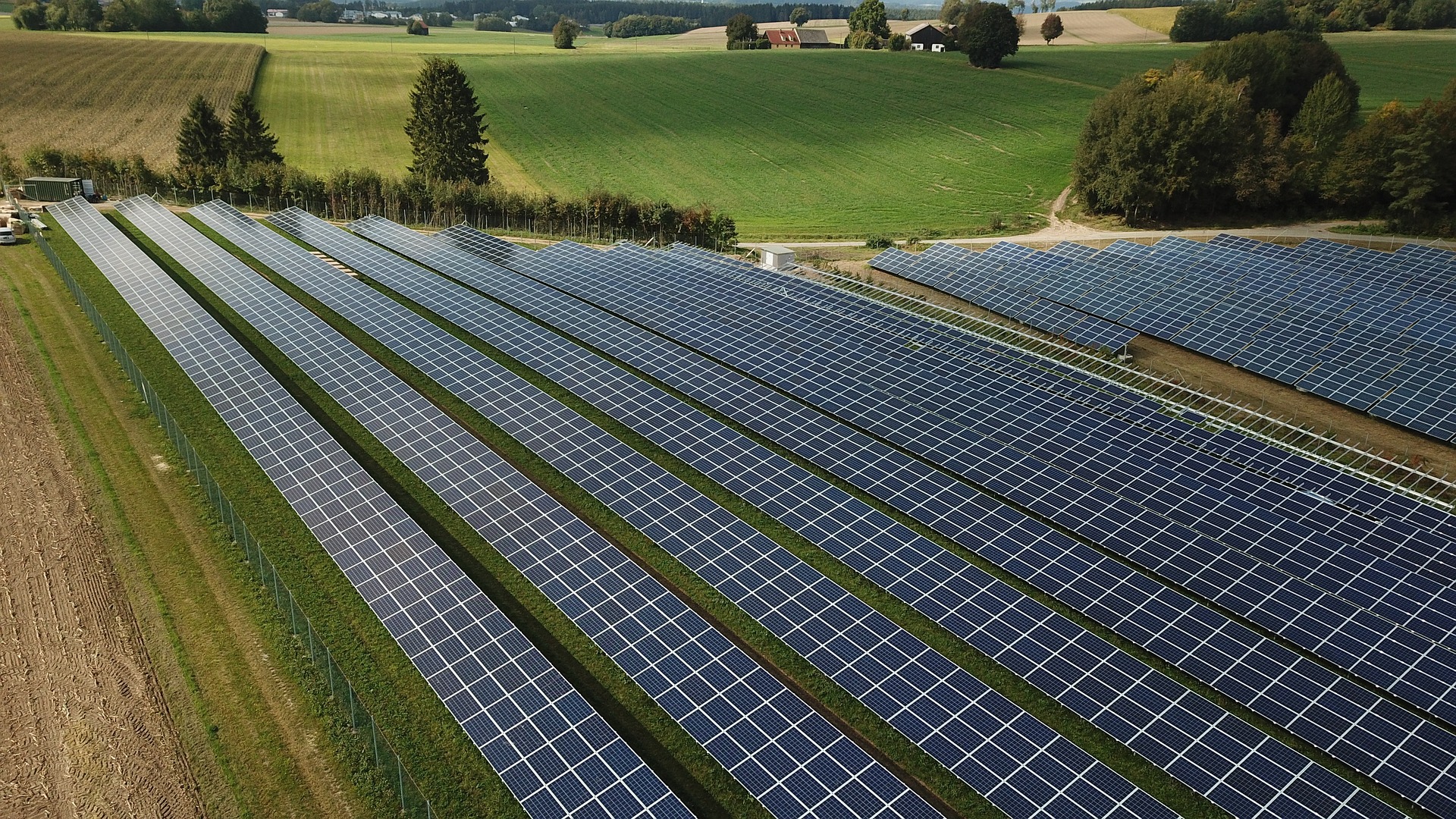
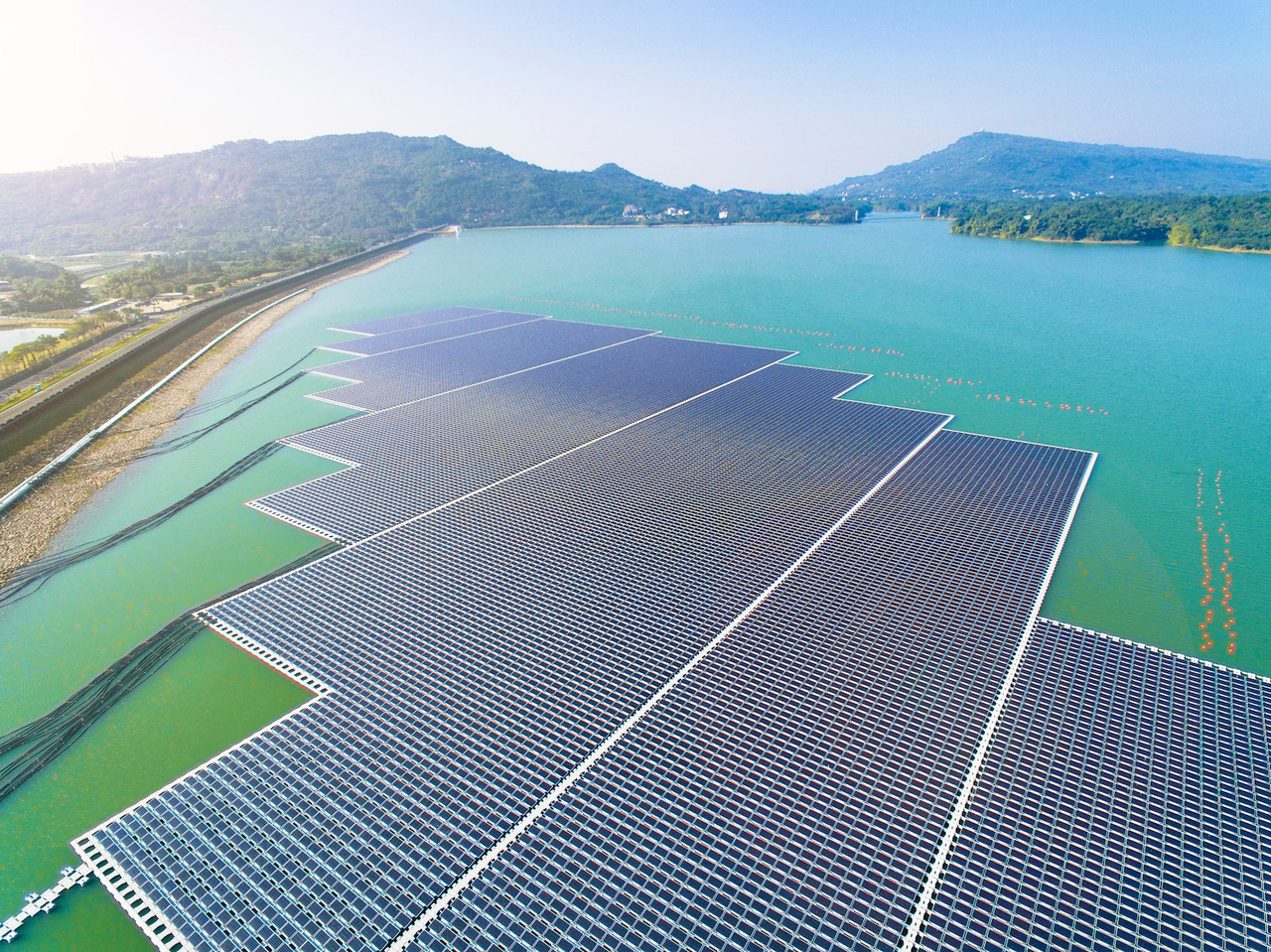
The cost of solar energy has fallen dramatically over the past decade, making it the cheapest source of electricity in many parts of the world. This also means that we can potentially install panels in places that would otherwise be too expensive and still generate electricity profitably. Floating panels, for example, can generate around 10,000 TeraWh per year by avoiding the evaporation of over 100 cubic kilometers of water.

A new Research

An international team of scientists has described the use of solar panels above water. The study was published in the journal Nature Sustainability.

According to experts, solar panels can be placed in bodies of water, thereby saving space on land, for example on the roofs of buildings. The scientists noted that the panels in the water will be able to harvest solar energy more efficiently, as they will receive much-needed passive cooling.

Research says panels installed in water can be an energy saver for the world. Experts have calculated that the needs of many cities around the world can be met if around 30 percent of nearby bodies of water are occupied by panels. Scientists have proposed placing them on the rivers and lakes of 6256 cities in 124 countries, calling such a decision justified in the interests of resource conservation.

Additionally, the panels in the water would be able to block enough sunlight to reduce moisture evaporation during the hot spell. The authors emphasized that the most effective would be placing panels in bodies of water near cities with populations of up to 50,000 people.

How do the floating solar panels work?

Floating PV refers to any solar panel that floats above a body of water. Solar panels are attached to floating structures, kept afloat on the surface of a body of water. These floating solar panels are mostly found on lakes and dams as they tend to be calmer than oceans. They are made from rust proof material and are designed to float using polyethylene which can support two and a half times its own weight.

Floating solar is a relatively new concept and allows electricity to be generated by combining marine and renewable energy technologies. Electricity is directed from this floating body through submerged cables to a transmission tower.

The first patents for this type of technology were registered in 2008. Since then, floating solar has been installed predominantly in countries such as China, Japan and the United Kingdom and is rapidly gaining popularity in the United States as well, particularly in California and the New Jersey.

Floating solar panels’ features

The floating solar panel installation consists of solar module, anti-corrosion material, vertical and horizontal frames, floating body and control stand.

The solar module must be very resistant to humidity, dust, must not contain lead and must be well protected against water.

The floating structure is made of magnesium alloy coating, which is highly resistant to corrosion.

Benefits of floating solar panels

Below are some of the benefits of installing floating solar power generators:

1. You don’t waste precious land space. Many solar panels on the ground result in the loss of valuable land space. These installations can be implemented in unused spaces in bodies of water such as wastewater treatment plants, potable water tanks or hydroelectric reservoirs. Additionally, installing solar panels on bodies of water eliminates the need for deforestation.

2. Benefits for the environment. Floating solar panels are good for the environment. For example, they reduce the phenomenon of evaporation from these water bodies, which is critical in drought-prone areas. Also, having solar panels that float on the water reduces algal blooms in fresh water. Algal blooms can cause health complications when they appear in drinking water sources and can also lead to the death of animals and plants in water bodies.

3. Improved solar performance. As the temperature increases, the efficiency of the solar panels decreases. When installing PV modules on bodies of water, the water provides a cooling effect, which increases its efficiency.

4. Another benefit is that many reservoirs are close to both energy-intensive communities and the grids that serve them, making it easier to use the electricity generated there. Finally, many reservoirs are connected to hydroelectric plants and the two sources of energy can be controlled as one to maintain a stable level of production around the clock and in all weather conditions.

Fighting overheating

When it comes to saving water, the panels will have a far greater impact than their 30% coverage suggests. This is because they work by lowering the temperature of the water rather than simply blocking out sunlight. As a result, evaporation is reduced by approximately 45%. Overall, the reduction in evaporation is about 100 cubic kilometers of water per year, which according to the authors is enough to meet the needs of about 300 million people.

The Research specifically cites countries with high populations and water shortages that could benefit, such as Egypt and South Africa. The latter, they estimate, can generate 144 of the 205 TWh of annual electricity consumption with floating solar panels and avoid losing 1.6 cubic kilometers of water to evaporation.

Floating solar panels can even work in the ocean. Singaporean solar supplier Sunseap has installed them in bays where the panels are relatively sheltered from large waves and other severe weather conditions.

Floating solar power is still a relatively new idea, but it appears to have great potential in areas where there isn’t enough land or just a lot of water.

The fight against unfair trading practices, known as greenwashing, is an important objective for the European Commission. To address this problem, the EU has introduced a new directive, known as ‘Green Claims’, with the aim of protecting consumers against false ‘environmental’ claims. This directive will increase their confidence in ‘green’ products, so they can make informed choices.

Greenwashing is a term used to describe business practices that aim to deceive consumers into believing that a product is greener than it actually is. Consumers can be misled by false claims about a product’s sustainability, such as “made with recycled raw materials” or “energy saving”. These claims can also be supported by evocative imagery, such as green landscapes and environmental icons, to reinforce the impression made on the consumer.

The Green Claims Directive aims to put an end to these deceptive practices by providing consumers with the ability to identify sustainable products, while encouraging companies to engage in environmental practices. The directive establishes specific standards and requirements for environmental communication, which must be adopted by all producers on a European scale.

Through the Green Claims Directive, the EU has committed to providing more transparency and reliable information on green products. The amendments introduced prohibit declarations that do not correspond to clear, objective, quantified commitments and objectives of the manufacturer, based on scientific and verifiable data. The EU aims to protect consumers against unverified claims by encouraging more responsible environmental practices.

Measures introduced

The EU’s Green Claims Directive requires transparency in producers’ reporting, to ensure that consumers are not misled. This transparency must be applied to all elements of the product, both those related to sustainability and non-environmental ones.

In particular, the directive provides that environmental claims are accompanied by clear, objective, quantified objectives based on scientific and verifiable data. Additionally, such claims must be rigorously vetted by governance bodies to ensure they are true and accurate.

Another important pillar of the directive is the introduction of certification standards that must be applied to products that wish to define themselves as “environmentally sustainable”. Such standards should ensure that products are truly sustainable, thus helping to reduce the risks of greenwashing.

Furthermore, the EU has introduced an innovative notion of “eco-design” which aims to increase the energy efficiency of products throughout the EU, thus allowing to reduce energy consumption and CO2 emissions. These measures must ensure that the products are truly sustainable and that consumers are able to identify them thanks to clear and transparent labelling.

Finally, the directive also provides for the introduction of a new regulation on green advertising, in order to limit misleading communications. This regulation should ensure that companies do not use ambiguous labelling, also prohibiting declarations that do not correspond to clear, objective, quantified commitments and objectives of the producer, based on scientific and verifiable data.

Benefits

The EU Green Claims Directive has several benefits, for both consumers and businesses.

First, it protects consumers from deception by providing them with transparent and credible information before purchasing. Furthermore, the rules introduced lead companies to greater environmental responsibility, since they must maintain the strictest verification standards. Thus, consumers can have more confidence in green products and manufacturers’ promises.

This allows consumers to make more informed purchasing decisions. On the other hand, companies that follow the rules have the potential to boost their brand image, as consumers are more likely to buy products with a clear environmental statement.

Furthermore, the Green Claims Directive will contribute to a more sustainable future in Europe, as it will encourage companies to develop products with low environmental impact. This will lead both parties to greater environmental awareness and appropriate action.

Finally, the Green Claims Directive will also bring a greater level of transparency and accountability to retail. In this way, it will be easier for consumers to know the environmental impact of products, since all environmental claims must be verified by an external body. This will lead to increased liability for businesses that fail to meet standards.

Conclusions

The EU’s Green Claims Directive is an important step in the fight against greenwashing. Thanks to the stringent verification standards imposed by the directive, consumers can be more confident that product claims are true. This ensures that consumers can make informed choices and is the only way to achieve a more sustainable future in Europe.

Furthermore, the Green Claims Directive will help companies become more environmentally responsible. By increasing the requirement for transparency in communications, companies will be encouraged to develop and promote products that are truly green, instead of using greenwashing as a means to generate profit.

Introducing stricter testing standards will also help reduce the environmental impact of products. Companies will be incentivized to produce products that are more sustainable, as they will be required to demonstrate that their products meet certain environmental standards.

Germany took a historic step on April 15, 2023, by permanently abandoning its nuclear power generation program: the authorities disconnected the last three operational nuclear power plants (NPPs) from the grid: Isar-2, Neckarwestheim-2 and Emsland . This decision, against the background of the energy crisis, has caused discussions and controversies in German society and political circles. The authorities planned to shut down the last nuclear power plants by 1 January 2023, but in light of the conflict in Ukraine and the situation of energy supplies from Russia, it was decided to extend the operational life until 15 April. The German government will not extend the operation of the stations again after this date. The decision to phase out nuclear power plants was taken in 2011 under Angela Merkel, who held the post of chancellor at the time. Decades of anti-nuclear protests in Germany, sparked by the disasters of Three Mile Island, Chernobyl and Fukushima, have prompted successive governments to stop using the technology.

Tensions in the governing coalition

Even within the ranks of the governing coalition (the Social Democratic Party of Germany, the Greens and the Liberal Democratic Party) there has been a split over the issue of closing the power plants. The Free Democrats have pushed for confirmation of the use of nuclear power and have insisted that nuclear power is safe and environmentally friendly. But in the end, the Greens managed to force their own agenda into government and get these latest closures. “Nuclear energy is too expensive, too slow, too dangerous and unsustainable in the face of the climate crisis due to the huge consumption of cooling water,” said Steffi Lemke, Minister of Environment and Nuclear Safety. The Vice Chancellor, Minister of Economy and Climate Protection of Germany Robert Habek (also “Green”), in turn, has repeatedly assured that, from his point of view, energy security in Germany would also be ensured after the shutdown of the last nuclear reactor. With this, 60 years of German nuclear energy history will come to an end: the first plant was started up in 1960 in the Bavarian district of Lower Franconia.

End of the nuclear age for Germany

German Economy Minister Robert Habeck and Environment Minister Steffi Lemke stressed the importance of renewable energies. “We aim to produce 80 percent of our electricity here in Germany from renewable sources by 2030,” Habeck said. According to the minister, the reliability of energy supply in Germany will be guaranteed even after the closure of the last three nuclear power plants; this reliability will be ensured, to a large extent, by the large-scale expansion of the use of renewable energy sources. Environment Minister Lemke said moving away from nuclear power will make Germany safer, as the risks associated with nuclear power are ultimately uncontrollable. “With the closure of the last three nuclear power plants, we are entering a new era of energy production.” Greenpeace sees the end of nuclear power in Germany as a “good day” for climate protection and a success for the anti-nuclear movement.

Early transition to renewable energy sources

The promotion of the use of renewable energy sources in Germany started as early as the 1990s; in 2000 this was enshrined in the Renewable Energy Act (EEG). One of the components was the so-called surcharge for stimulating energy production from renewable energy sources (German: EEG-Umlage), within which the rising costs of expanding green electricity production were passed on to consumers in a certain proportion. In 2022, the federal government removed this surcharge to relieve electricity consumers due to rising energy costs. Today most of the electricity is generated from renewable sources. In the first half of 2022, they accounted for about 49%. The federal government wants to significantly accelerate this process in the 2020s. Specific measures include the construction of new wind farms on land and offshore, the use of all suitable roofs for solar energy generation and the expansion of photovoltaic plants on agricultural land. However, the energy transition requires not only new plants but also adequate electricity grids. The transmission of electricity generated by wind turbines, mainly in the north of Germany and in the south of the country, where large industrial enterprises are located, requires transmission lines of several hundred kilometers, which is why the Federal Ministry of Economy and Protection climate attaches great importance to the expansion of interregional and local distribution networks.

A plan to increase local green energy production capacities

Germany wants to triple the share of photovoltaic electricity sources in 10 years. The German government has developed a three-phase plan to increase the generation capacity of green energy and electricity grids in the country and in Europe. Among other things, the government plans to acquire stakes in renewable energy production companies and stimulate local production of wind turbines and solar panels. Increasing its “green” production capacity has become an essential priority for the country. To develop the plan, Germany held public consultations from April 2022 to February 2023. Economy and Climate Protection Minister Robert Habek said the plan includes:

• Helping companies to invest and maintain renewable energy production capacity. He noted that Germany wants to define additional instruments, in particular a special electricity tariff for industry. As well as incurring operational costs, which are now against EU regulations. For example, China offers industry cheap electricity rates of €0.07 per kilowatt hour. The government also plans to set up a “transformation fund” through which it will seek to acquire shares in renewable energy companies. This should encourage investment, not permanent government involvement;

• Temporary mitigation of the risks of expanding the onshore wind and electricity grid. A wind farm owner who cannot sell his electricity due to a backlog of grid capacity can be compensated, for example, by using a new tool;

• A new round of innovative EU-approved funding programs called Important Projects of Common European Interest (IPCEI) and their extension to solar energy. Note that at this point Berlin will seek the support of Spain, which first put forward this idea.

The government will also conduct a study to rebuild the solar energy value chain in Germany: “The country wants to triple the share of photovoltaic electricity sources from the current level of around 10% to around 30% in just ten years” , said Jörg Ebel, head of the solar industry lobby association BSW. He also added that Germany should rely on more than just buying solar panels. The cost of implementing the plan is not yet known, but government support for large-scale operational costs could be decisive. The authors underlined that a significant part of the German plan for the development of the “clean” technology industry in its territory depends on changes at the EU level. Constrained by EU state aid rules, measures such as special support for operational expenditure would be unthinkable. To implement the measures, the Commission must first create the legal framework required by EU state aid rules. Habek stressed that the German initiative could complement the Green Deal industrial plan. We recall that the European Commission has presented the “Green Deal” industrial plan, designed to increase the competitiveness of European zero-emission industry and promote a rapid transition towards climate neutrality. As EcoPolicy previously reported, the European Commission plans to ease state aid rules to support green investments, particularly through tax incentives.

Energy communities have a long history in Western Europe, where they have been launched as anti-nuclear and anti-fossil fuel energy projects since the 1970s. Today they are increasingly a key bulwark against the climate crisis, boosting the local economy and revitalizing communities.

What are Renewable Energy Communities

The Renewable Energy Communities (CERs) are an energy management model, which includes groups of citizens, businesses or local authorities who come together to produce, consume and exchange renewable energy. These communities are based on the sharing of benefits and responsibilities, and aim to promote the transition towards a sustainable and decentralized energy system, so as to reduce the dependence on traditional energy sources. Renewable energy communities can be made up of different types of actors, including individuals, companies, farmers and local public administrations. Furthermore, these communities can be of different sizes, depending on the needs of the area in which they are present. The energy produced by renewable energy communities can be used to power homes, businesses and public lighting. They are built on the concept of local energy self-consumption. While not a new concept, it has gained prominence in recent years due to the many benefits it offers and because it has received some legal and legal status on its way to becoming a key lever in accelerating the transition to more sustainable energy.

What does an energy community do?

The energy community is free to engage in the production, distribution, supply, consumption, aggregation and storage of energy, such as the installation of photovoltaic parks or wind turbines. At the same time, that community has the right to offer energy efficiency services or electric vehicle charging services in its locality. In this case the community can and is encouraged to take advantage of renewable energy production opportunities that can be implemented more easily for smaller areas than nationwide. Along with this right to operate, an energy community also has an obligation to own and operate a power plant or electricity generation facility. These standards ensure the involvement of the community in the efficiency of local energy consumption.

Regulation of Renewable Energy Communities in Italy

The objective of the Regulation of Renewable Energy Communities is to create a clear and stable regulatory framework for the creation and development of these communities. This makes it possible to increase legal security for investors, stimulate citizen participation and promote the diffusion of renewable energy sources in Italy. Thanks to the conversion into law of the Milleproroghe Decree 162/2019, the “Renewable Energy Communities” envisaged by the European Directive RED II (2018/2001/EU) were also introduced in Italy, i.e. associations between citizens, commercial activities, local public administrations or small and medium-sized enterprises that decide to join forces to acquire one or more shared plants aimed at the production and self-consumption of energy produced from renewable sources. This decree introduced the concept of “energy community” and established the rules for the creation and functioning of these communities. This conversion into law represents an important step towards an energy scenario based on distributed generation which will certainly be able to favor the development of so-called “zero kilometer” energy and intelligent networks or Smart Grids.

What are the key elements of an energy community?

• Individuals, legal entities, local authorities (including municipalities) or SMEs can participate as members.

• Democratic control and decision-making: The energy community must be controlled by the members and must be “autonomous”: no single member (especially a company or financial institution) can exercise disproportionate influence over community decisions.

• Open and voluntary participation: the community must be open to all possible members on a non-discriminatory basis and allow them to withdraw.

• Alternative purpose to obtaining profit: the energy community must have as its main purpose the provision of environmental, economic or social benefits among its members. Community members can get a financial return on their investment.

What are the benefits of energy communities?

Energy communities offer numerous advantages and benefits both for individual participants and for the whole community. These are an example of circular economy and sustainable development, as they promote the use of clean energy sources and reduce dependence on fossil fuels. Additionally, energy communities can help create local jobs and reduce energy costs for members.

• Reduction of energy costs. By sharing energy among community members, lower prices can be obtained than buying energy from traditional sources.

• Reduction of CO2 emissions. Energy communities can also contribute to the reduction of CO2 emissions. By using renewable energy sources, such as solar or wind energy, energy communities can reduce the environmental impact of energy production.

• Greater energy security. Energy communities also offer greater energy security. By producing energy within the community and sharing energy among members, dependency on traditional energy sources and external suppliers is reduced. Furthermore, in the event of blackouts or power outages, energy communities can continue to function due to their ability to independently produce and share energy.

• Development of local communities. Energy communities represent an opportunity for the development of local communities. These are based on the active participation of citizens, who come together to produce, distribute and consume energy. In this way, greater awareness and involvement of citizens in energy management is created, favoring the development of more resilient and sustainable local communities.

• Improvement of air quality. The production of energy from renewable sources, such as the sun and the wind, does not emit polluting substances into the atmosphere, so the CERs contribute to the improvement of air quality. In addition, energy communities can promote the use of electric or hydrogen vehicles, further reducing emissions of gases harmful to health

• Promotion of technological innovation. The active participation of citizens in energy management creates an environment conducive to innovation, encouraging the development of new technologies and solutions for energy production, distribution and consumption. Energy communities can foster the diffusion of already existing technologies, such as solar panels and wind turbines, making them more accessible to citizens.

Renewable Energy Communities in Italy: the current situation and prospects

Currently, in Italy there are some Renewable Energy Communities that are trying to promote the use of renewable energy. These communities are made up of people who believe in the need for a change towards sustainable energy sources and who want to do their part to contribute to this change. Renewable Energy Communities are becoming increasingly popular in Italy. According to data from the Register of Renewable Energy Communities, updated to March 2023, 120 CERs have been set up throughout Italy, mainly in the northern regions. The CERs mainly produce energy from solar and hydroelectric sources, but biomass and geothermal production projects are also being developed. In Italy there are more than 3,500 Municipalities that use only renewable energy and in which the electricity production from renewables exceeds the needs of resident families. Furthermore, according to a study by the Milan Polytechnic, (Electricity Market Report) estimates that by 2025 there will be around 40,000 Italian energy communities and will involve around 1.2 million households, 200,000 offices and 10,000 SMEs. For the foreseeable future, an exponential growth in the number of Energy Communities is expected.

Doubling of the total attendance (and more than doubled the foreign ones) for K.EY, the Italian event for renewable energies and energy efficiency, a point of reference in Italy, Africa and the Mediterranean basin, which was also attended by Raptech with the presence of our CEO and Cofounder Marco Berliocchi.

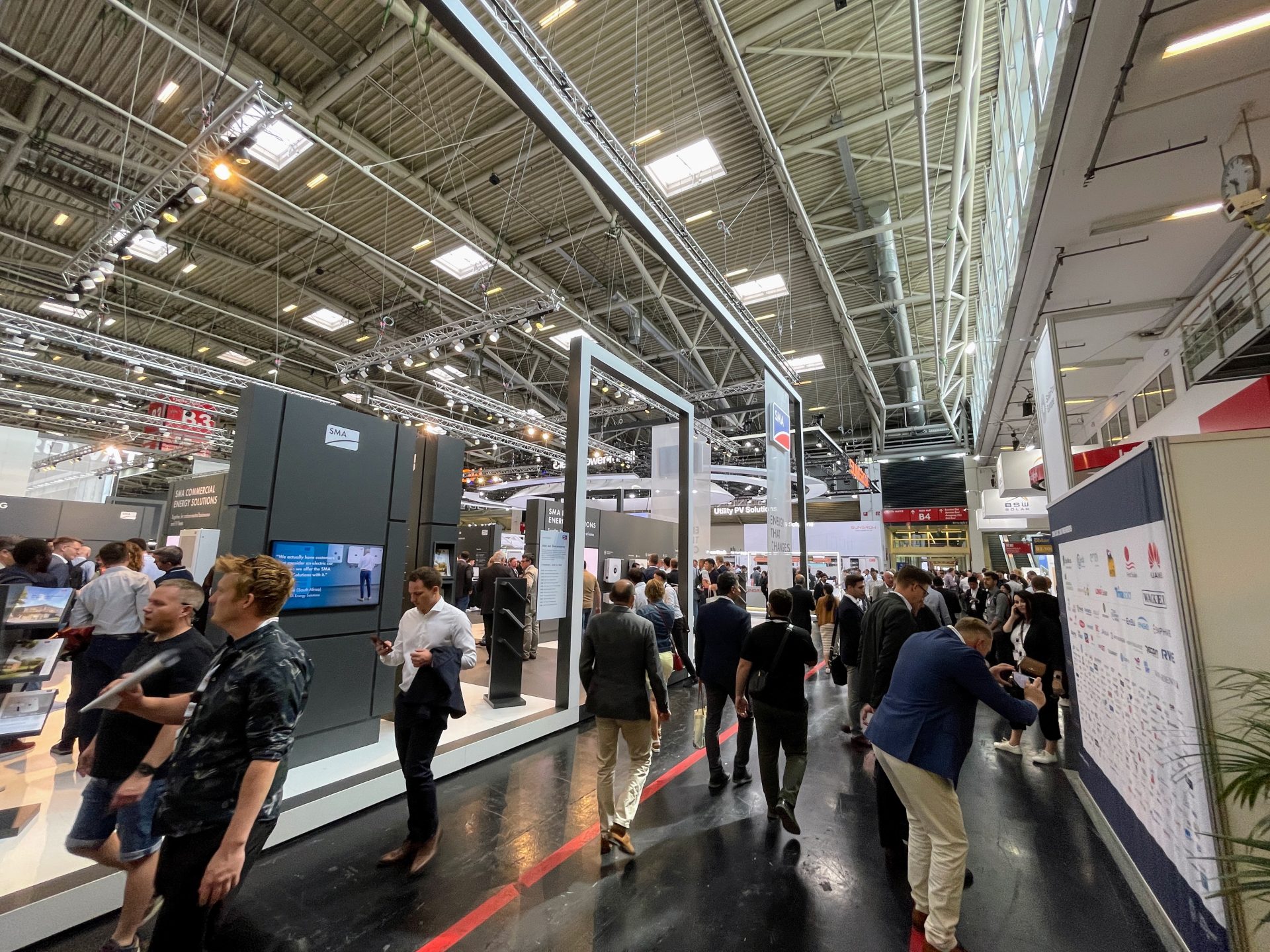
The event was held for the first time without the contemporaneity of Ecomondo, K.EY. The Energy Transition Expo has exceeded expectations, gathering numerous adhesions at national, European and non-European level and confirming not only how Made in Italy is at the forefront in this sector, but also how our country is highly attractive for foreign producers.

More than 600 brands were present at the fair, of which around 28% were foreign, with the main market leaders in all sectors and a significant expansion of the supply chains. Over 300 foreign buyers present – from North Africa, Sub-Saharan Africa, Europe, Eastern Europe, the Balkans, Asia, the Middle East and Latin America – thanks to the support of the Ministry of Foreign Affairs and International Cooperation and the ICE Agency, with over 23 International associations.

Thanks to the very rich schedule of guests, debates and exhibitors, K.EY was a training and professional updating opportunity for everyone but also an opportunity to stay constantly informed on the latest technologies, legislative aspects, development trends, new emerging markets and on all the news from the world of energy and renewables.

Various appointments of ForumTech 2023, organized by Italia Solare at the same time as K.EY, were dedicated to updates on the technological side. It ranged from a discussion on the configurations of storage systems in the various market segments to the news regarding panel cleaning, the use of drones, components, digital tools and advanced analytics, to the analysis of the life cycle of photovoltaic modules.

K.EY then gave space to products and technologies in the solar, photovoltaic and storage sectors at SEC, Solar Exhibition and Conference, for wind energy at WEM, Wind Expo for Med and for technologies and projects for the production and storage of hydrogen at Hye, energy efficiency and storage in the industrial and building sectors, with technologies and services available to companies to optimize their energy consumption and reduce their carbon footprint in the transversal area of EFFI – Energy Efficiency Expo. And again, eME, e-Mobility Expo and Sustainable City dedicated respectively to electric and sustainable mobility, from recharging infrastructures to interconnected mobility services, and to the smart city. And in the very current Sustainable Building District, focus on sustainable construction, in collaboration with the main partner Green Building Council Italia.

Several appointments were dedicated to the Energy Community revolution, including a meeting to explore the role that ESCos (Energy Service Companies) can play in the promotion, development, financing and management phases of the various distributed generation initiatives and an overview of the on the regulatory aspects, which have changed rapidly in recent years and months as Italy has implemented the reference EU directives and the first concrete projects have been developed.

Finally, EdizioniAmbiente was entrusted with the care of Salotto Solare, a moment of discussion on different ways of dealing with energy in 5 stages with as many book presentations. On Wednesday 22 Marco Gisotti presented Ecovisioni and Livio De Santoli Energy for the people. Thursday 23 Stefano Belletti presented Green & Digital and Gianluca Ruggieri What is the ecological transition. Finally, on Friday 24th Gianni Silvestrini presented his What is renewable energy, winner of the 2022 Demetra Prize for environmental literature.

CONFERENCES AND SUMMITS, NETWORKING NETWORK

K.EY has fostered constant communication with the institutions and by connecting the key players in the sector with each other, thanks to a rich schedule of international events and conferences defined by the K.EY Technical-Scientific Committee chaired by prof. Gianni Silvestrini.

For the first time, the K.EY ENERGY SUMMIT, General States of Renewable Sources, was held, a moment of public discussion promoted by ANEV, Elettricità Futura, ITALIA SOLARE, Italian Biogas Consortium, Federidroelettrica, ANIE Rinnovabili, Assoidroelettrica and FREE Coordination for submit organic and coordinated proposals to the Government, which received the availability of the Deputy Minister of MASE Vannia Gava.

A second, but no less important novelty was represented by the presentation of the 1st Report on the production geography of renewables in Italy, promoted and created by the Symbola Foundation and the Italian Exhibition Group, in collaboration with the main trade associations of the sector, to reconstruct , together with the most important Italian players on the market, the characteristics and territorial and sectoral distribution of companies in the renewable energy supply chain.

In conjunction with K.EY also The European Exhibition of Electrical power System, the European event dedicated to the entire ecosystem of electrical generation, distribution, safety and automation, organized by Italian Exhibition Group in collaboration with the Distributed Generation, Motors, Components Association , Generating Sets federated ANIMA Confindustria.

K.EY will return to the Italian Exhibition Group fair in Rimini from 28 February to 1 March 2024. For the world of sustainability, next IEG appointments at CDEPE (Chengdu, China, 30 March – 1 April), Ecomondo Mexico (Guadalajara, Mexico, 26 April – 28 April) and then with Ecomondo, from 7 to 10 November next, at the Rimini Fair.

Over the coming decades, digital technologies will make energy systems around the world more connected, intelligent, efficient, reliable and sustainable. Dramatic advances in data, analytics and connectivity are enabling a range of new digital applications such as smart appliances, shared mobility and the Internet of Things. Future digitized energy systems may be able to identify who needs energy and deliver it at the right time, in the right place and at the lowest cost. But doing everything right will not be easy.

Some of the most significant obstacles encountered by companies in the sector are:

• Geographically dispersed energy data: you miss the opportunity to make meaningful use of it.

• Lack of an integrated platform: prevents industry players from making informed decisions, leaving data isolated and unverified in the marketplace.

• Inability to track resources: From historical patterns to supply and demand trends, tracking is necessary to optimize clean energy delivery.

• Lack of clear and traceable targets: the absence of a roadmap towards the adoption of new technologies and an action plan impedes progress towards energy efficiency.

This is what emerges from the first Raptech Observatory on Digitization in Energy.

Raptech (https://www.raptech.it/) has been operating in the Renewable Energy market for over 15 years, offering technology, monitoring and asset management systems for photovoltaic plants.

The Observatory is the result of Raptech’s particular position in the Italian market, with a large presence and share of customers in the overall production of photovoltaic plants in Italy, with a focus on larger plants.

Thanks to the Digital Transformation in the Energy sector, it is possible to increase the efficiency in the management of photovoltaic assets. In fact, asset management can require a series of repetitive operations which, if automated, can lead to an astonishing improvement both in terms of time and quality of results.

In this regard, Raptech has long since launched the proprietary R-Cloud platform on the market, a Web tool for data collection and aggregation, which performs daily readings of the “load curve” and of all the registers available via GSE modems, with values of production on a quarter of an hour basis, automatic comparison with the Enel Distribuzione Portal, automatic control of GSE payments and energy sales data.

Equivalent hours of use means the ratio between production and power (kWh/kW) and the Research shows that plants that use R-Cloud have on average 25% more equivalent hours of use, and therefore a productivity higher than those of the same power class nationwide. The data emerges from the comparison between the Raptech Observatory on its customers and the overall Italian data of the GSE Solar Photovoltaic Statistical Report on equivalent hours.

The analysis of the data in our possession – explains Marco Berliocchi, CEO and Cofounder of Raptech – has allowed us to quantify the real benefit deriving from the use of IT tools in terms of greater energy production. In fact, the plants we manage have shown a substantial increase in productivity and an increase in revenues deriving from incentives and from the sale of energy.”

To keep up with the times, and to meet customers and stakeholders, Raptech will be present on March 22nd in Rimini with the CEO and Cofounder Marco Berliocchi: write to us to book an appointment.

In 2030, 72% of electricity production will have to come from renewable sources. K.EY takes up the challenge and, in its first edition from 22 to 24 March 2023 in Rimini, will take over from Key Energy, which is turning into an independent event, with a new format, a new positioning and a new period of ‘year.

K.EY offers a comprehensive showcase for the technology, integrated solutions and services that can drive the energy transition towards a carbon neutral economy. It is also a cultural, scientific and technical hub and a community catalyst capable of connecting stakeholders, actors and leaders in the renewable energy sector, giving them the opportunity to exchange ideas: not only a business platform, but also and above all a opportunities for training and information on the subject of energy and on accelerating the energy transition process already underway.

[from our latest press release]

In the first 9 months of 2022, Italian photovoltaics recorded record numbers: there are 12,000 new plants, for a total of 1.6 GW, a liveliness not seen since 2013, at the time of the last Energy Bill. This was revealed by the latest statistical Outlook of the GSE (InFotovoltaico), which also states that as of 30 September 1,140,000 plants are in operation, + 12% compared to the end of 2021. Just under half of the plants belong to the industrial sector (with 51% of total installed power), followed by the tertiary sector (20%), residential (18%) and agriculture (11%). 35% of the systems are on the ground (with 15,800 hectares of occupied area) while 65% are on buildings, roofs, roofing, etc…

The growth that follows eight years of relative stability in the sector affects all plant size classes, all regions and the main cities of the country: among these, Piedmont is the region that produces the most electricity from photovoltaics, followed by Lombardy and Veneto , confirms the research of the Association of Consumers and Producers of Renewable Energy (Aceper).

Among the provinces, Lecce stands out with a performance of 1,100 hours of operation, for an average of 4 hours/day.

However, there are also specific challenges and problems, especially for owners of photovoltaic systems and operators in the sector: this is revealed by a research by Raptech (https://www.raptech.it/), a company operating in the Renewable Energy market for over 15 years , offering technology, IT technical support, monitoring and asset management systems for plants.

Thanks to the digital transformation of energy, it is possible to increase the efficiency in the management of photovoltaic assets. Asset management can require a series of repetitive operations which, if automated, can lead to a staggering improvement both in terms of time and quality of results. Raptech research has measured a reduction in the time spent ranging from 80% to 95% for this type of activity. This greater efficiency also translates into an almost total reduction in cash imbalances due to problems with the disbursement of contributions or the sale of energy. For this reason, the company launched Remote Meter Reading on the market some time ago, a web tool based on the proprietary R-Cloud platform, with online access to all data and the possibility of downloading it in standard format, which performs daily readings of the “load curve” and all the registers available via the GSE modems, with production values on a quarter-hour basis, automatic comparison with the Enel Distribuzione portal and automatic control of GSE payments. “The digitization of energy – confirms Marco Berliocchi, CEO and Cofounder of Raptech – is an important step towards the energy transition as well as an indispensable tool for increasing the efficiency of manufacturing companies”.

Raptech is one of the partners of Trust-PV, a four-year research project funded with over 12 million euros by the European Union’s Horizon 2020 programme. TRUST-PV will improve the performance and reliability of PV systems by supporting the development of O&M-compatible and grid-friendly PV components and solutions across broad portfolios of distributed and utility-scale systems.

As part of the project, Raptech participated in Solar Quality Summit Europe in Barcelona (January 24-25), which brought together all stakeholders in solar quality management, including investors, service providers and technology providers, to provide them an overview of the latest market developments, sharing best practices in EPC, O&M and Asset Management, exploring challenges, and discovering emerging technologies and trends.

Below we report information, data and considerations that emerged during the two days of conferences.

Quality vs quantity: overcoming the binary approach

The European market is booming, it is a mature market that requires quality and such rapid growth certainly represents a challenge. Quality should not be seen in a Manichaean and binary context in contrast to “quantity”.

Let’s see how.

Not only technical skills, not only engineers but also financial and digital skills are needed to contribute to the energy transition, but there is a basic shortage to counter which we also need people from other sectors without solar experience to be trained within companies .

As far as the issue of component shortage is concerned, it is clear that today some components have to wait up to a year; a large percentage of module production in China has been delayed; The COVID problem has delayed many projects; The US has banned Huawei, the largest inverter maker, and that’s another problem. Careful procurement management has therefore become crucial from the point of view of development and construction.

All the players agree that making quality has a low marginal cost. The important thing is to look at the solar ecosystem in a complete way and not just at a small part of the value chain, in doing so the quality will not present such high costs.

The European markets with the highest potential

Thanks to the data from Solar Power Europe, it was also possible to get an overview of the growth potential of the various European countries.

With 41.4 GW installed in the EU in 2022, this marks the best solar year in European history so far, 47% more than the 28.1 GW installed in 2021, when an old record was broken ten years old.

As in the previous year, Germany is still the largest solar market in Europe in 2022. Among the top 10 are 2 newcomers (Portugal and Sweden).

In 2022, the EU’s solar power generation park increased by 25% to 208.9 GW, up from 167.5 GW in 2021.

When it comes to solar energy per capita, the Netherlands leads Europe ahead of Germany and Denmark.

The next 4 years, up to 2026, will see further strong growth, with an annual solar market of almost 54 GW already in 2023 and reaching 85 GW in 2026 (EU27 Annual solar PV Market Scenarios 2023-2026).

The greatest growth in the coming years will be seen in emerging markets in the EU as Germany reaches double-digit GW levels for the first time in 2023 and nearly doubles installations to around 20 GW in 2026.

Large-scale solar will remain the main driver for solar in Spain, but the rooftop segment will also have a sizeable market share.

The Italian solar market is expanding mainly thanks to tax incentives for the rooftop segment, which is expected to be the main basis for solar growth.

While complicated regulations have slowed solar in France, several legislative measures are expected to lead to double-digit annual growth rates over the next few years.

Three quarters of EU member states will have already met the 2030 National Energy Plan for the Climate (NECP) solar target by 2025. Total EU solar energy is projected to rise from 209 GW installed today at 399 GW in 2025 and 920 GW in 2030.

The market for clean technologies by 2030 will be worth 650 billion euros (IEA).

Exxon - raptech.it

Exxon analysts accurately predicted global warming from fossil fuel use in the 1970s, but have publicly denied the possibility of global warming.

In the 1970s, ExxonMobil scientists outfitted one of the company’s supertankers with state-of-the-art equipment to measure carbon dioxide in the ocean and in the air, an early example of the massive research, according to an article recently published by The Guardian. research on the oil giant’s climate. According to the British tabloid, oil giant Exxon privately “correctly and cleverly predicted global warming” and then spent decades publicly brushing aside that result to protect its core business.

ExxonMobil’s blatant hypocrisy about man-made climate change was exposed in 2015 by investigative reporters who obtained internal company documents. These materials demonstrated that the company was aware of global warming and its causes as early as 1977.

The research of Supran, Ramstorff and Oreskes

Experts led by Jeffrey Supran, a historian of science at Harvard University, found that ExxonMobil not only knew that fossil fuels were driving climate change decades ago, but also made some of the most accurate global warming predictions and consistent with the times.

While previous reports have focused on textual evidence of the company’s knowledge, Supran and two of his co-authors, University of Potsdam climatologist Stefan Ramstorff and Harvard science historian Naomi Oreskes, presented the first quantitative review of early ExxonMobil’s numerical and graphical data on climatology.

The new study by Supran and his colleagues began a few years ago after Ramstorff tweeted a new graph of global temperature rise over the past few decades, superimposed on ExxonMobil’s 1982 climate forecast graph.

The question of Alexandria Ocasio-Cortez

The similarity between Exxon’s climate projections and what actually happened is so striking that Congresswoman Alexandria Ocasio-Cortez used Ramstorff’s work to question Martin Hoffert, a climate scientist who served as a consultant for ExxonMobil, during a confrontation in the House in 2019. Hoffert later noted that he and his colleagues were “remarkable scientists” who accurately predicted the trajectory of anthropogenic climate change.

Hoffert is now professor emeritus of physics at NYU, but continues to talk about his experience with ExxonMobil, as do many other scientists who have done climate research for the company since the 1970s.

Martin Offert’s work for Exxon

Supran and colleagues frequently refer to the work of Hoffert and colleagues in their new study, which is based on a comprehensive analysis of 32 internal documents created by ExxonMobil scientists between 1977 and 2002, as well as 72 peer-reviewed scientific publications from part of ExxonMobil scientists between 1982 and 2014.

The findings show ExxonMobil’s mostly accurate predictions of global average surface temperatures and also show that the company “correctly dismissed the prospect of an oncoming ice age, accurately predicted when human-induced global warming would be detected by the first time and reasonably estimated the carbon balance to keep warming below 2°C.”

The researchers also found that climate projections presented during a 1982 internal briefing titled “The Greenhouse Effect of CO2” were later widely disseminated among ExxonMobil management and labeled “confidential information for authorized corporate use only.”

The true purpose of Exxon

Supran notes that Exxon has been privately clear about the purpose of its involvement in the climate study, which was essentially a combination of intelligence gathering and legitimacy. This information “has been incorporated into a broader corporate strategy to manage the company’s challenges to the potential threat of global warming to its business interests.” Scientist is convinced that when ExxonMobil, along with the entire fossil fuel industry, launched a massive campaign to discredit climate science and scientists in the late 1980s, he was aware of the consensus on man-made global warming .

Supran and his colleagues hope their work can help provide accountability for the cynical strategies employed by ExxonMobil and similar organizations that have deliberately obfuscated information on climate change. The new study offers more ground for lawsuits, political movements and civic activism.