26
Oct
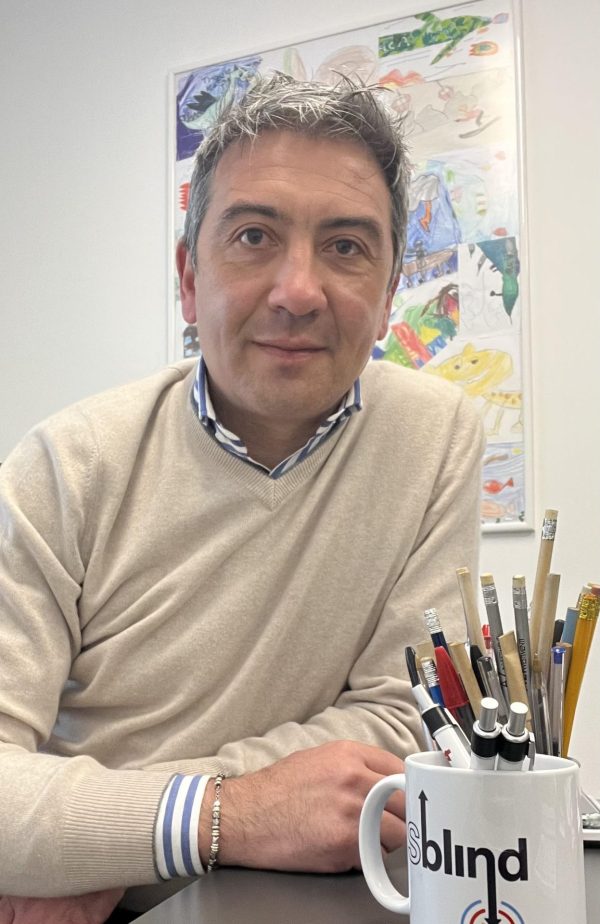
Today we have the pleasure of interviewing Tiffany Ziller, Research and Innovation Officer at the French Embassy in Italy.
In recent years, France and Italy have both invested in innovation. What key differences do you see in their respective research and startup ecosystems?
In France, the innovation ecosystem has developed in a highly coordinated and centralized manner. The state has played a decisive role in supporting research and business creation, through programs such as La French Tech and the support of Bpifrance. These policies have fostered the emergence of a cohesive environment where universities, large public research centers, businesses, and startups collaborate in a structured manner. Paris and France’s major cities have become hubs for talent and investors, with a particularly dynamic venture capital market and an entrepreneurial culture geared toward international growth. In Italy, where the regional influence is much stronger, the process has been gradual and patchy across the country, with very strong growth in recent years. Innovation has often emerged “bottom-up,” thanks to the initiative of universities, research centers, and industrial districts, which have successfully integrated technological expertise with traditional manufacturing and creative know-how.
Today, Italy is consolidating an increasingly mature ecosystem: in particular, the creation of CDP Venture Capital in 2020 marked a significant step forward in the financial sector of venture capital, with the aim of providing a more robust structure for investments in innovative startups and SMEs. At the same time, the introduction of the Scaleup Act in 2024 has redefined the regulatory framework for startups and scaleups, updating the rules, incentives, and support measures to foster the growth and scalability of Italian innovative companies.
Which French public policies do you consider most effective in fostering the creation and growth of startups—and which could inspire the Italian context?
France has developed a highly coherent set of public policies in recent years, which have helped transform the country into one of the most vibrant innovation ecosystems in Europe.
A central pillar is Bpifrance, the public bank for innovation and entrepreneurship, which plays a key role in financing high-potential startups and SMEs, combining public resources and private capital. In addition to subsidized loans and investment funds, Bpifrance offers strategic support, mentoring, and internationalization support programs. Its strength lies in its ability to act as a single point of access for entrepreneurs, reducing the fragmentation of aid and promoting risk sharing between the public and private sectors.
Another distinctive element is La French Tech, founded in 2013 to create a national and international network of startups, accelerators, and investors. More than just a program, La French Tech has become a defining brand, supported by dedicated resources and strong political commitment. With the arrival of Emmanuel Macron and his vision of a “Startup Nation,” the initiative has gained further momentum, contributing to the emergence of dozens of unicorns and the consolidation of a truly global ecosystem.
On the tax front, France stands out for its particularly attractive incentive system. The Crédit Impôt Recherche (CIR) and the Crédit Impôt Innovation (CII) allow companies to deduct a significant portion of their research and development or product innovation expenses, making technology investment more accessible. At the same time, a series of incentives for private investors—such as tax deductions for those investing in startups through the IR-PME scheme or in dedicated funds (FIP and FCPI)—have stimulated private capital participation, fostering the creation of a highly dynamic venture capital market.
From your institutional perspective, which technological sectors are becoming priorities for Franco-Italian cooperation?
In recent years, Franco-Italian cooperation on innovation has intensified, especially since the Quirinale Treaty, which provided a stable and structured framework for relations between the two countries. Today, shared priorities focus on several key technological sectors, with a shared vision of European competitiveness and strategic autonomy.
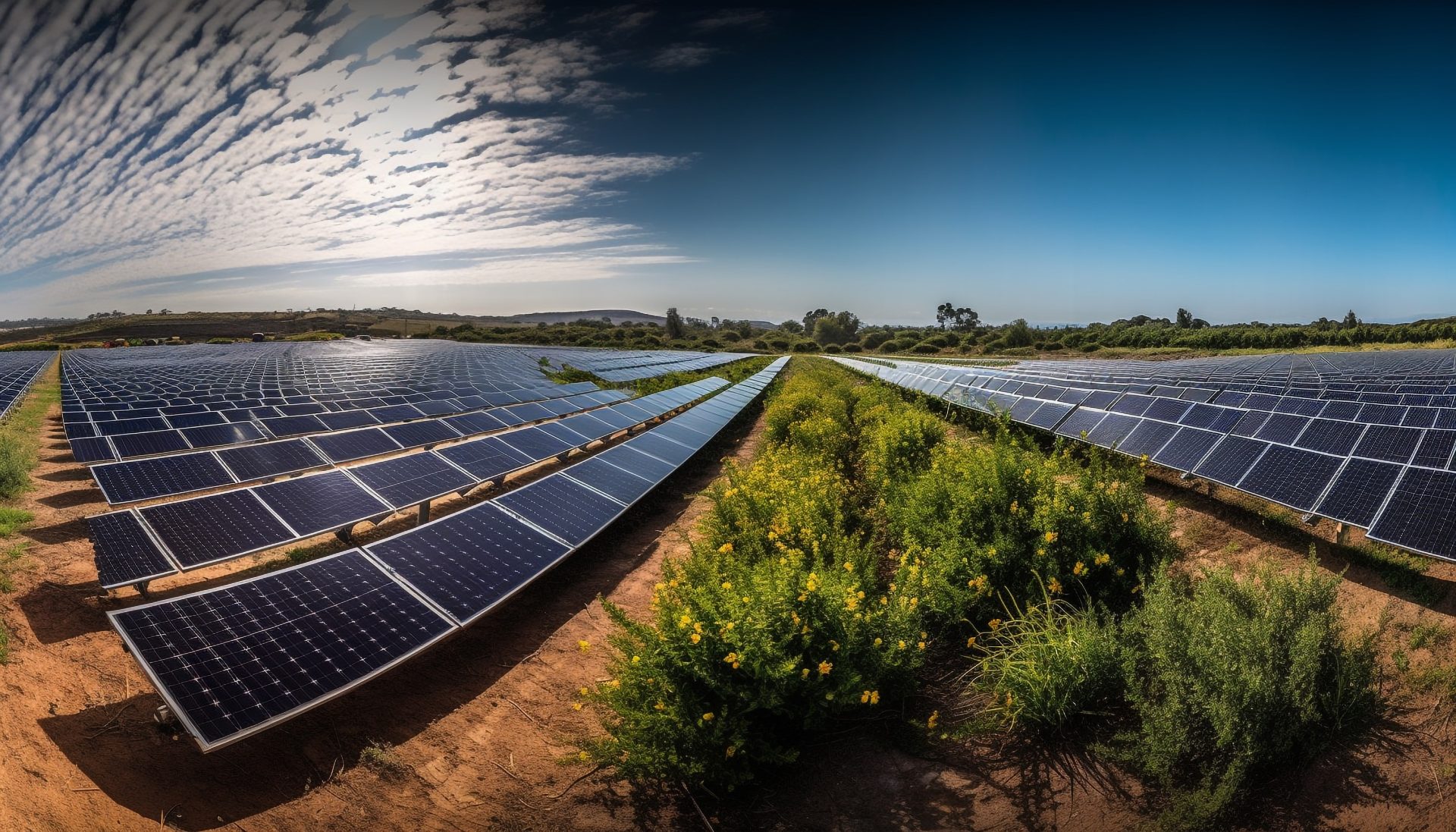
A first key area is the energy transition, with collaborations on the development of renewable energy, next-generation nuclear power, energy efficiency and sobriety, and storage technologies. The goal is to build a sustainable and industrially competitive energy model, in which public research and private enterprise work in close synergy.
A second focus concerns digital technology and artificial intelligence, areas in which France and Italy participate together in strategic European programs and foster partnerships between universities, research centers, and deep-tech startups.
The space sector is also experiencing strong growth, where collaboration has long been consolidated both through our respective space agencies and at the industrial level with the Space Alliance between the French company Thales and the Italian company Leonardo. Suffice it to say that Thales Alenia Space, one of the two joint ventures of the Space Alliance along with Telespazio, built approximately 50% of the International Space Station. And a few days ago, a greater integration of our space industries was announced, including Airbus.
In a younger sector that represents a research frontier with enormous industrial potential—quantum technologies—new opportunities for collaboration are emerging. France and Italy are jointly participating in European initiatives within the Quantum Flagship, collaborating on quantum computing, secure communications, and advanced sensors. Universities and research centers in the two countries are developing joint projects to accelerate the maturation of these technologies and promote their application in strategic sectors such as cybersecurity, logistics, and finance.
What concrete opportunities exist today for Italian startups interested in expanding in France?
France is currently one of the most attractive destinations for Italian startups looking to grow on a European scale. The French ecosystem combines strong public support, a highly active venture capital market, and a culture of innovation geared toward internationalization.
A privileged entry point is the La French Tech network, which connects hundreds of hubs, incubators, and accelerators across the country. Foreign startups can access support, mentoring, and visibility programs with local investors.
A key role is played by Business France, the national agency for the internationalization of the economy, which supports foreign companies in their establishment in France. Business France offers support in choosing a location, finding industrial partners, and securing financing or tax incentives, in collaboration with regional authorities and local technology hubs.
In recent years, a particularly interesting new tool has emerged: the Franco-Italian accelerator for technology startups, created to foster cooperation between the two ecosystems and support young companies looking to expand beyond the border. This program, jointly promoted by Cassa Depositi e Prestiti, Bpifrance, and the La French Tech and Italian Tech Alliance networks, offers mentorship, access to investors, and opportunities for industrial co-development between the two countries.
From a financial standpoint, France remains highly competitive: Bpifrance offers loans, investment funds, and co-innovation programs, including for foreign startups, while tax instruments such as the Crédit Impôt Recherche (CIR) and Crédit Impôt Innovation (CII) make it convenient to establish R&D activities in France.
Do you see significant cultural differences in the way Italian and French founders approach innovation?
Yes, there are quite interesting—and complementary—cultural differences in the way Italian and French founders experience and interpret innovation. Both cultures produce highly talented entrepreneurs, but the educational, institutional, and social context in which they operate greatly influences their approach.
In general, French founders tend to operate in a more structured and centralized ecosystem. Many come from high-level technical and scientific academic backgrounds, often trained at schools such as Polytechnique, CentraleSupélec, or HEC, and have internalized the idea that innovation is a strategic national lever. This is reflected in a greater propensity to build companies with global scale ambitions from the outset, supported by strong public policies and a more mature venture capital market. Their approach tends to be more “systemic”: the startup as part of a broader industrial and technological project, with clear planning and rapid growth objectives.
Italian founders, on the other hand, operate in a fragmented and traditionally entrepreneurial environment. They often come from industrial, academic, or design backgrounds, and maintain a strong focus on product quality, creativity, and direct customer relationships. Innovation in Italy is often more “artisanal” in the positive sense of the term: grounded in ingenuity, flexibility, and the ability to adapt. Italian founders display great pragmatism, but sometimes less risk-taking or immediate scalability than their French counterparts, partly due to a different financing system.
That said, the differences are rapidly diminishing. The new generations of Italian entrepreneurs are increasingly international, accustomed to working in European ecosystems, and share the same culture of technology and impact with the French. At the same time, many French founders are now looking to Italy for inspiration, a more flexible, creative, and value-focused innovation model.
Can you tell us about a successful case of Franco-Italian collaboration in the field of innovation that particularly impressed you?
More than impressed, I’d say I’m very proud of a collaboration we launched three years ago together with the Ministry of Foreign Affairs and International Cooperation (MAECI): the YEP (Young Entrepreneurs Programme). It’s a mobility initiative between France and Italy designed for students and young researchers with deep-tech business projects, even in their early stages.
The goal of YEP is to foster the emergence of a new generation of European innovators: we accompany participants on an “immersion week” in the other country’s ecosystem, where they can develop contacts, explore similar projects, and meet incubators, researchers, and investors. It’s an experience that helps them not only grow as entrepreneurs, but also to think of themselves as Europeans from the start, with an open mindset toward transnational collaboration and technological co-development.
Today, the program is growing, year after year, and is building a concrete bridge between the innovation communities of France and Italy—a small but significant example of how European cooperation can start with people, even before institutions.
What, in your opinion, is the “competitive advantage” that Europe—and in particular the France-Italy axis—can play in the global innovation landscape over the next five years?
I believe that Europe’s true competitive advantage, and in particular the France-Italy axis, lies in its ability to combine technology and values: an innovation model that focuses not only on economic growth, but also on sustainability, quality, and social impact. This vision is different from the American or Asian one, more balanced and more attentive to the human dimension of progress.
Over the next five years, this combination could become a unique lever for developing a European model of “responsible” innovation, based on a few shared priorities: ethics, sustainability, and cooperation. This “human-centric” approach—which integrates the protection of rights, the green transition, and social inclusion—could become the key to attracting talent, investment, and trust, giving Europe a global leadership role in responsible, sustainable, and shared innovation.
If you had to give advice to a young Italian innovator who wants to work in a European context, what would it be?
My advice would be to think European from the start, without perceiving national borders as a limitation but rather as a starting point. Today, innovation no longer has a single center of gravity: it is built within networks, projects, and collaborations that span countries, languages, and cultures. For a young Italian innovator, this is a huge advantage, because Italy cultivates creative minds accustomed to solving problems in an original way and with limited resources—valuable qualities in any European ecosystem.
Therefore, I would say: cultivate your identity, but learn to operate within a systemic approach. Participate in European programs, frequent innovation hubs in France, Germany, or Spain, and don’t be afraid to engage with different models. The goal is not to “go abroad,” but to build lasting connections that allow you to grow as a European innovator, not just an Italian one.
Finally, always choose projects that have a real impact, not just technological but also social or environmental. Europe needs innovators who combine expertise and responsibility, vision and roots. This is where the real difference will be made in the coming years.