

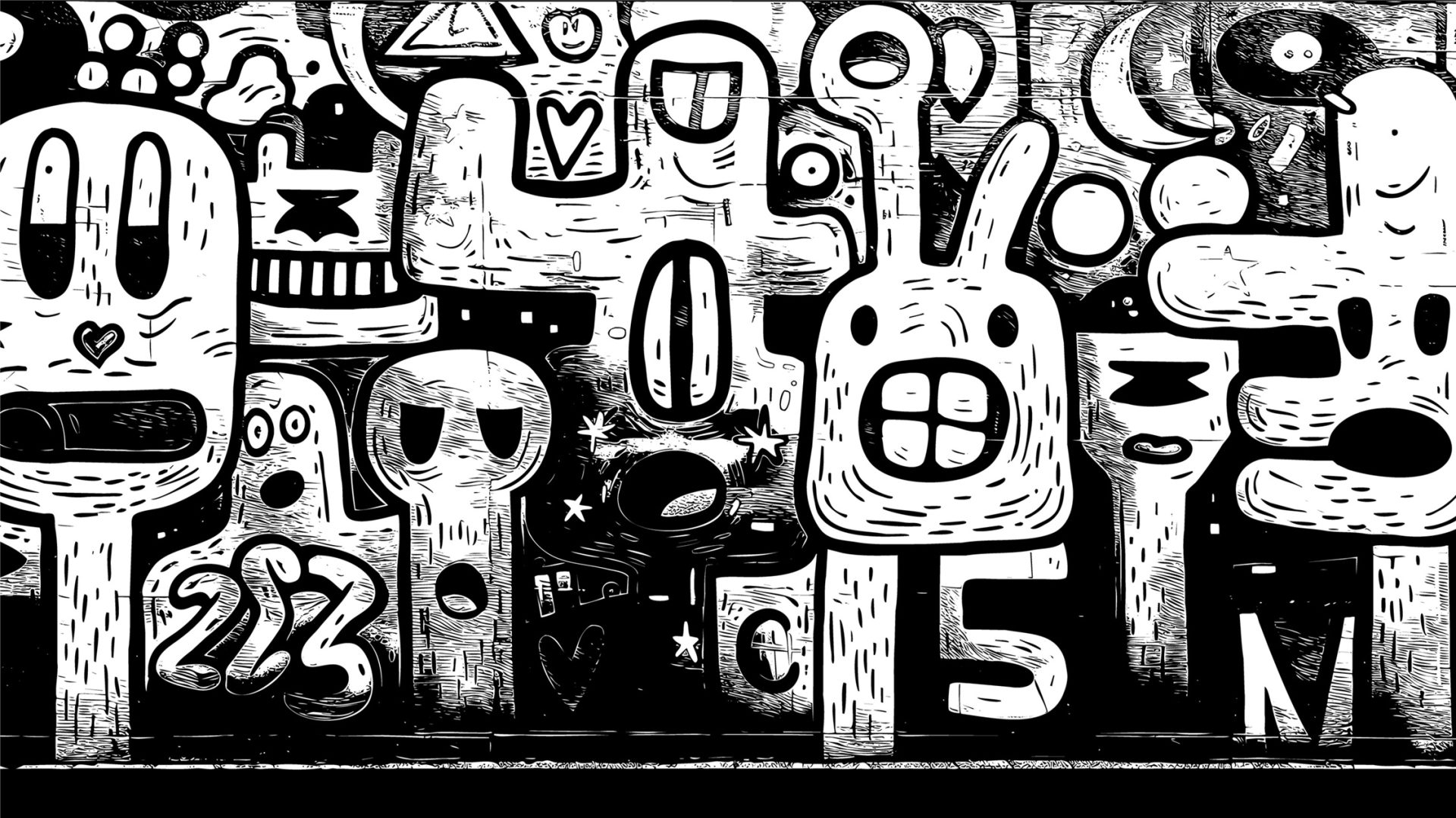
Street Art and the Urban Environment: How Street Art Can Improve the Quality of Life in Cities
A different lens on the city
Street art was born as a form of immediate, direct communication, immersed in the environment. Unlike museum works, which exist in a dedicated space, murals are an integral part of the urban fabric: they interact with the street, with traffic, and with the people who pass by that wall every day.
This direct connection to everyday life has a significant consequence: street art changes the perception of places. Gray, anonymous, or degraded areas can be reborn thanks to a striking work, capable of giving character and meaning to otherwise insignificant architecture. It’s not just about beautifying: it’s about restoring an identity to forgotten parts of the city, creating an emotional connection between citizens and the spaces they inhabit.
Urban regeneration and quality of public spaces
Many street art interventions are now being incorporated into urban regeneration projects. This is because street art has the power to trigger transformation processes far beyond mere aesthetic renewal.
- Reduction of perceived degradation
Studies on “Broken Window Theory” demonstrate that visual degradation—dirty walls, abandoned spaces, vandalism—increases the perception of insecurity. A large, well-maintained mural completely changes this dynamic: it communicates presence, care, and planning.
Where there is care, vandalism decreases. Where there is beauty, citizens tend to respect the space more.
- Enhancement of otherwise unused spaces
Many cities are exploiting blank walls, bridges, underpasses, and abandoned industrial buildings to transform them into “urban canvases.” This technical choice also has significant environmental value: reclaiming existing surfaces avoids the use of new land and improves the appearance of areas often perceived as architectural barriers or unsafe passageways.
- Stimulating social development
Contemporary street art interventions often involve schools, associations, and neighborhood networks. This co-creation process fosters a sense of belonging, strengthens social cohesion, and creates community. A city that recognizes itself in the art it produces is a more vibrant, participatory, and resilient city.
A psychological impact too
Street art isn’t just color: it’s experience. Walking along a path decorated with murals, suddenly encountering a work that tells a neighborhood story or prompts reflection—all of this generates emotion, breaks the routine, and stimulates the imagination.
- Reducing urban stress
Color has a powerful psychological effect. Walls painted in warm hues, harmonious figures, and natural or abstract elements can help reduce daily cognitive load, making walking or waiting at a traffic light less overwhelming.
It’s no coincidence that more and more architects and urban planners are talking about “neuro-urbanism”: the idea that the way we build cities directly influences our mental health.
- Perception of safety
A well-maintained and visually interesting space increases the perception of safety without the need for invasive interventions such as barriers or constant surveillance. Street art—especially when placed on pedestrian walkways, otherwise isolated streets, or underpasses—can make spaces more welcoming and popular.
- Inclusion and Representation
Many contemporary murals address social issues: gender equality, multiculturalism, the environment, and historical memory. The presence of inclusive representations helps many communities, often overlooked by institutional discourse, feel seen.
Street art and urban economy
Beyond the social aspects, street art also has documented economic benefits:
- Increased tourist appeal: many cities—from Berlin to Lisbon, from Bristol to Melbourne—have become veritable open-air museums. Guided tours, exhibitions, and festivals are springing up.
- Increased real estate value: neighborhoods regenerated through public art often attract greater residential and commercial interest.
- Opportunities for young artists and creatives: festivals, public tenders, and collaborative projects generate jobs and professionalism.
Street art is often one of the ingredients in “placemaking” processes: creating places that have meaning, generate experiences, and attract residents and visitors.
When street art meets sustainability
The combination of “street art + sustainability” is increasingly central. Not only because aesthetic redevelopment increases livability, but also because many contemporary artists and projects integrate environmental issues and eco-friendly materials.
- Green walls and eco-friendly murals
Some interventions combine painting and vegetation: murals that become “vertical gardens” or integrate with existing green walls. In addition to their aesthetic value, these projects contribute to the absorption of CO₂ and thermal insulation of buildings.
- Photocatalytic paints
More and more projects use special paints capable of absorbing polluting particles such as NOx and PM10. These paints, thanks to sunlight, activate a process similar to photosynthesis, purifying the surrounding air.
For an innovative and sustainable brand like Raptech, this technological evolution bridges the world of creativity with that of measurable environmental impact.
- Ecological messages and narratives
Street art is also a powerful form of communication for environmental issues. Murals denouncing pollution, works dedicated to water, biodiversity, or the energy transition have become true symbols of cultural mobilization.
Conclusion
Street art isn’t just decoration: it’s transformation. It’s a simple yet powerful tool for improving the urban environment, generating psychological well-being, increasing perceived safety, and fostering social connections. As cities seek new ways to become more sustainable, livable, and humane, public art plays a strategic role. Supportive of communities, culture, and innovation, street art proves to be a concrete lever for improving the quality of life in our cities. This potential, combined with green technologies and urban sustainability projects—such as those promoted by dynamic and visionary organizations like Raptech—can help build a new vision of the city: colorful, participatory, healthier, and more aware.