

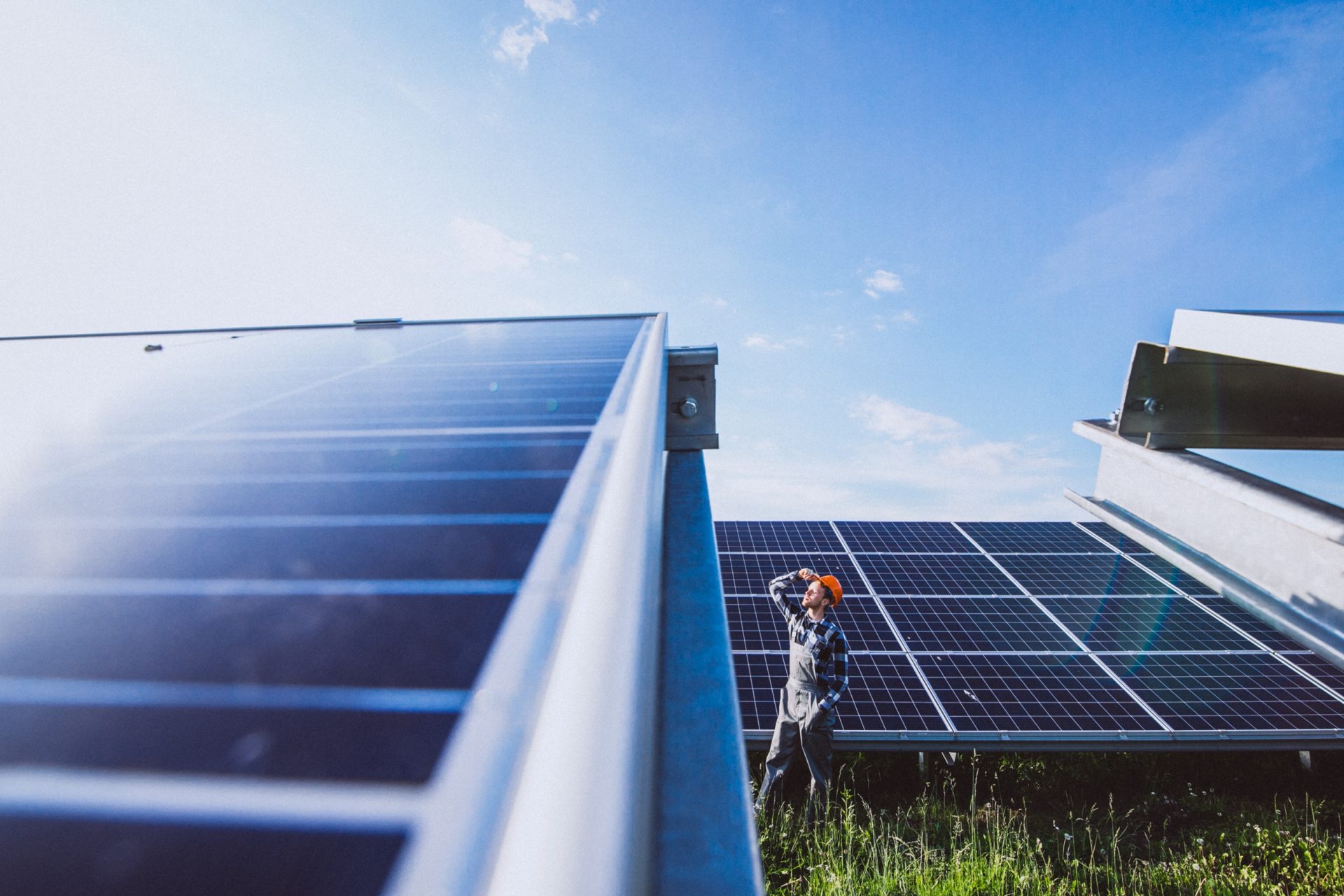
In recent years, the expansion of photovoltaic systems in Italy has reached unprecedented levels. Between January and June 2024, 3.34 GW of new photovoltaic power were installed, an increase of 145% compared to the same period in 2023. In total, as of June 2024, 1,763,977 photovoltaic systems were in operation for a total power of 33.62 GW. This growth was mainly driven by large-scale (utility-scale) plants, which recorded an increase of 240%. This notable growth reflects the country’s commitment to greater energy sustainability and the adoption of renewable sources.
A key factor in maximizing the efficiency of these systems is energy storage. Storage systems allow you to store excess electricity produced from renewable sources, making it available when needed and increasing the flexibility of the electricity grid. These not only balance supply and demand, but also stabilize the electricity grid, effectively integrating renewable sources.
How Photovoltaic Storage Works
Energy storage is essential to optimizing the use of photovoltaic systems. This system allows you to store excess electricity produced during peak solar hours, to then send it back to the grid or use it when production is low.
The heart of storage systems are batteries, which transform solar energy into chemical energy, and then convert it back into electricity.
The process of storing energy in photovoltaic systems is essential to optimizing the use of solar resources. It starts with solar panels that capture solar energy, converting it into direct current (DC) electricity. This energy is then transferred to a storage system, usually consisting of batteries, which stores it for future use.
The next step is the conversion of the stored energy. Batteries store energy in the form of direct current, but to power most appliances and devices, conversion to alternating current (AC) is necessary. An inverter does this, making the energy usable for home consumption or for being fed into the electricity grid.
Imagine the process as a simplified diagram: solar energy is collected by panels ➔ stored in batteries ➔ converted from DC to AC ➔ used or distributed.
This technology allows you to make the most of solar energy, reducing grid dependency and supporting a transition to a more sustainable energy future.
Types of Batteries for Photovoltaic Systems
When it comes to batteries for solar systems, the main choices include:
Lead-Acid Batteries: These batteries use lead plates immersed in sulfuric acid. They are known for their lower cost and proven reliability, but they tend to be heavier and bulkier. They also require regular maintenance.
Lithium-Ion Batteries: These batteries offer higher energy density and longer lifespan than lead-acid batteries. They are lighter and more compact, making them ideal for mobile and residential applications, but they do cost more to manufacture. Choosing between these two types of batteries depends on your specific energy needs and the cost you are willing to pay. Lithium-ion batteries, for example, while more expensive, offer greater efficiency and longevity advantages, making them a popular choice for those looking for more advanced renewable energy solutions.
Advantages of Photovoltaic Storage
Integrating storage into photovoltaic systems offers numerous advantages that enhance energy efficiency and sustainability. Let’s see how:
• Optimization of solar energy use: storage allows you to use solar energy as soon as it is available, storing the excess for times of need, such as at night or on cloudy days. This dynamic system reduces waste and maximizes self-consumption;
• Reduction of energy costs: by using stored energy during peak hours, you can reduce dependence on the electricity grid and therefore save on energy costs;
• Greater energy independence: by using stored energy, users can reduce their dependence on electricity price fluctuations and power outages, gaining greater energy autonomy and stability;
• Optimal energy management: photovoltaic storage allows you to optimally manage the energy produced by solar panels, avoiding waste and optimizing consumption to maximize energy efficiency;
• Reduction of CO2 emissions: by using solar and stored energy, you contribute to the reduction of greenhouse gas emissions and the adoption of more sustainable energy sources;
• Greater energy security: With photovoltaic storage, you have greater energy security in the event of blackouts or emergencies, since you have an alternative source of energy.
In short, photovoltaic storage is transforming the energy sector by making it more sustainable, resilient and innovative.
Overview of Storage Systems in Italy
The landscape of storage systems in Italy is constantly evolving, with different segments showing different trends. Here is a summary of the main trends and developments:
Storage Segments
1. Residential Segment: recorded a 25% contraction in the number of installations, mainly due to the end of the Superbonus 110%. Power and capacity also decreased by 31% and 29% respectively;
2. Commercial-Industrial (C&I) Segment: saw an 18% decline in the number of installations, with a 29% reduction in power and 11% in capacity;
3. Utility Scale Segment: grew significantly, with a 133% increase in the number of units installed, a 532% increase in power and a 2877% increase in capacity. This segment is driven by the plants that won the capacity market auction and by merchant plants.
Among the successful projects, Enel’s TES and Energy Dome’s CO2 battery stand out. These innovations are concrete examples of Italy’s commitment to sustainable and advanced storage solutions. By using common materials and innovative technologies, these projects reduce dependence on rare materials and improve energy efficiency.
National policies play a key role in supporting this growth. Government incentives and tax breaks are encouraging the adoption of storage systems, although bureaucratic hurdles remain. With improved permitting and infrastructure, Italy can consolidate its position in the global storage market.
Future of Energy with Photovoltaic Storage
The future of PV storage looks bright, with trends pointing to the increasing integration of renewables into the electricity grid. As PV installations continue to expand, the capacity and power of storage systems will follow suit, improving the stability of the electricity grid. Italy is expected to have the highest share of new energy storage systems in Europe in the coming years, thanks to the optimization of renewable energy production and grid stability. Events such as the ‘Power Up Your Future ESS Experience Day’ organized by Sungrow, have highlighted the importance of storage systems in achieving carbon neutrality by 2050.
Experts predict significant technological developments, including new innovative solutions such as PowerTitan 2.0 and PowerStack 200CS, which promise to improve grid stability and reduce energy costs. This progress, combined with greater collaboration between stakeholders, could usher in an era of more efficient and sustainable storage systems.
The safety of energy storage systems (BESS) and their ability to maintain the stability of the electricity grid will become increasingly important. Technologies such as grid-forming will ensure the long-term stability of new energy systems
Policies in favor of renewable energy will continue to support the growth of the sector. Government incentives and environmental regulations will play a crucial role in accelerating the transition to a cleaner energy future.
In summary, the future of energy with photovoltaic storage promises to be an opportunity to facilitate the transition to a more sustainable, efficient and resilient energy system, contributing to the reduction of greenhouse gas emissions and the fight against climate change.