Raptech Tag

The analysis conducted through R-Cloud opens up a new area of investigation into the digitalisation of photovoltaic plant management. Within the monitored portfolio, deviations remain limited at larger installations but increase significantly at smaller ones. Raptech comments: “These findings highlight the importance of having tools that can promptly identify and interpret what is happening at each individual installation.”

Rome, October 2026

How much can digitalisation improve the efficiency of managing a portfolio of photovoltaic installations? And how much value can be generated by the ability to automatically cross-reference actual energy production, expected incentives and payments received?

These questions have prompted Raptech to develop a new area of analysis through R-Cloud, its asset management platform, with the aim of examining some of the factors shaping the financial and administrative management of photovoltaic installations in Italy.

The first finding concerns the relationship between advance payments made by the Energy Services Manager (Gestore dei Servizi Energetici, GSE) and the subsequent final settlement for installations receiving incentives under the Conto Energia scheme.

Under this mechanism, installations with a capacity above 20 kW receive monthly payments calculated on the basis of production over the previous twelve months. The reference data is updated four times a year—in January, April, July and October—while the final settlement is calculated using the actual energy production measured during the relevant year

A deviation between these two figures is therefore normal and expected under the way the system operates.

Raptech’s analysis does not focus on the existence of such deviations, but rather on their magnitude and, above all, on the ability to identify cases in which the difference exceeds what can reasonably be attributed to the standard advance payment and final settlement mechanism.


The Data: limited differences at larger installations, sSignificantly wider gaps at smaller sites

In 2024, the portfolio monitored through R-Cloud managed hundreds of millions of euros in expected GSE incentive payments, including advance payments and final settlements.

At the time of the analysis, 2.43% of the total amount remained unpaid compared with the figures calculated by the algorithms developed by Raptech. In 2023, this share stood at 1.86%.

The overall figure therefore appears relatively limited, but breaking it down by installation size reveals a much more complex picture.

For installations with a capacity exceeding 1 MW, the deviations identified generally range between 1% and 3%, levels consistent with the effects of the standard advance payment and subsequent settlement mechanism.

For installations below 200 kW, however, Raptech’s portfolio analysis reveals deviations exceeding 50%.

A discrepancy of this magnitude is difficult to explain solely by the quarterly schedule used to update advance payments.

Possible explanations include delays or inconsistencies in the communication of energy production measurements. When data is unavailable or transmitted late, advance payments may fail to reflect actual production in a timely manner, and the resulting difference can become significant at the final settlement stage.

This issue can be particularly relevant for smaller installations, where the management and continuous monitoring of information flows may be less structured than in large industrial portfolios.


From Data to Insight: the role of digitalisation

This is where, according to Raptech, one of the key benefits of digitalisation in the photovoltaic sector becomes apparent.

Having access to data alone is not enough. The decisive step is the ability to automatically cross-reference information from different sources, identify discrepancies and turn them into alerts that operators can act upon.

Every month, R-Cloud compares actual energy production measured at the installations with the amounts credited by the GSE, isolating the portion of the discrepancy that exceeds what would be expected under the standard advance payment and final settlement mechanism.

The same process enabled Raptech to identify a particularly high concentration of discrepancies among smaller installations within the portfolio analysed in 2024.

“The final settlement is not a system error; it is an integral part of how the mechanism is designed,” explains Marco Berliocchi, CEO and co-founder of Raptech. “From our perspective, the key question is how much of the discrepancy is normal and how much may indicate a missing measurement, a data mismatch or a situation that requires further investigation. Doing this manually means cross-referencing GSE data, production readings and information from the various parties involved, month by month and installation by installation. When managing hundreds of assets, technology becomes essential.”


Towards a Raptech Observatory on the digitalisation of the photovoltaic sector

This initial analysis is part of a broader initiative through which Raptech aims to progressively share aggregated insights from the digital management of photovoltaic installations with the market.

The objective is not to develop statistics that are representative of the entire Italian photovoltaic fleet, but to use a real-world asset portfolio to identify trends, recurring patterns and operational issues that can help explain how photovoltaic management in Italy is evolving.

The result is an observatory grounded in real-world experience, complementing official statistics and focusing primarily on the relationship between technology, asset management and the ability to transform large volumes of data into actionable insights.

In a market characterised by a growing number of installations, operators and data streams to manage, digitalisation is gradually reshaping the very concept of asset management: moving beyond simple production monitoring towards an integrated approach to technical, financial and administrative performance.

The first data for 2025, which remain preliminary because year-end settlements have not yet been fully processed, indicate further developments in the trend observed.

Raptech will publish an updated report with final figures in the coming months, together with further insights emerging from the aggregated analysis of the portfolio managed through R-Cloud.
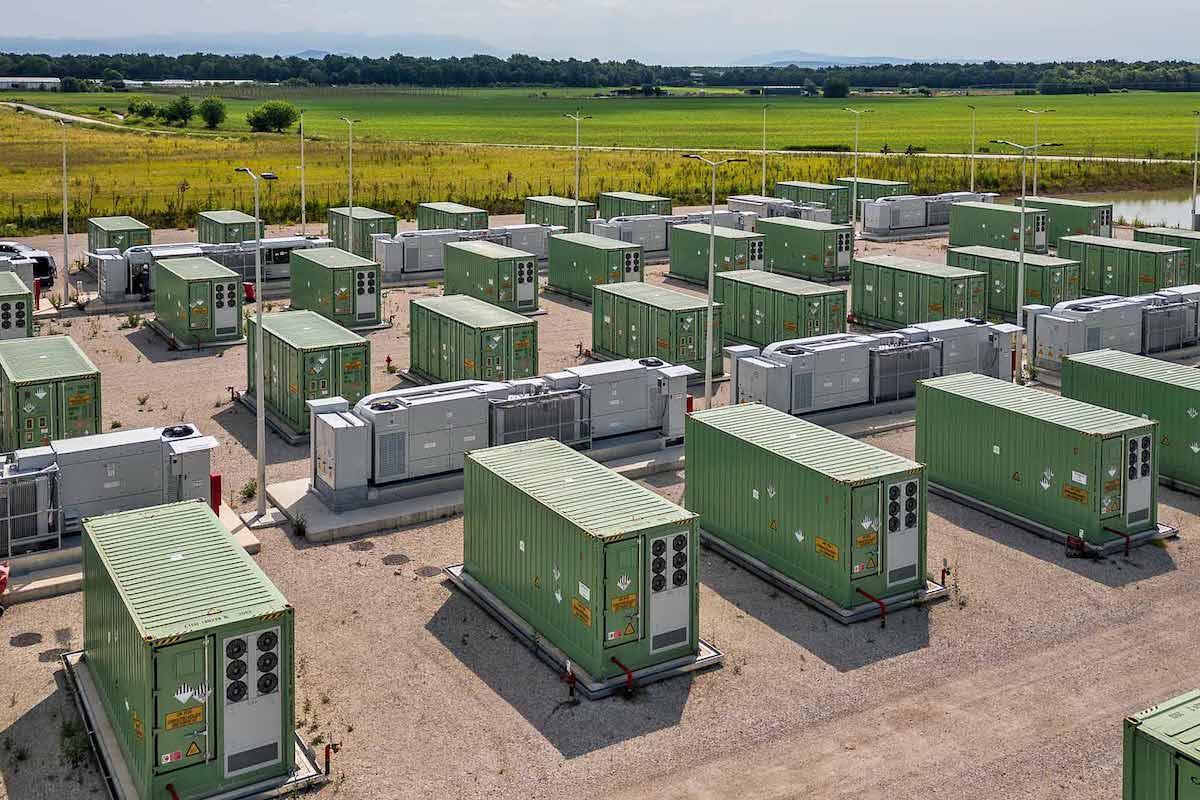
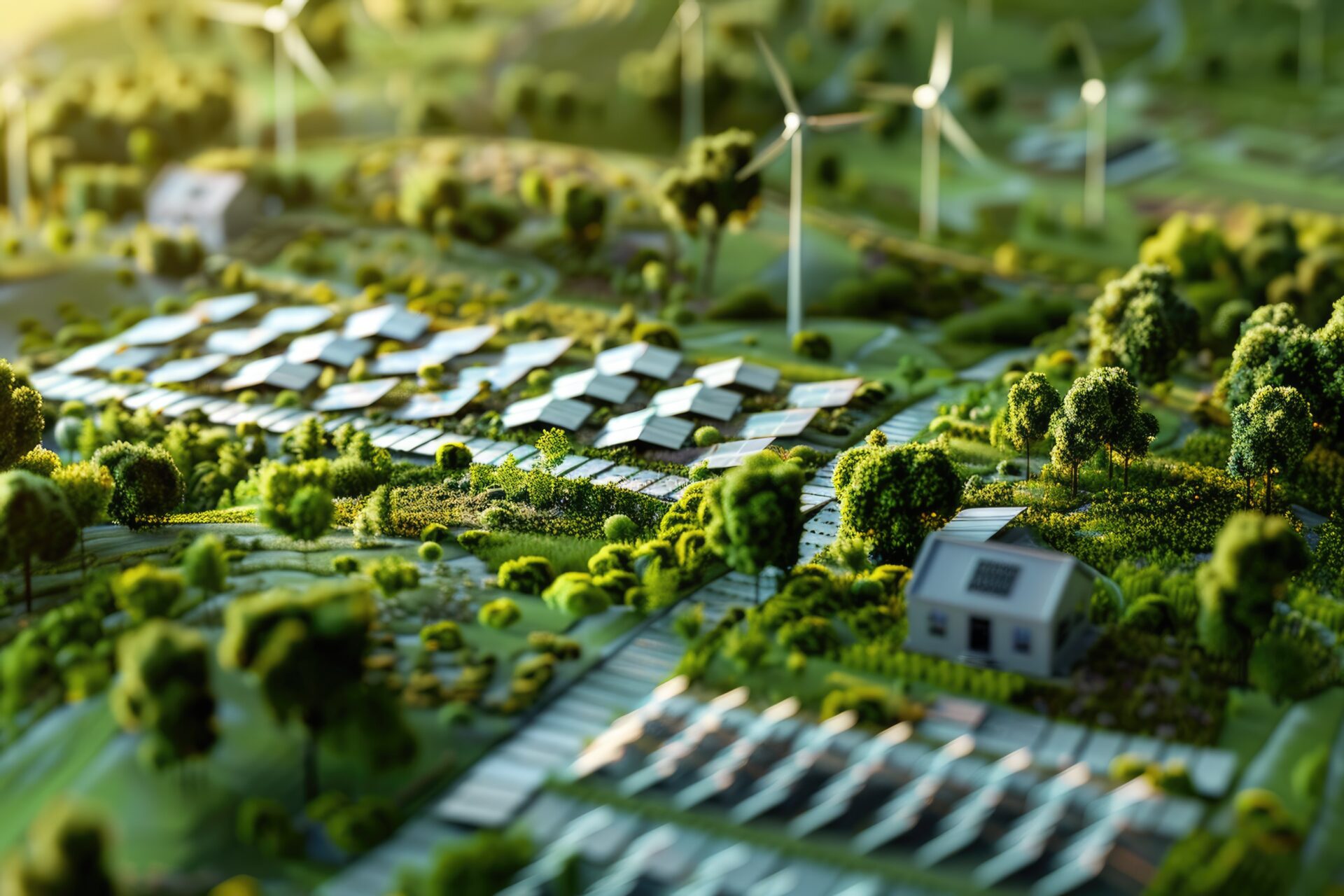
The growth of renewable energy sources is changing the way energy is produced and used. Solar and wind power help reduce dependence on fossil fuels, but they have one characteristic that makes electricity grid management more complex: their output is variable and depends on weather conditions.

For example, solar panels generate most of their electricity during the middle of the day, while a company’s energy consumption may be concentrated at different times. It is therefore necessary to find systems capable of storing energy when it is available and making it usable when needed.

In this context, BESS (Battery Energy Storage Systems), which store electrical energy in batteries, are becoming increasingly important. These solutions can help manage renewable energy generation more effectively, optimise energy consumption and increase the flexibility of energy systems.


What is a BESS and how does it work?

A BESS is an integrated system that enables electrical energy to be stored and released at a later time, according to the needs of the facility or the power grid.

The energy can come from the electricity grid or from a generation system, such as a solar photovoltaic installation. During charging, the energy is converted and stored in the batteries. When it is needed, the system makes it available again in the form of electrical energy.

A BESS is therefore more than just a battery pack. It consists of several components that work together to manage energy storage, power conversion and the safety of the entire system.

The main components include:

  • Battery System: comprises the cells, modules and racks that make up the energy storage system;
  • Battery Management System (BMS): monitors parameters such as state of charge, temperature, voltage and current, helping keep the batteries within safe operating limits;
  • Power Conversion System (PCS): converts energy between direct current (DC), used by the batteries, and alternating current (AC), used by the grid and electrical installations;
  • Energy Management System (EMS): coordinates system operation and determines when to charge or discharge the batteries based on the available data;
  • Auxiliary systems: include, among other components, cooling, air conditioning and fire protection systems, which are essential for the proper operation of the installation.

Together, these components enable a BESS to become an integral part of the energy infrastructure rather than being viewed simply as an energy storage system.


Where are BESS Used?

Energy storage systems can be used in a variety of settings, ranging from large-scale energy infrastructure to industrial facilities.

In utility-scale applications, BESS are connected to the power grid and can help balance electricity supply and demand, manage energy generated from renewable sources and provide flexibility services to the grid.

A second key application area is Commercial & Industrial (C&I), where the system is installed to serve a business or industrial facility. In this case, energy storage can be integrated with solar photovoltaic installations and other on-site energy generation or consumption systems.

BESS are also used in microgrids and Renewable Energy Communities (RECs), where energy storage can help better align electricity generation with consumption and increase the share of available energy that is used locally.


What benefits can a BESS offer businesses?

For a business, the value of an energy storage system goes beyond simply storing electricity. A BESS can become a valuable tool for managing energy consumption and generation more flexibly.

Peak Shaving

One of the most common applications is peak shaving, which involves reducing peak power demand from the grid.

When electricity demand is high, a BESS can supply part of the required energy, reducing the amount of power drawn from the grid at that particular time. The feasibility of achieving this result and the associated financial benefits depend on the company’s consumption profile, system configuration and electricity supply terms.

Maximising Self-Consumption

When a business has a solar photovoltaic installation, electricity generation does not always coincide with the time when energy is consumed.

Energy storage makes it possible to store some of the electricity generated but not immediately used, making it available later, for example during the evening or at other times of higher demand.

In this way, a BESS can help improve the alignment between energy generation and consumption while reducing reliance on electricity purchased from the grid.

Energy Cost Management

An energy storage system can also be used to manage electricity according to price fluctuations and consumption patterns.

When market conditions make it economically advantageous, the system can be programmed to store energy and use it at a later time. The actual benefits depend on price trends, system costs and how the BESS is operated.

Flexibility and Operational Continuity

A properly designed BESS can also help improve the resilience of a company’s electrical infrastructure. Depending on its configuration, it can respond to certain grid disturbances and, in systems designed for islanded operation, help maintain power supply to selected loads.

Here too, performance depends on the system’s technical specifications and the electrical architecture of the installation.


The role of EMS and Intelligent Energy Management

The value a BESS can deliver depends on more than just battery capacity. Intelligent energy management also plays a key role.

The Energy Management System (EMS) collects and analyses data relating to energy consumption, battery status and, where applicable, electricity market conditions.

This information can be used to schedule charging and discharging cycles in line with the installation’s objectives.

Advanced energy management can also integrate data from monitoring and control systems, as well as information on energy consumption. The aim is to make use of available storage capacity at the most advantageous time, avoiding unnecessary cycles and helping preserve battery performance over time.

Digitalisation therefore becomes an essential component of the system: batteries, power electronics and software must work together to maximise the value of the energy storage infrastructure.


BESS and the energy transition

The integration of renewable energy sources requires an enhanced capacity to manage production variability and align supply with consumption. In this context, Battery Energy Storage Systems (BESS) serve as a key tool for increasing the flexibility of the electrical grid.

For businesses, energy storage should not be viewed as an isolated component, but rather as part of a broader strategy that encompasses renewable energy generation, consumption management, digitalization, and energy control.

The value of a BESS therefore depends on how it is sized and integrated into the energy system. There is no “one-size-fits-all” configuration; factors such as facility characteristics, consumption profiles, renewable generation, grid conditions, and operational strategies must all be taken into account to identify the most suitable solution.

From this perspective, Battery Energy Storage Systems represent an increasingly important technology for supporting the transition toward an energy system that is more flexible, efficient, and capable of integrating a growing share of energy from renewable sources.


BESS and asset management: the role of Raptech

When energy storage systems are added to solar photovoltaic installations, the amount of data that needs to be monitored quickly increases. Raptech is extending R-Cloud, its asset management platform, to BESS. The platform currently monitors more than 5 GW of renewable energy installations for some of Italy’s leading operators and international players.

Many of these operators are already adding batteries to their portfolios and want to monitor them alongside their existing installations, within the same environment and using the same reporting tools they rely on for investors and lenders.

Together with clients whose energy storage systems are already operational, we are defining the KPIs to be monitored. Operators managing mixed portfolios need to know whether their storage systems are performing in line with business plan expectations—and to identify deviations in time to take corrective action.

(picture from rinnovabili.it)

Renewable Energy Communities (RECs) are no longer merely a theoretical exercise or an emergency measure for the energy transition: they have become, in all respects, a new model of economic, energy and social organisation for Italy. This was the key message to emerge from the institutional conference held at the headquarters of the CNEL, organised in close cooperation with ENEA, with the participation of senior representatives from the Ministry of the Environment and Energy Security (MASE), ARERA, the GSE, as well as stakeholders from the banking and cooperative sectors and the technology supply chain.

A high-profile event that marked a crucial turning point: the definitive transition of RECs from their “startup” phase towards a phase of structural consolidation. It is no longer enough to install solar panels simply to obtain a short-term economic benefit; what is needed is the creation of integrated ecosystems, territorial service platforms, and a digital and grid infrastructure capable of enabling genuine flexibility across the electricity system.

Against this backdrop of profound transformation, those working in the management, asset management and monitoring of renewable energy plants are facing an unprecedented industrial challenge and opportunity.


The “Network of Networks” and a new constitutional role for intermediary bodies

The proceedings were opened by CNEL President Renato Brunetta, alongside a video message from Minister Gilberto Pichetto Fratin and an address by ENEA President Francesca Mariotti.

Brunetta highlighted how energy communities represent the concrete implementation of Article 99 of the Italian Constitution: a natural arena for intermediary bodies — businesses, workers, third-sector organisations, land reclamation consortia and local authorities — to rebuild social cohesion and help manage the major demographic and energy transitions facing the country.

“Whoever has a network has a treasure. Today, whoever has a network of networks has a treasure raised to the power of ten.”

From a systemic perspective, as confirmed by Minister Pichetto Fratin, RECs represent a safeguard against depopulation in inland and mountainous areas, a tool for tackling energy poverty, and a key pillar for achieving the targets set out in the National Integrated Energy and Climate Plan (PNIEC).

This commitment was formally reinforced during the event with the signing of a Memorandum of Understanding between CNEL and ENEA, which is intended to translate into concrete policy proposals and draft legislation aimed at simplifying and strengthening Renewable Energy Communities.


The current state of play: GSE figures, the NRRP and the funding challenge

The practical implementation of the initiative was discussed by Luca Barberis (Director of Renewable Energy Sources at GSE) and Stefania Crotta (Director General at MASE).

The figures point to an extraordinary level of activity:

  • More than 48,000 NRRP applications submitted as of 30 November 2025;
  • Over 4,500 configurations already qualified or operational, with the potential target effectively doubling compared with the 1.7 GW originally planned;
  • A reallocation of funding to approximately €800 million, together with its transformation into a facility, which secured a crucial operational extension: 24 months from the award date and, in any case, until 31 December 2027 to complete the projects.

However, as Andrea Brugnach (Vice President of Italia Solare) pointed out, the figures for authorised generation capacity alone do not tell the whole story. As of today, operational configurations bring together approximately 37,000 actual members, representing just 0.1% of Italy’s electricity supply points (PODs), with an average of only 10 participants per community.

The real risk? Ending up with thousands of completed installations but “dwarf” configurations lacking a meaningful volume of electricity consumers. To prevent this from happening, GSE and MASE are working to shorten the time required to recognise and settle the incentive tariff, reducing the gap between advance payments and final adjustments in order to provide almost real-time feedback on consumption behaviour. They are also working to redirect any remaining funds towards covering applications currently left on the waiting list.

Regulation and the energy market: flexibility, demand response and on-bill cost separation

The shift from “passive producer” to active prosumer is bringing about profound changes in the management of both distribution and transmission networks.

Livio De Santoli, a Member of the ARERA Board, outlined the regulatory priorities for the next seven years, which he described as “the seven years of the energy revolution”:

  1. Valuing shared energy and separating network charges on electricity bills: following the launch of proceedings in late June 2026, the Authority aims to remove network tariff components directly from electricity bills for energy that is simultaneously generated and consumed locally.
  2. Managing intermittency and Demand Response: Italy continues to face high energy costs due to its dependence on gas. Decoupling electricity prices from gas requires greater demand-side flexibility, coordinated through energy storage systems and the ability to modulate consumption.
  3. Grid connection infrastructure: with connection requests for ground-mounted renewable projects amounting to 10–15 times the PNIEC targets, MASE has already allocated €270 million to Distribution System Operators (DSOs) for new primary substations and switching stations, and €400 million to Terna (TSO) to make the grid smarter and more resilient.


The Roundtable: Finance, Bankability and the “Beyond the Incentive” Challenge

Moderated by Matteo Caldera (ENEA), the first roundtable focused on the key issue of the economic sustainability of RECs once the current incentive schemes come to an end.

  • The banking sector (ABI, Banca Etica, Federcasse): Angelo Peppetti (ABI) and Paolo Vierucci (Banca Etica) highlighted the need for a dedicated section for RECs within the SME Central Guarantee Fund, with a revolving leverage mechanism, as well as the standardisation of business plan methodologies. With more than 150 RECs in its portfolio, Banca Etica has demonstrated how applying an Impact Appetite Framework (ESG) can reward investment quality. Gianni Parigi (Federcasse) referred to the Tuscan model of a regional credit cooperative, designed to protect the mutualistic value of the cooperative model while supporting local installers.
  • Regional financial institutions and One-Stop Shops: Carmelo Campagna (ANFIR) emphasised that regional public financial institutions can represent the final link needed to build bankable value chains and aggregate projects, while Benedetta Brighenti (RENAEL) illustrated the decisive role of local energy agencies as One-Stop Shops — also envisaged under the EPBD — in supporting citizens and public authorities in the transition towards a Positive Energy District (PED).
  • Consumers and the third sector: Tiziana Toto (Cittadinanza Attiva) and Alessandro Caffi (CEI) stressed that without trust, transparent statutes and clear, accessible language, citizens will never be willing to join.


From theory to the field: service platforms and enabling technology

The second roundtable, moderated by Paolo Zangheri (ENEA), brought together representatives from the cooperative sector (Maria Adele Prosperoni of Confcooperative and Giorgio Nanni of Legacoop, with the Respira project), industry associations and industrial operators.

Two technical contributions provided a clear picture of the role of digitalisation:

  • Michele Vitiello (IFEC / WEC Italia): he focused on the energy trilemma — security, affordability and sustainability. As the energy system shifts from a hierarchical to a distributed model, RECs are becoming intelligent nodes, comparable in some respects to blockchain networks, that must safeguard cyber resilience while managing demand to prevent grid congestion.
  • Violetta Scipinotti (E2.0) and Alfonso Bonafede (Federesco): they urged stakeholders not to treat RECs “like an endangered panda that needs to be protected with public money”, but rather as hybrid entities capable of doing business while redistributing social value. From local micro-welfare applications enabled by multichain tokens to leveraging the Conto Termico 3.0 scheme and EPC contracts, the REC evolves from a simple electricity configuration into a genuine multi-service platform.

As Sergio Olivero (Politecnico di Torino – Tenval Group, CNEL) aptly put it, RECs are, first and foremost, “data reservoirs.” The precise management of 15-minute readings, the calculation of simultaneity between generation and consumption, the monetisation of carbon credits, and interoperability between inverters, batteries and industrial loads represent the true economic frontier for these entities.

Raptech’s perspective: data as the cornerstone of distributed energy

The conclusions drawn by Paolo Pirani (CNEL Board Member) and Raffaele Morese (Associazione Nuovi Lavori) set a clear objective: Italy needs a national coordination task force and a stable regulatory framework to channel the energy of civil society and avoid trying to “drive a Formula 1 car with the handbrake on.”

For operators in the photovoltaic and renewable energy sectors, the message from the conference is crystal clear: the era of subsidised passive installations, regardless of how they are actually used, is over.

A REC can only thrive and generate returns for its members if it:

  1. Monitors energy flows in real time at every point across the network to maximise the share of energy that is effectively shared;
  2. Integrates and controls photovoltaic generation, energy storage systems, EV charging stations and the electrification of thermal loads;
  3. Ensures data reliability and transparency to facilitate access to bank financing, reporting to GSE and the fair distribution of benefits among members.

In this new paradigm of shared energy, IT infrastructure, advanced monitoring and cloud-based energy management platforms are not an ancillary cost: they are the true engine that transforms bureaucratic complexity into economic, environmental and social value for local communities.

When analyzing the performance of a photovoltaic plant, attention is typically focused on gross energy production, the Performance Ratio (PR), and inverter availability.

Yet there is a category of losses that rarely appears on standard monitoring dashboards, despite accumulating quietly month after month: auxiliary power consumption and reactive power.

Across medium- to large-scale PV portfolios, these hidden losses can amount to tens of thousands of euros in lost revenue each year. Over the lifetime of an investment, even the most conservative financial models can no longer afford to overlook their impact.

  1. Auxiliary Power Consumption

Auxiliary power consumption refers to the electricity drawn from the grid to keep the plant’s internal systems operational. The main sources include:

  • Standby inverter consumption (control circuits operating 24/7)
  • Monitoring, data logging, and communication systems
  • HVAC and ventilation systems for electrical substations and switchgear rooms
  • Lighting, perimeter security, and intrusion detection systems
  • Anti-condensation heaters for transformers and electrical switchgear
  • Tracker motors (in single-axis or dual-axis tracking systems)

For a 10 MWp photovoltaic plant generating approximately 14 GWh per year, even a relatively modest level of auxiliary power consumption—around 1–1.5% of gross energy production corresponds to 140,000–210,000 kWh annually drawn from the grid. At an electricity purchase price of approximately €0.12–0.13/kWh, this represents an annual operating cost of €17,000–27,000 per plant, increasing almost linearly with the size of the managed portfolio.

The real issue, however, is not only the direct cost. Auxiliary consumption is rarely monitored systematically or accurately allocated within the management accounting of individual Special Purpose Vehicles (SPVs). An abnormal increase in nighttime consumption is often the earliest indicator of an emerging fault, long before daytime production data reveals any measurable deviation. A malfunctioning cooling fan, an inverter operating outside its expected standby consumption, or an unintended electrical load left energized can all remain unnoticed without granular consumption data, allowing unnecessary costs to accumulate quietly for weeks or even months.

The situation is further complicated by seasonality. Auxiliary power consumption is not constant throughout the year: HVAC systems in electrical substations consume significantly more energy during the summer months, while anti-condensation heaters increase their contribution during cold and humid periods. Establishing a monthly historical baseline, rather than relying on an annual average, is the only reliable way to distinguish normal seasonal variations from anomalies that require investigation.


  1. Reactive Power: a Technical Concept with Direct Financial Implications

Electrical energy consists of two distinct components:

  • Active Energy (kWh): the useful energy that performs work, is generated by the plant, and is financially remunerated.
  • Reactive Energy (kVArh): the component that oscillates within the electrical network without performing useful work. Although it does not directly produce energy, it is essential for supplying the inductive and capacitive loads present in the plant.

The relationship between these two components defines the power factor (cos φ). A power factor of 1 represents the theoretical ideal. In practice, however, transformers, cables, and the EMC filters within inverters inevitably introduce a reactive component that is measured at the grid connection point.


Penalties in Italy

Under the regulatory framework established by ARERA (Resolution ARG/elt 199/11), medium-voltage (MV) connected generators are required to maintain their power factor within the range of 0.90 lagging (inductive) to 1.00. When the power factor falls below this threshold, the distribution system operator may apply reactive energy charges directly to the electricity bill, with penalties increasing as the power factor deteriorates.

The tariff structure generally includes a no-charge tolerance band, an intermediate charging band with limited costs, and a higher-penalty band for power factor values below 0.70 or for unmanaged capacitive reactive energy. For plants connected to the high-voltage (HV) network, the applicable requirements are defined by Terna’s Grid Code and the CEI 0-16 standard, which impose even stricter requirements for dynamic reactive power control.

The paradox for photovoltaic plants is that they can simultaneously generate revenue-producing active energy while consuming billable reactive energy. This situation is particularly common during nighttime hours, when auxiliary systems remain in operation even though no solar generation is available to offset the reactive demand. As a result, the point of common coupling (PCC) records a net import of reactive energy, which the distribution system operator bills independently of the plant’s energy production performance.

The main sources of reactive power in a photovoltaic plant are MV/LV transformers, which continuously absorb inductive reactive power even under no-load conditions, connection cables, inverter LC filters, and the inverter firmware configuration itself.

This last aspect is often overlooked: many inverters are commissioned with factory default settings at unity power factor (cos φ = 1), without accounting for the reactive power already absorbed upstream by transformers at the metering point. A periodic review of inverter settings, based on reactive power profiles recorded by the meter, can eliminate penalty charges without requiring any hardware modifications. For poorly configured or unmonitored plants, monthly penalties per site can range from a few hundred to several thousand euros.


  1. Priority Actions

On the operational side

The starting point is the systematic acquisition of the quarterly (15-minute) meter profiles at the grid connection point (registers 1.8.0, 2.8.0, 3.8.0, 4.8.0). These datasets, available through the e-Distribuzione portal or via direct remote metering, contain all the information required to calculate both nighttime auxiliary consumption and the average monthly power factor.

Analyzing active energy consumption during nighttime hours (21:00–06:00), and comparing it against a historical baseline built over at least 12 months, makes it possible to detect anomalies well before they become visible in production reports. A deviation greater than 15% compared to the historical average for the same month of the previous year is a reasonable operational threshold to trigger a technical inspection. The average monthly cos φ for each plant should become a standard KPI in operational reporting, alongside Performance Ratio and inverter availability.

A further best-practice control is the systematic comparison between gross energy production recorded by the LV production meter and the energy injected into the grid recorded by the MV export meter. The resulting difference, normalized against gross production, represents the plant’s total internal losses, including transformer losses, cable losses, and auxiliary consumption. A persistent gap exceeding 3–4% should be treated as a priority issue requiring investigation.


On the asset governance side

At the contractual and asset management level, it is considered best practice to define a threshold for auxiliary consumption (e.g., ≤ 1.5% of annual gross energy production). This helps incentivize active monitoring by the asset manager and makes a typically opaque cost item measurable and enforceable within contractual frameworks. To be effective, such a threshold should be complemented by monthly reporting of the metric and a clear escalation procedure in case of exceedance.

Reactive energy penalties, on the other hand, should be treated as a structural recurring cost in asset valuation models, rather than as an extraordinary expense to be accounted for only when the utility invoice arrives. In long-term financial models, a conservative estimate of expected penalties—based on historical reactive power profiles—should be included among recurring operating expenses. This approach improves the accuracy of financial projections and, more importantly, creates the right incentive to proactively optimize plant configuration.


Conclusion

The efficient management of a utility-scale photovoltaic plant does not end with maximizing gross energy production. It also requires granular control over less visible items those that do not appear in irradiance charts but nonetheless erode operating margins with the same consistency.

In a market where returns are tightening and competitive pressure on contracts is increasing, the advantage belongs to those who monitor better, not because they operate newer assets, but because they know where to look.


Technical Notes and Regulatory References

  • ARERA, Resolution ARG/elt 199/11 — Tariffs for connection to and use of electricity distribution networks.
  • ARERA, Resolution 654/2015/R/eel — Regulation of transmission service quality.
  • Terna — Grid Code, Annex A70 — Technical requirements for connection to the high-voltage grid.
  • CEI 0-21 — Technical reference standard for the connection of active and passive users to low-voltage (LV) networks.
  • CEI 0-16 — Technical reference standard for the connection of active and passive users to medium- and high-voltage (MV/HV) networks.

There are events that showcase new products. And then there are events that help us understand where an entire industry is headed.

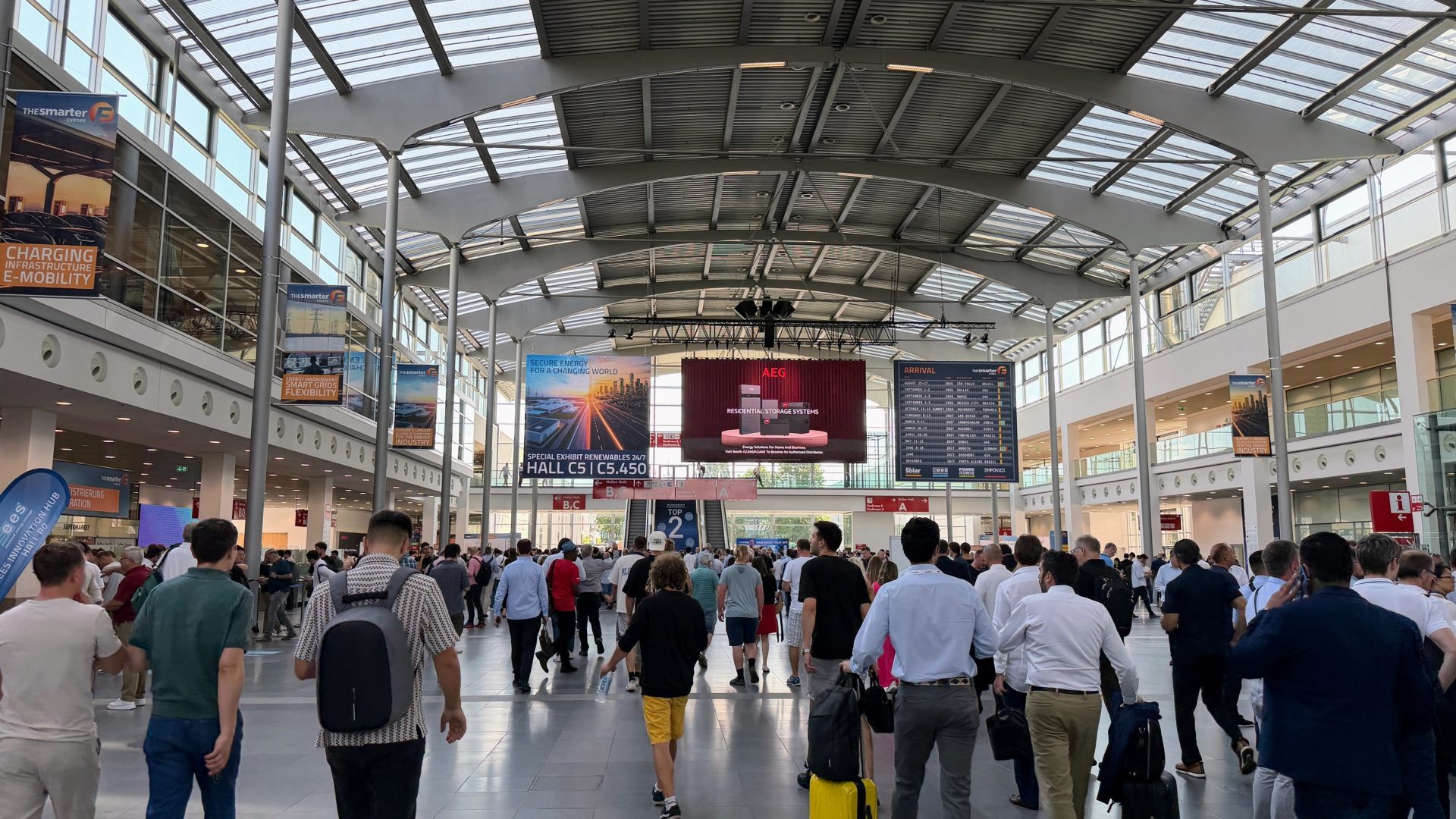
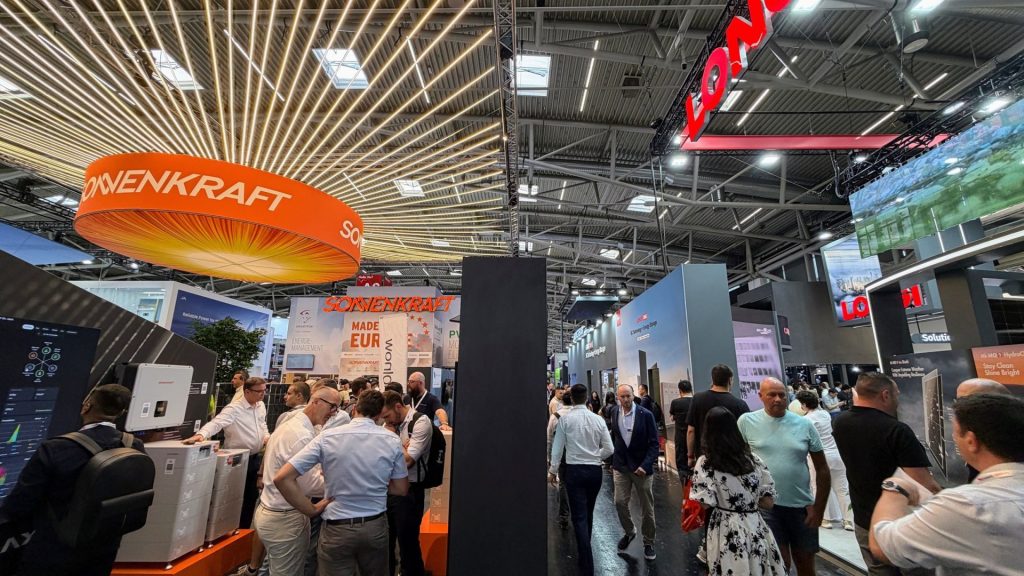
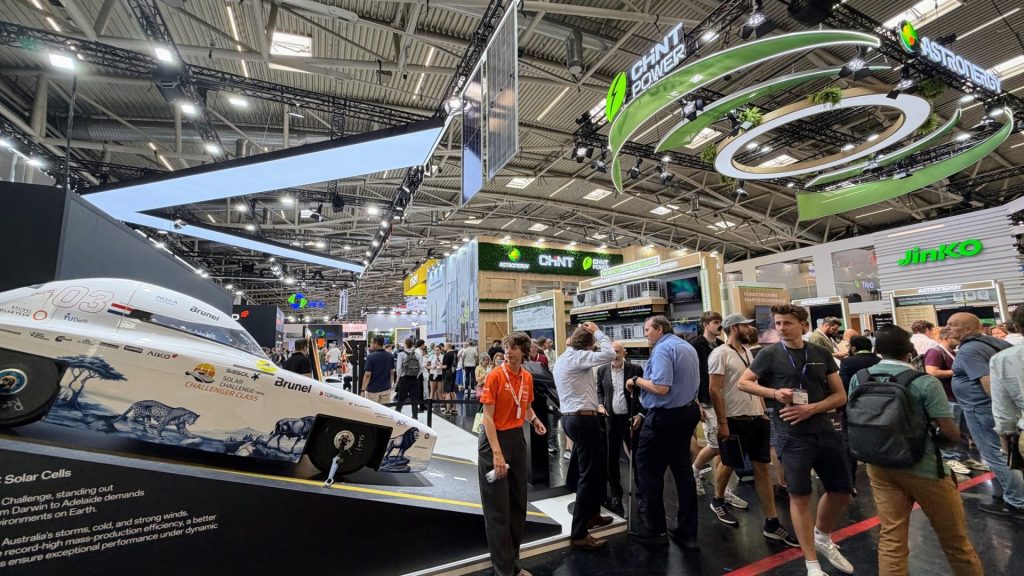
From June 23 to 25, 2026, the Messe München exhibition center hosted the latest edition of Intersolar Europe, the leading international trade fair for the photovoltaic, energy storage, and clean energy technology sectors. The event took place as part of The smarter E Europe, Europe’s largest platform for the energy industry, bringing together the key players driving the energy transition.

For those who work in the energy sector every day, participating isn’t just about visiting a trade show, but also about closely observing market transformations, engaging with international partners, and understanding which technologies will become the standard in the coming years.

The impression was clear from the first moment we entered the pavilions: the sector continues to grow, but above all, it is changing profoundly. It’s no longer just about increasingly efficient photovoltaic panels, but about intelligent energy ecosystems, technology integration, and advanced energy management.

This year’s figures speak for themselves: more than 3,000 exhibitors from over 50 countries, approximately 110,000 industry professionals spread across 19 exhibition halls, and more than 200,000 square meters of exhibition space. Intersolar Europe is more than just a trade fair—it is arguably the world’s largest meeting point for the emerging European energy system.

Among the most visited exhibitors was Huawei Digital Power, which unveiled the latest generation of its Smart PV + ESS solutions. The company placed a strong emphasis on the concept of grid-forming technology—systems designed not only to generate electricity but also to actively support grid stability. This is a topic expected to become increasingly important in the coming years, particularly for utility-scale projects.

This year, Raptech once again attended Intersolar Europe, choosing to be in Munich to gain first-hand insight into the latest market developments, engage with leading international players, and explore the technologies that are reshaping the future of the energy sector.

An Event that represents the Global Market

Walking through the exhibition halls, the event’s international scale becomes immediately apparent. Thousands of exhibitors from around the world showcase their latest innovations, forge new partnerships, and discuss the challenges shaping the future of the industry.

The overall impression is of a highly dynamic market, with Europe, Asia, and North America each contributing through different approaches, to accelerating the global energy transition.

Over the past few years, Intersolar has evolved into much more than a trade fair focused on photovoltaics. Today, it is one of the cornerstones of The smarter E Europe, Europe’s leading platform for the new energy world, bringing together solar power, energy storage, electric mobility, charging infrastructure, and energy management. This evolution perfectly reflects the transformation taking place across the real-world energy market.


The Real Star? Integration

If I had to sum up the key message that emerged over these three days in a single word, it would be integration.

For years, the industry focused on improving the efficiency of solar modules while driving down costs. Today, that journey has largely reached maturity. The real challenge now is enabling every component of an energy system to work together seamlessly.

Photovoltaic systems, battery storage, heat pumps, EV charging stations, Energy Management Systems (EMS), monitoring software, and artificial intelligence must operate as a single, integrated ecosystem.

Almost every major manufacturer showcased comprehensive solutions in which hardware and software are combined within the same platform.

The result is greater energy efficiency, reduced waste, and the ability to automatically optimize self-consumption, energy storage, and grid interaction.

For businesses and industrial users, this also means transforming a photovoltaic installation from a simple source of electricity generation into a sophisticated energy management asset.


Batteries, Software, and a new vision for Energy Systems

While in recent years, storage systems were still a rapidly growing but not dominant segment, today the situation is completely different. Batteries are now an integral part of almost all solutions presented.

The growth of renewable sources makes the ability to store energy and use it when actually needed increasingly important. Many companies have presented increasingly scalable modular systems, suitable for both homes and large industrial applications.

Battery Energy Storage Systems (BESS) are the undisputed leaders, becoming increasingly modular, scalable, and high-performance. New platforms reach capacities exceeding 5 MWh per container, while 314 Ah cells are poised to become the new technological standard in the industry. The goal is not just to store energy, but to make it available at the most convenient time, also contributing to grid stability.

Alongside hardware, software is becoming increasingly important. Sungrow, BYD, SMA, and Fronius are presenting integrated platforms that combine inverters, batteries, Energy Management Systems (EMS), and intelligent monitoring. The photovoltaic system thus becomes a system capable of making autonomous decisions, analyzing production, consumption, weather forecasts, and energy price trends.

The message shared by operators is clear: the value of a system will no longer depend solely on how much energy it produces, but on how efficiently it manages it, reducing consumption from the grid and optimizing every available kilowatt-hour.


Artificial Intelligence and Software: the silent revolution

One of the most interesting surprises has been observing how central software is becoming.

An increasing number of manufacturers have introduced platforms capable of using predictive algorithms to optimize consumption, storage, and production.

Artificial intelligence is becoming a tangible part of everyday energy management. It analyzes weather forecasts, historical consumption, energy price trends, and user behavior, suggesting or automatically executing the most efficient strategies.

This transformation will likely change the entire industry over the next five years. System designers will increasingly need to understand not only electrical components, but also digital platforms and data management systems.


Efficiency yes, but also sustainability

While for years, photovoltaic innovation was measured almost exclusively in terms of performance and efficiency, today the concept of sustainability encompasses the entire production chain.

Many of the leading manufacturers present at Intersolar Europe 2026 emphasized reducing the carbon footprint of industrial processes, the use of renewable energy in production facilities, and increasing attention to the traceability of raw materials used in the production of modules, inverters, and storage systems.

Recycling has also become a firmly established topic of discussion. Several companies have launched initiatives dedicated to recovering glass, aluminum, silicon, and precious metals from end-of-life photovoltaic modules, with the goal of increasing material reuse and reducing dependence on new raw materials.

Another particularly interesting aspect concerns product durability. Modules designed to maintain high performance for over thirty years, batteries with an ever-increasing number of charge and discharge cycles, and increasingly reliable inverters represent a concrete contribution to sustainability: increasing a system’s useful life means reducing its environmental impact throughout its entire life cycle.

Finally, there is growing attention to European production and the resilience of the supply chain. Many speakers highlighted the need to develop a more robust and diversified value chain, capable of combining technological innovation, production quality, and greater strategic independence for the European market.

The clear message is that the future of photovoltaics will depend not only on the ability to produce more energy, but also on how this technology is designed, manufactured, used, and, one day, recovered and reintroduced into the production cycle.

Photovoltaics is already looking beyond photovoltaics

The final day offers the opportunity to attend some of the most interesting conferences dedicated to market scenarios. Among the recurring topics is the sharp decline in photovoltaic module prices, a consequence of high global production capacity and increasing competition among major manufacturers. This environment, according to many analysts, will inevitably lead to a process of industry consolidation in the coming years.

At the same time, module technology continues to evolve. LONGi, AIKO, and Trina Solar are focusing on new Back Contact architectures, considered by many to be the natural next step from TOPCon technologies. The focus is no longer solely on declared efficiency, but also on performance in real-world conditions, long-term reliability, and integration with storage systems and digital platforms.

Another key theme is hybrid power plants, in which photovoltaic, storage, wind, and control systems are managed as a single energy infrastructure. This direction reflects the evolution of the entire sector: producing renewable energy is no longer sufficient; it must be made programmable, flexible, and increasingly integrated with the needs of the electricity grid.

Leaving Munich, the feeling is that Intersolar 2026 has confirmed a now evident trend: the future lies not in individual components, but in the ability to bring different technologies together within an intelligent energy system. And it is precisely this integration that represents the true frontier of innovation today.


The ideas we bring home from Intersolar Europe 2026

The 2026 edition of Intersolar Europe delivered a clear message: the energy transition has entered a new phase. The focus is no longer simply on generating renewable energy, but on making it available around the clock through the integration of photovoltaics, energy storage, digitalization, and intelligent grid management. This is the essence of the 24/7 Renewable Energy Supply concept, which shaped much of the event’s agenda.

For Raptech, attending an international event such as Intersolar Europe means engaging with the industry’s leading players, exploring the latest technological developments, and identifying the solutions that will make energy systems increasingly efficient, reliable, and aligned with the real needs of businesses and professionals in the years ahead.

The three days spent in Munich confirmed that the future of solar energy lies in ever more integrated systems, where modules, inverters, batteries, energy management software, and digital energy solutions operate as a single ecosystem. This direction demands multidisciplinary expertise, continuous learning, and the ability to identify the most reliable solutions in a rapidly evolving market.

We return from Munich with fresh ideas, new perspectives, and an even stronger conviction: supporting businesses and professionals through the energy transition means looking beyond the individual installation and designing complete, efficient, and future-ready energy solutions.

This is the value Raptech takes home from Intersolar Europe 2026 and the value it will continue to turn into tangible projects, innovation, and long-term growth alongside its customers.

Since last spring, many photovoltaic industry operators have been confronted with an unexpected event: plants being remotely shut down in the middle of peak production hours. Not because of a fault, and not due to a technical issue. A disconnection command issued by the grid.

This is the tangible effect of ARERA Resolution 23/2026/E/eel, which came into force on March 16. To understand what is happening—and what awaits us during the summer months—it is useful to take a step back.


What is the RiGeDi procedure?

RiGeDi (Reduction of Distributed Generation) is the procedure through which Terna, acting via distribution system operators, can order the remote disconnection of distributed generation plants when electricity production exceeds the grid’s capacity to absorb it. Through this mechanism, Terna can implement extraordinary downward modulation actions by remotely disconnecting distributed generation facilities, thereby ensuring the security and stability of the national electricity system.

The mechanism itself is not entirely new. Annex A.72 of the Grid Code applies to photovoltaic and wind power plants with a total nominal capacity of 100 kW or more connected to medium-voltage distribution networks. What has changed with the February resolution is the rigor with which the procedure is enforced, as well as the economic consequences for operators who have failed to comply with the requirements.


The New Development in Resolution 23/2026: From a Technical Requirement to Economic Enforcement

Until March, many plants were formally equipped for remote disconnection but were not actually operational: non-communicating modems, commands that could not be executed, and failed testing procedures. This was a widespread situation and, for the most part, tolerated. With Resolution 23/2026, ARERA introduced economic enforcement mechanisms for plants that fail to comply with remote disconnection requirements. Remote disconnection is no longer merely a technical requirement to be declared; it is now an operational obligation with direct economic consequences.

The consequences are specific and already in effect. As of March 16, 2026, remuneration for electricity fed into the grid is suspended for non-compliant plants until the required upgrades have been completed. The measure also applies to plants operating under active agreements with the GSE, for which the payment of the amounts due is temporarily suspended until compliance is achieved.


By March 15, 2026, e-Distribuzione submitted to Terna and GSE the list of producers whose modems either do not communicate with the RiGeDi remote-disconnection system or, despite communicating correctly, fail to execute disconnection commands during the required testing procedures. For these plants, the suspension of revenue payments has now been in effect for three months.


Why summer is the most critical time

In the first two months of 2026, Italy’s photovoltaic generation increased by 21% compared with the same period in 2025. As June and July—the peak weeks of solar generation—approach, situations of overgeneration within the distribution network become structurally more frequent and more severe.

Italy’s electricity grid was designed to distribute power, not to manage large-scale bidirectional flows across a highly distributed generation network. Remote disconnection is the tool the system uses to protect itself when local generation exceeds the grid’s capacity to absorb and transport the excess energy. During the summer months, this mechanism is used far more frequently than at any other time of the year. Operators who have not yet regularized their compliance status will face more frequent disconnection events, as well as a continued suspension of revenue payments.

The structural context is well described in SolarPower Europe’s EU Solar Market Outlook 2025–2030: the lack of system flexibility, storage, demand response, and grid digitalization are currently the main impediments to the growth of European photovoltaics. Remote disconnection is, in this sense, an emergency measure that makes up for still-insufficient structural solutions. It works, but the operating costs fall directly on non-compliant operators.


The implications for portfolio managers

For those who manage multiple plants, this introduces a new variable in asset control: it’s not enough to know that a plant is producing. It’s necessary to know whether it has received disconnection commands, how long it has been inactive at the grid’s behest, and whether that inactivity has been correctly recorded for the purposes of reporting incentives and sales revenues.

A plant disconnected at Terna’s behest is not a faulty plant. However, if the production data is not reconciled with the disconnection event, the risk is a silent discrepancy between expected and actual production, with direct implications for incentive control, trader invoice verification, and PPA contract management.


What to do now

Per chi ha impianti ancora non conformi, il tempo utile per intervenire prima del picco estivo si sta esaurendo. Le azioni prioritarie sono verificare lo stato del modem di teledistacco, riscontrare l’esito delle prove effettuate dal distributore e, se il blocco dei ricavi è già scattato, attivarsi per ottenere la riattivazione delle partite economiche sospese presso il GSE.

For those already compliant, the focus shifts to monitoring: distinguishing periods of ordered disconnection from those of actual underproduction, tracking the frequency and duration of disconnections, and verifying that the production data transmitted to the GSE accurately reflects the plant’s operational reality.

Italian photovoltaic production is more than ever. The grid is learning to manage it. The misalignment between the two processes, for now, is being passed on to those who have not yet come to terms with this new normal.

Sources: ARERA, Resolution 23/2026/E/eel; e-Distribuzione; QualEnergia.it; Terna, Grid Code – Annex A.72.

Solar PV: the global landscape in 2026

After years of exponential growth, the global photovoltaic market is entering a phase of consolidation and transformation. According to industry analyses, the growth of annual installations is slowing compared to the past decade, signaling a shift from quantitative expansion to a qualitative selection of projects and technologies.

Key global dynamics for 2026:

  • Slowdown in installation growth rates in some major markets, due to changes in incentive policies and competitive auctions (e.g., China and the United States).
  • Reduction of production overcapacity and increase in module prices as a result of raw material cost pressures and trade policies.
  • However, solar PV remains the key technology for the energy transition, with steady growth prospects at least until 2030 and beyond.

The global market is therefore in a phase of structural maturation: no longer driven solely by volume growth, but increasingly focused on plant quality, integration with storage systems and smart energy management.

Solar PV in Europe in 2026

In Europe, photovoltaic energy continues to play a central role in the decarbonization of the electricity system. Installed solar capacity in the European Union is expected to reach significant levels in 2026, with cumulative capacity forecasts showing strong growth compared to 2025.

Nevertheless, the European market is showing signs of stabilization and selectivity: while installation rates are no longer reaching the record levels of previous years, opportunities are shifting toward:

Integration with storage and demand management: residential PV systems increasingly incorporate batteries and smart management (smart PV + storage), often connected to electric vehicles.

Long-term supply contracts (PPAs) and corporate markets: a growing number of European companies are signing PPAs to secure renewable energy at stable long-term prices, driving commercial-scale projects.

From a regulatory perspective, the European Union continues to advance plans linked to the Green Deal and REPowerEU strategies, supporting renewable expansion and promoting bureaucratic simplification for photovoltaic plant development.

The situation in Italy: growth and new challenges

In Italy, 2025 closed with more than 43.5 GW of installed photovoltaic capacity, including approximately 6.44 GW of new annual connections.

However, compared to the large figures of previous years, this represents a slowdown (-5% YoY), mainly due to contraction in residential and commercial installations.

Key aspects of the Italian market in 2026:

  • Growth of large utility-scale plants: while small installations are slowing down, large-scale projects are recording significant increases, reflecting the impact of FER-X auctions and previously granted authorizations.
  • Expansion of agrivoltaics: integrated projects combining energy production with agricultural activities are becoming increasingly relevant, supported by dedicated tenders and incentives (see also the Agrisolar Park Call 2026).
  • Incentives and tax deductions for self-consumption: measures supporting residential and corporate photovoltaic systems (tax bonuses and deductions) will continue to sustain the market.

Despite territorial slowdowns, Italy remains one of the most important markets in Europe thanks to favorable solar radiation, growing renewable energy demand and ongoing regulatory efforts.

Technological trends in solar PV in 2026

The sector is not driven only by installed capacity: 2026 is expected to be a year of strong technological innovation.

1. Improvements in photovoltaic modules

The most evident progress concerns:

  • High-efficiency modules: silicon modules exceeding 23% efficiency, bifacial panels and TOPCon/HJT technologies to maximize energy output.
  • Aesthetics and design: increasingly widespread “full black” panels for architectural integration in urban and residential contexts.
  • Price stability and supply chain: after years of declining prices, 2026 is expected to bring stabilization or a slight increase in module prices in response to global market dynamics.

2. Advanced PV: perovskites and tandem technologies

Among the most anticipated innovations:

  • Perovskite-silicon tandem technologies: capable of surpassing the efficiency limits of traditional modules, with potential yields above 30%, progressively approaching industrial-scale commercialization during 2026.
  • Reduction of critical materials: research focused on reducing the use of costly materials such as silver, introducing more sustainable alternatives.

These innovations represent a potential technological leap that could redefine panel efficiency and PV competitiveness across residential, commercial and utility segments.

3. Intelligent systems and energy integration

The European market is seeing growing demand for “smart” photovoltaic systems, including:

  • Integrated energy storage solutions (batteries)
  • Dynamic consumption management through IoT and AI systems
  • Integration with electric vehicles and smart grids

This evolution enables maximization of self-consumption and more efficient synchronization between production and demand, particularly in residential and commercial contexts.

Outlook for Italy and Europe in 2026 and beyond

Looking ahead to 2026 and the following years, solar PV in Italy and Europe is entering a phase of full industrial maturity, where growth will no longer be driven exclusively by installation increases, but by project quality, technological integration and the energy system’s capacity to absorb and manage renewable production.

At the European level, community policies will continue to support solar energy as a pillar of the energy transition. The regulatory framework outlined by the Green Deal and the Fit for 55 and REPowerEU packages pushes toward structural decarbonization, with increasingly stringent emission targets and a progressive reduction of dependence on fossil fuels. In this context, solar PV is no longer merely an incentivized technology, but an economically competitive solution capable of attracting private investment and institutional capital.

However, the real test will be grid management. As the share of solar energy in the energy mix increases, challenges related to grid flexibility, balancing production and consumption, and the need for adequate infrastructure will become more evident. For this reason, in the coming years there will be growing importance of:

  • large-scale and distributed storage systems,
  • smart grids,
  • demand response tools and digital energy flow management.

In Italy, these dynamics will be even more pronounced. The country presents particularly favorable conditions for photovoltaics – high solar irradiation, wide availability of industrial and agricultural surfaces, strong energy demand – but must address structural challenges such as authorization complexity and slow bureaucratic procedures. In the medium term, the ability to simplify processes, accelerate grid connections and ensure regulatory predictability will be decisive in sustaining sector growth.

At the same time, alternative development models will strengthen, such as:

  • large utility-scale plants, often supported by long-term PPAs,
  • advanced agrivoltaics, combining energy production with agricultural activities,
  • collective self-consumption and energy communities, destined to become key elements especially in urban and industrial contexts.

In the post-2026 period, solar PV will increasingly integrate with other sectors: electric mobility, sustainable construction, energy-intensive industry and storage systems. Solar technology will definitively cease to be perceived as an “add-on” solution and will become a core energy infrastructure, central to economic competitiveness and European energy security.

2026 therefore appears as a turning point in the photovoltaic pathway: less quantitative boom, more quality, innovation and sustainability. The European and Italian energy transition increasingly relies on a mix of public policies, private market forces, advanced technologies and smart energy management approaches.

In view of the event KEY – The Energy Transition Expo in Rimini, these trends represent a detailed snapshot of the sector: a mature, challenging yet opportunity-rich market, featuring cutting-edge technologies and an increasingly central role in the European energy system.

interoperabilità - raptech

In recent years, the photovoltaic sector has experienced rapid growth, driven by technological innovation, reduced component costs, and an ever-increasing focus on energy sustainability. However, with the increasing complexity of systems and the variety of available solutions, a fundamental challenge emerges: the interoperability of technologies used throughout the entire life cycle of a photovoltaic system.

Interoperability means addressing the ability of different systems, devices, and software to communicate effectively with each other, sharing data and information without barriers. In the photovoltaic sector, this aspect is now crucial for improving energy performance, optimizing work processes, and ensuring more efficient and sustainable system management.


What is interoperability in photovoltaics

In the context of photovoltaic systems, interoperability concerns the integration of heterogeneous technologies: solar modules, inverters, energy storage systems, sensors, monitoring platforms, design software, and maintenance tools. These elements often come from different manufacturers and use different communication protocols.

An interoperable system allows all these components to “speak the same language,” or at least to correctly translate the information they exchange. This makes it possible to collect data in real time, analyze it in a centralized way, and turn it into faster and more effective operational decisions.


Why interoperability has become strategic

Interoperability has become strategic in the photovoltaic sector because the technological, regulatory, and economic context has changed profoundly compared to the past. Today, a system is no longer a simple set of panels and inverters, but a complex, digital, and connected system that must communicate with multiple technologies and players.

  1. Increasing system complexity

Modern photovoltaic systems integrate an ever-growing number of components:

  • energy storage systems,
  • electric vehicle charging stations,
  • energy management systems (EMS),
  • IoT sensors,
  • monitoring and analytics software.

These elements often come from different manufacturers and rely on different technologies. Without interoperability, each system remains isolated, making coordinated management difficult. Interoperability therefore becomes strategic for managing complexity and turning it into operational value.

  1. Data centrality in the energy sector

Photovoltaics is now a data-driven industry. Each plant produces vast amounts of data: production, consumption, component status, environmental conditions, and historical performance.

If systems are not interoperable:

  • data remains fragmented,
  • is not comparable,
  • does not support rapid decision-making.

However, when technologies communicate with each other, data becomes a strategic resource for optimizing production, predicting problems, and improving overall plant efficiency.


  1. Need to maximize performance and ROI

With reduced incentives and increased pressure on margins, extracting maximum value from each plant is now crucial. Interoperability enables:

  • more precise performance monitoring,
  • rapid identification of inefficiencies,
  • targeted and timely interventions.

This translates into increased production, reduced losses, and a better return on investment for owners and operators.

  1. Operational efficiency and cost reduction

From an operational perspective, a lack of interoperability leads to:

  • the use of multiple separate platforms,
  • manual processes,
  • data duplication,
  • increased probability of error.

An interoperable ecosystem simplifies the work of designers, installers, and maintenance personnel, reducing management time and operating costs. This is particularly strategic for those managing plant portfolios or operating on a large scale.

  1. Scalability and adaptation over time

Photovoltaic systems are not static: they are expanded, updated, and reconfigured. Interoperability is strategic because it allows you to:

  • add new technologies without redesigning everything,
  • integrate future innovations,
  • avoid lock-in to a single supplier.

In a rapidly evolving sector, technological flexibility is a crucial competitive advantage.

  1. Integration with smart grids and new energy models

The future of energy lies in smart grids, energy communities, and collective self-consumption. To participate in these models, plants must be able to exchange data continuously and standardized with networks, platforms, and other plants.

Interoperability is therefore not just a technical factor, but an enabling condition for the evolution of the energy system as a whole.


Hardware and Software integration

One of the areas where interoperability shows its greatest potential is the integration between hardware components and software solutions. Inverters, storage systems, and smart switchboards can be connected to advanced monitoring platforms that collect and interpret data from the field.

Thanks to standard communication protocols and open APIs, it is possible to create flexible technology ecosystems, in which the operator is not tied to a single supplier. This approach fosters innovation because it allows individual components to be updated or replaced without having to redesign the entire system.


Improving system performance

An interoperable photovoltaic system is a more efficient system. Cross-analysis of data allows for the rapid identification of performance drops, abnormal shading, inverter inefficiencies, or storage issues.

For example, by integrating weather data with production data, it is possible to assess whether the system’s performance is aligned with actual environmental conditions. If not, the system can automatically report an anomaly, allowing for timely intervention before the problem significantly impacts energy production.


Benefits for operators

Interoperability not only improves system performance, but also the daily work of photovoltaic industry professionals. Designers, installers, maintenance technicians, and managers can access centralized and up-to-date information, reducing the need to operate on multiple separate platforms.

This translates into:

  • Greater speed in the design and configuration phases.
  • Reduction of errors due to incomplete or misaligned data.
  • More efficient maintenance planning.
  • Improved collaboration between different teams and departments.

Standardizing information flows also allows for clearer and more replicable operating procedures, improving the overall quality of the service offered.


Predictive maintenance and cost reduction

Predictive maintenance represents one of the most tangible and strategic benefits of technology interoperability in the photovoltaic sector. Unlike traditional maintenance, which is based on scheduled interventions or reactive actions after a failure occurs, the predictive approach relies on the continuous analysis of data generated by the system.

In a non-interoperable system, problems are often detected only when they become clearly visible, for example through a significant drop in production or an inverter shutdown. This leads to:

  • loss of energy production,
  • urgent and costly interventions,
  • unplanned downtime.

Predictive maintenance, on the other hand, makes it possible to anticipate failures by analyzing weak signals and abnormal performance variations before they turn into critical issues.

The role of Interoperability

Interoperability is the enabling factor for predictive maintenance. Only when inverters, modules, storage systems, sensors, and software platforms communicate with each other is it possible to:

  • correlate data from different sources,
  • compare actual and expected performance,
  • identify patterns of degradation or malfunction.

For example, cross-referencing production, temperature, irradiance, and performance history data allows us to understand whether a performance loss is related to environmental conditions or an impending technical problem.


Targeted and timely interventions

Thanks to predictive maintenance, interventions are no longer generic or “calendar-based” preventive, but targeted and based on real data. This means:

  • intervening only when truly necessary,
  • replacing components before they fail,
  • planning activities without urgency.

The result is smarter management of technical and human resources, with a direct impact on operating costs.


Scalability and the future of photovoltaic systems

Another key aspect of interoperability is scalability. Photovoltaic systems, especially in industrial and commercial settings, are often subject to expansion and upgrades over time. Interoperable systems allow the addition of new modules, storage systems, or software features without interrupting the operation of the existing system.

This flexibility is essential for adapting to ever-evolving energy scenarios, such as integration with smart grids, energy communities, and advanced consumption management systems.


The Role of standards and open platforms

To ensure high interoperability, the photovoltaic industry is increasingly focusing on shared standards and open platforms. Common communication protocols and modular architectures promote compatibility between different solutions and reduce the risk of technological lock-in.

Companies that invest in open and interoperable solutions position themselves as reliable and forward-looking partners, capable of offering long-term value to their customers.

The interoperability of photovoltaic technologies is no longer an option, but a strategic necessity. In a context where efficiency, performance, and sustainability are key factors, the ability to integrate systems and data represents a decisive competitive advantage.

Adopting interoperable solutions means improving plant performance, simplifying operators’ work, and preparing for future challenges in the energy sector. For photovoltaic companies, investing in interoperability today means building smarter, more flexible systems that are ready to evolve tomorrow.

Today we meet Stefano Cruccu, Founder & Director of the Sopowerful Foundation.


You recently opened donations to private individuals: what prompted you to take this step, and what impact do you expect from more direct public involvement?


Yes, we just launched our ongoing crowdfunding campaign, called “Sunrays.” Several people had asked us if it was possible to support our projects in a more ongoing manner, rather than making occasional donations.

We believe there’s great potential: many people enjoy donating to support concrete projects where they see a tangible impact, but we’re often discouraged by a lack of transparency or by the fact that a significant portion of the donation ends up covering overhead costs. In this case, we guarantee that 100% of the donation will be used to implement a photovoltaic system “where it matters most,” and you can already participate for as little as 50 cents per day.


Some of the most significant projects have been completed in Tanzania. Can you tell us what you’ve done on the ground and what specific problems you’ve helped solve?


Aside from Malawi, we now have six projects underway in Tanzania. Our photovoltaic systems enable improved healthcare services, as well as improved educational processes in schools. The lack of power, or reliance on a weak grid, seriously limits the quality of these services, both of which are essential for development and improved quality of life.


The Sopowerful local team has grown significantly: how is it structured today and what role does it play in the day-to-day management of projects?


Our colleagues in Malawi and Tanzania play a key role, both in project selection and implementation, as well as during the operational phase and impact monitoring. Having reliable local people, a deep understanding of the culture and challenges, and the ability to communicate in the local language are essential and not a given. I must say that I am very proud to work with such a diverse and multicultural team, whose experience and skills grow every day.


Looking at the communities involved, what are the most tangible changes you’ve observed in people’s lives thanks to access to energy and technology?


If we talk about projects where photovoltaics enable irrigation, on average, food insecurity has decreased by 30%, resulting in communities being classified as “moderately food insecure” rather than “severely food insecure.” For projects where photovoltaics power electric pumps, we see significantly fewer illnesses caused by polluted water and, for example, a distance to the tap that is on average 80% shorter than before the project. Some people save countless hours a day, not having to make superhuman efforts to get it. Where photovoltaics enable better education, for example, we see almost 30% more students passing their exams. Where we implement solar systems for clinics and hospitals, it truly changes the reality for so many people: from someone who comes in late at night and finds their medications requiring refrigeration (“cold chain”), to the person undergoing life-saving surgery who is now no longer impacted by the power outage.


street art
Over the past twenty years, street art has gone from being perceived as an act of rebellion to a fully-fledged art form, recognized, studied, and promoted by public authorities. Murals, installations, stencils, and visual interventions have transformed portions of cities, redefining neighborhood identities, stimulating social reflection, and creating new meeting spaces. But beyond its aesthetic and cultural value, street art plays an increasingly important role in urban ecology and the well-being of citizens. Its impact, in fact, is not limited to the symbolic or creative sphere: the presence of street art can influence the perception of safety, social inclusion, the livability of public spaces, and even economic dynamics related to tourism or regeneration. In an era when cities face complex challenges—densification, pollution, loss of identity, social alienation—street art emerges as an accessible and democratic tool for regenerating and “repairing” what the modern city risks consuming.

A different lens on the city

Street art was born as a form of immediate, direct communication, immersed in the environment. Unlike museum works, which exist in a dedicated space, murals are an integral part of the urban fabric: they interact with the street, with traffic, and with the people who pass by that wall every day.

This direct connection to everyday life has a significant consequence: street art changes the perception of places. Gray, anonymous, or degraded areas can be reborn thanks to a striking work, capable of giving character and meaning to otherwise insignificant architecture. It’s not just about beautifying: it’s about restoring an identity to forgotten parts of the city, creating an emotional connection between citizens and the spaces they inhabit.


Urban regeneration and quality of public spaces


Many street art interventions are now being incorporated into urban regeneration projects. This is because street art has the power to trigger transformation processes far beyond mere aesthetic renewal.

  1. Reduction of perceived degradation

Studies on “Broken Window Theory” demonstrate that visual degradation—dirty walls, abandoned spaces, vandalism—increases the perception of insecurity. A large, well-maintained mural completely changes this dynamic: it communicates presence, care, and planning.

Where there is care, vandalism decreases. Where there is beauty, citizens tend to respect the space more.


  1. Enhancement of otherwise unused spaces

Many cities are exploiting blank walls, bridges, underpasses, and abandoned industrial buildings to transform them into “urban canvases.” This technical choice also has significant environmental value: reclaiming existing surfaces avoids the use of new land and improves the appearance of areas often perceived as architectural barriers or unsafe passageways.


  1. Stimulating social development

Contemporary street art interventions often involve schools, associations, and neighborhood networks. This co-creation process fosters a sense of belonging, strengthens social cohesion, and creates community. A city that recognizes itself in the art it produces is a more vibrant, participatory, and resilient city.


A psychological impact too


Street art isn’t just color: it’s experience. Walking along a path decorated with murals, suddenly encountering a work that tells a neighborhood story or prompts reflection—all of this generates emotion, breaks the routine, and stimulates the imagination.

  1. Reducing urban stress

Color has a powerful psychological effect. Walls painted in warm hues, harmonious figures, and natural or abstract elements can help reduce daily cognitive load, making walking or waiting at a traffic light less overwhelming.

It’s no coincidence that more and more architects and urban planners are talking about “neuro-urbanism”: the idea that the way we build cities directly influences our mental health.


  1. Perception of safety

A well-maintained and visually interesting space increases the perception of safety without the need for invasive interventions such as barriers or constant surveillance. Street art—especially when placed on pedestrian walkways, otherwise isolated streets, or underpasses—can make spaces more welcoming and popular.


  1. Inclusion and Representation

Many contemporary murals address social issues: gender equality, multiculturalism, the environment, and historical memory. The presence of inclusive representations helps many communities, often overlooked by institutional discourse, feel seen.


Street art and urban economy


Beyond the social aspects, street art also has documented economic benefits:

  • Increased tourist appeal: many cities—from Berlin to Lisbon, from Bristol to Melbourne—have become veritable open-air museums. Guided tours, exhibitions, and festivals are springing up.
  • Increased real estate value: neighborhoods regenerated through public art often attract greater residential and commercial interest.
  • Opportunities for young artists and creatives: festivals, public tenders, and collaborative projects generate jobs and professionalism.

Street art is often one of the ingredients in “placemaking” processes: creating places that have meaning, generate experiences, and attract residents and visitors.


When street art meets sustainability


The combination of “street art + sustainability” is increasingly central. Not only because aesthetic redevelopment increases livability, but also because many contemporary artists and projects integrate environmental issues and eco-friendly materials.


  1. Green walls and eco-friendly murals

Some interventions combine painting and vegetation: murals that become “vertical gardens” or integrate with existing green walls. In addition to their aesthetic value, these projects contribute to the absorption of CO₂ and thermal insulation of buildings.


  1. Photocatalytic paints

More and more projects use special paints capable of absorbing polluting particles such as NOx and PM10. These paints, thanks to sunlight, activate a process similar to photosynthesis, purifying the surrounding air.


For an innovative and sustainable brand like Raptech, this technological evolution bridges the world of creativity with that of measurable environmental impact.


  1. Ecological messages and narratives

Street art is also a powerful form of communication for environmental issues. Murals denouncing pollution, works dedicated to water, biodiversity, or the energy transition have become true symbols of cultural mobilization.


Conclusion

Street art isn’t just decoration: it’s transformation. It’s a simple yet powerful tool for improving the urban environment, generating psychological well-being, increasing perceived safety, and fostering social connections. As cities seek new ways to become more sustainable, livable, and humane, public art plays a strategic role. Supportive of communities, culture, and innovation, street art proves to be a concrete lever for improving the quality of life in our cities. This potential, combined with green technologies and urban sustainability projects—such as those promoted by dynamic and visionary organizations like Raptech—can help build a new vision of the city: colorful, participatory, healthier, and more aware.