photovoltaic Tag

impianto fotovoltaico - Raptech

For a decade, European photovoltaics has done one thing: grow. Each year outperforms the previous, with every forecast consistently surpassed by actual data. In 2025, this trajectory was interrupted.

According to SolarPower Europe’s EU Solar Market Outlook 2025–2030, the European market recorded its first annual contraction in the last ten years in 2025, with 65.1 GW installed—a 0.7% reduction compared to 2024. This isn’t a dramatic figure in itself. It’s a sign of something structural.


Too much sun at the wrong hours

The problem is not that too little solar capacity is being installed. The problem is that the solar already installed is becoming worth less and less during the hours when it produces the most.

The report documents a phenomenon that is rapidly intensifying: the so-called cannibalization effect. When abundant solar generation is concentrated in the middle hours of the day, while demand remains low, wholesale prices collapse — sometimes to zero or even into negative territory. The result is that the price captured by solar declines structurally compared to the average market price.

The data speaks clearly. Between January and September 2025, the average capture rate fell to 58% in Germany and 52% in Spain, compared to 67% and 63% the previous year. The sharpest decline occurred between April and May: in Germany, the capture rate dropped from over 50% in March to 33% in May; in Spain, from 49% to 18% over the same period. According to the EU Battery Storage Market Review 2025 report, the number of negative-price hours in Europe reached a new all-time high in 2025, accounting for 3.4% of total time — around 310 hours overall, nearly two consecutive weeks.

These are not abstract figures. For a utility-scale plant with a market-indexed PPA, a 52% capture rate means that the price actually earned is roughly half of the average hourly market price for the year. The gap between these two figures is the exact measure of how much value is being eroded every spring.


The market that expected not to have to deal with flexibility

For years, photovoltaics thrived in a system designed for programmable generation. Grids were sized for gas-fired power plants, not for dozens of GW generating simultaneously at midday. The result is that the more solar enters the system without the system adapting—storage, demand response, grid digitalization—the more the value of each new solar kWh compresses.

SolarPower Europe describes this dynamic as the key issue for the next five years. The median scenario of the outlook foresees further declines in 2026 and 2027, followed by a slow recovery that would bring annual installations back to around 67 GW by 2030. In the most likely scenario, Europe will miss the target of 750 GW cumulative by 2030, stopping at 718 GW—32 GW short of the target. Only the high scenario, which requires a decisive acceleration in storage and flexibility, is compatible with European targets.


Italy bucks the trend in auctions, but with the same structural constraints

n this context, Italy exhibits a unique dynamic. In 2025, it lost third place in the European rankings for annual installations, overtaken by France, with 5.2 GW installed compared to 6.7 GW in France. The decline is concentrated in the residential and commercial rooftop segment, penalized by the expiration of the Superbonus. The utility-scale segment, however, shows opposite signs: thanks to the FER X Transitorio mechanism, Italy awarded a record volume of 10.8 GW in auctions in 2025—the highest figure ever recorded in Europe in a single year by a single country, according to the Auctions and Corporate PPAs Market Review 2025 report—and aims to reach a cumulative 80 GW by 2030.

But auctions assign capacity, not put it on the grid. Structural bottlenecks—grid saturation, authorization times, local congestion—remain the factors that determine the gap between pipeline and actual installed capacity.


What changes for those who manage plants today

This scenario redefines the priorities of those who own or manage existing photovoltaic assets, not just those who develop new ones.

In an expansive market, the quality of management was a secondary factor: the plant produced, the price was high, the revenue arrived. In a market where the capture rate is structurally compressed, where the price varies hourly and area by area, where PPAs must be compared to actual market trends, the ability to precisely measure what is happening to the plant—and when—becomes a direct economic lever.

The SolarPower Europe report summarizes this in a passage worth keeping in mind: flexibility is not just a question of physical storage. It is the ability of the system—and those who manage it—to know exactly when and how much the asset is producing, and to compare it with the market context in which that production is valued.

European photovoltaics is not in crisis. It is growing in maturity. And maturity requires tools other than enthusiasm.


Sources: SolarPower Europe, EU Solar Market Outlook 2025–2030; EU Battery Storage Market Review 2025; Auctions and Corporate PPAs Market Review 2025.
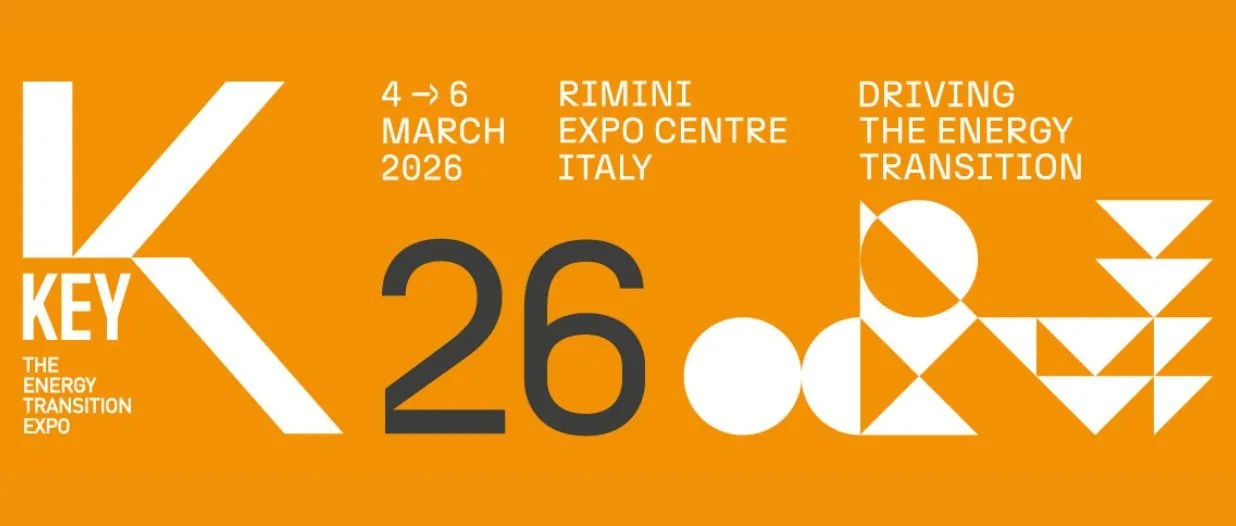
The energy transition is no longer just a political objective or a long-term perspective. It is now a rapidly accelerating industrial process, made up of investments, technologies, and business models that are reshaping the global energy system.

Concrete proof of this comes from KEY – The Energy Transition Expo, the event organized by Italian Exhibition Group at Fiera di Rimini, which once again confirmed its role as a European hub for renewable energy and energy innovation in its 2026 edition.

From March 4 to 6, 2026, Rimini became a meeting point for companies, institutions, investors, and energy professionals for three days. And the event’s numbers clearly reflect the energy of the sector: total attendance increased by 10% compared to 2025, and international participation increased by 9%, a sign of increasingly global interest in decarbonization technologies.

With this goal in mind, the Raptech team visited KEY – The Energy Transition Expo 2026, as the trade show represents an important annual opportunity for operators, developers, technology manufacturers, and professionals in the energy sector.

The visit was a valuable opportunity for direct discussions with customers, partners, and industry professionals, allowing them to strengthen relationships, share experiences, and discuss the market’s key challenges and opportunities.

This success consolidates KEY as one of the leading European events dedicated to the energy transition.


An international energy ecosystem

The 2026 edition confirmed the fair’s international scope. The 24 pavilions of the Rimini exhibition center, spanning approximately 125,000 square meters of exhibition space, hosted over 1,000 exhibiting brands, including approximately 320 international brands.

The event also attracted 530 hosted buyers and delegations from 59 countries, strengthening the fair’s role as a global platform for networking and developing industrial partnerships.

It’s not just about numbers: the geographical diversity of the participants demonstrates how the energy transition has become a shared global challenge. European, Asian, and American companies brought to Rimini technologies, solutions, and projects spanning the entire spectrum of renewables and energy infrastructure.

In parallel, the event hosted approximately 160 events, including conferences, workshops, and technical meetings, transforming the fair into a true platform for discussion between industry, research, and institutions.


The leading technologies: from solar to hydrogen

KEY has been organized around several technological pillars of the energy transition for years, and the 2026 edition confirmed this structure.

The most represented sectors include:

  • photovoltaic solar energy
  • wind energy
  • hydrogen and power-to-gas
  • energy efficiency
  • energy storage systems
  • electric mobility
  • Sustainable Cities and sustainable urban infrastructure

Photovoltaics remains one of the most dynamic sectors, driven by the continuous reduction in costs and increasing module efficiency. Many companies presented new integrated solutions for industrial plants, large solar farms, and residential systems.

Alongside solar, there is growing attention towards energy storage technologies, which are essential for stabilizing electricity grids increasingly powered by non-programmable renewable sources.

Another key theme was green hydrogen, considered one of the strategic levers for decarbonizing sectors that are difficult to electrify, such as heavy industry and maritime transport.


The key role of energy efficiency

While renewables are at the heart of the energy transition, energy efficiency remains its primary driver.

Many meetings and roundtables have highlighted how optimizing energy consumption is the most immediate solution to reducing emissions and costs. Digital technologies, sensors, energy management platforms, and monitoring systems are becoming increasingly widespread tools in businesses.

In this scenario, the integration of energy, digital, and industry is one of the most evident trends: the future of energy lies in smart grids, data management systems, and digital platforms for optimizing consumption.


PPAs and new financing models

Another key theme that emerged during KEY concerns Power Purchase Agreements (PPAs), long-term contracts for the purchase of renewable energy between producers and energy-intensive companies.

These instruments are becoming increasingly important for two reasons:

  1. To guarantee stable energy prices for companies
  2. To make new renewable energy plants eligible for financing

The growing interest in PPAs is also linked to the volatility of energy markets in recent years. For many industrial companies, securing long-term energy supplies from renewable sources means reducing economic risk and improving their sustainability profile.


Energy and geopolitics

The 2026 edition of KEY took place in an international context still marked by geopolitical tensions and a constantly evolving energy market.

Precisely for this reason, the topic of energy security was central to the political and industrial debate. During the fair’s inauguration, the Minister of the Environment and Energy Security emphasized the importance of accelerating the development of renewables not only for environmental but also strategic reasons.

Reducing dependence on imported fossil fuels means increasing the energy autonomy of European countries and making energy systems more resilient.

The role of cities in the energy transition

Another increasingly relevant area is that dedicated to Sustainable Cities. Decarbonization concerns not only energy production, but also how it is used in urban spaces. Among the topics addressed:

  • electrification of transportation;
  • charging infrastructure for electric vehicles;
  • smart urban energy networks;
  • integration between buildings and energy production.

Cities are responsible for a significant portion of global energy consumption and represent one of the main innovation laboratories for the energy transition.


A fast-growing market

KEY’s success reflects a broader trend: the global renewable energy market is experiencing unprecedented expansion.

According to many industry analyses, investments in energy transition technologies will continue to grow in the coming years, driven by three main factors:

  1. increasingly stringent climate targets
  2. decreasing costs of renewable technologies
  3. growing business demand for sustainable energy

In this context, events like KEY are becoming increasingly important as meeting places for industry, institutions, and innovation.

KEY as a platform for the future of energy

From the growing attendance to the variety of technologies presented, the 2026 edition of KEY confirms that the energy transition is now a fully mature industrial process.

The fair is not only a technological showcase, but also a privileged observatory on the transformations underway in the global energy system.

From renewables to hydrogen, from energy efficiency to smart cities, the topics addressed in Rimini outline a future in which energy, digital, and sustainability will be increasingly interconnected.

The next event is already scheduled: the next edition of KEY will return to Rimini in March 2027, with the aim of continuing to bring together businesses, institutions, and innovators to accelerate the transition to a more sustainable energy system.

And if this year’s numbers are a reliable indicator, the transformation of the energy sector is destined to proceed at an increasingly rapid pace.

Solar PV: the global landscape in 2026

After years of exponential growth, the global photovoltaic market is entering a phase of consolidation and transformation. According to industry analyses, the growth of annual installations is slowing compared to the past decade, signaling a shift from quantitative expansion to a qualitative selection of projects and technologies.

Key global dynamics for 2026:

  • Slowdown in installation growth rates in some major markets, due to changes in incentive policies and competitive auctions (e.g., China and the United States).
  • Reduction of production overcapacity and increase in module prices as a result of raw material cost pressures and trade policies.
  • However, solar PV remains the key technology for the energy transition, with steady growth prospects at least until 2030 and beyond.

The global market is therefore in a phase of structural maturation: no longer driven solely by volume growth, but increasingly focused on plant quality, integration with storage systems and smart energy management.

Solar PV in Europe in 2026

In Europe, photovoltaic energy continues to play a central role in the decarbonization of the electricity system. Installed solar capacity in the European Union is expected to reach significant levels in 2026, with cumulative capacity forecasts showing strong growth compared to 2025.

Nevertheless, the European market is showing signs of stabilization and selectivity: while installation rates are no longer reaching the record levels of previous years, opportunities are shifting toward:

Integration with storage and demand management: residential PV systems increasingly incorporate batteries and smart management (smart PV + storage), often connected to electric vehicles.

Long-term supply contracts (PPAs) and corporate markets: a growing number of European companies are signing PPAs to secure renewable energy at stable long-term prices, driving commercial-scale projects.

From a regulatory perspective, the European Union continues to advance plans linked to the Green Deal and REPowerEU strategies, supporting renewable expansion and promoting bureaucratic simplification for photovoltaic plant development.

The situation in Italy: growth and new challenges

In Italy, 2025 closed with more than 43.5 GW of installed photovoltaic capacity, including approximately 6.44 GW of new annual connections.

However, compared to the large figures of previous years, this represents a slowdown (-5% YoY), mainly due to contraction in residential and commercial installations.

Key aspects of the Italian market in 2026:

  • Growth of large utility-scale plants: while small installations are slowing down, large-scale projects are recording significant increases, reflecting the impact of FER-X auctions and previously granted authorizations.
  • Expansion of agrivoltaics: integrated projects combining energy production with agricultural activities are becoming increasingly relevant, supported by dedicated tenders and incentives (see also the Agrisolar Park Call 2026).
  • Incentives and tax deductions for self-consumption: measures supporting residential and corporate photovoltaic systems (tax bonuses and deductions) will continue to sustain the market.

Despite territorial slowdowns, Italy remains one of the most important markets in Europe thanks to favorable solar radiation, growing renewable energy demand and ongoing regulatory efforts.

Technological trends in solar PV in 2026

The sector is not driven only by installed capacity: 2026 is expected to be a year of strong technological innovation.

1. Improvements in photovoltaic modules

The most evident progress concerns:

  • High-efficiency modules: silicon modules exceeding 23% efficiency, bifacial panels and TOPCon/HJT technologies to maximize energy output.
  • Aesthetics and design: increasingly widespread “full black” panels for architectural integration in urban and residential contexts.
  • Price stability and supply chain: after years of declining prices, 2026 is expected to bring stabilization or a slight increase in module prices in response to global market dynamics.

2. Advanced PV: perovskites and tandem technologies

Among the most anticipated innovations:

  • Perovskite-silicon tandem technologies: capable of surpassing the efficiency limits of traditional modules, with potential yields above 30%, progressively approaching industrial-scale commercialization during 2026.
  • Reduction of critical materials: research focused on reducing the use of costly materials such as silver, introducing more sustainable alternatives.

These innovations represent a potential technological leap that could redefine panel efficiency and PV competitiveness across residential, commercial and utility segments.

3. Intelligent systems and energy integration

The European market is seeing growing demand for “smart” photovoltaic systems, including:

  • Integrated energy storage solutions (batteries)
  • Dynamic consumption management through IoT and AI systems
  • Integration with electric vehicles and smart grids

This evolution enables maximization of self-consumption and more efficient synchronization between production and demand, particularly in residential and commercial contexts.

Outlook for Italy and Europe in 2026 and beyond

Looking ahead to 2026 and the following years, solar PV in Italy and Europe is entering a phase of full industrial maturity, where growth will no longer be driven exclusively by installation increases, but by project quality, technological integration and the energy system’s capacity to absorb and manage renewable production.

At the European level, community policies will continue to support solar energy as a pillar of the energy transition. The regulatory framework outlined by the Green Deal and the Fit for 55 and REPowerEU packages pushes toward structural decarbonization, with increasingly stringent emission targets and a progressive reduction of dependence on fossil fuels. In this context, solar PV is no longer merely an incentivized technology, but an economically competitive solution capable of attracting private investment and institutional capital.

However, the real test will be grid management. As the share of solar energy in the energy mix increases, challenges related to grid flexibility, balancing production and consumption, and the need for adequate infrastructure will become more evident. For this reason, in the coming years there will be growing importance of:

  • large-scale and distributed storage systems,
  • smart grids,
  • demand response tools and digital energy flow management.

In Italy, these dynamics will be even more pronounced. The country presents particularly favorable conditions for photovoltaics – high solar irradiation, wide availability of industrial and agricultural surfaces, strong energy demand – but must address structural challenges such as authorization complexity and slow bureaucratic procedures. In the medium term, the ability to simplify processes, accelerate grid connections and ensure regulatory predictability will be decisive in sustaining sector growth.

At the same time, alternative development models will strengthen, such as:

  • large utility-scale plants, often supported by long-term PPAs,
  • advanced agrivoltaics, combining energy production with agricultural activities,
  • collective self-consumption and energy communities, destined to become key elements especially in urban and industrial contexts.

In the post-2026 period, solar PV will increasingly integrate with other sectors: electric mobility, sustainable construction, energy-intensive industry and storage systems. Solar technology will definitively cease to be perceived as an “add-on” solution and will become a core energy infrastructure, central to economic competitiveness and European energy security.

2026 therefore appears as a turning point in the photovoltaic pathway: less quantitative boom, more quality, innovation and sustainability. The European and Italian energy transition increasingly relies on a mix of public policies, private market forces, advanced technologies and smart energy management approaches.

In view of the event KEY – The Energy Transition Expo in Rimini, these trends represent a detailed snapshot of the sector: a mature, challenging yet opportunity-rich market, featuring cutting-edge technologies and an increasingly central role in the European energy system.

On-site exchange has been one of the main tools supporting the spread of photovoltaic systems in Italy for years. It is a form of on-site self-consumption that allows electricity generated and fed into the grid at a certain time to be offset against electricity drawn at a later time. In other words, the electricity grid functions as a sort of “virtual storage,” allowing energy not immediately consumed to be used later.

With this mechanism, the energy produced by a domestic system, such as a photovoltaic system, could be fed into the grid and generate a “credit” to be used when production was insufficient to cover consumption.

However, following decisions by ARERA and GSE, Net Metering is set to disappear: starting May 29, 2025, it will no longer be possible to join the service with new systems. For those already active, the agreement can last a maximum of 15 years, after which the service will automatically cease and the excess energy fed into the system will be recovered through the Dedicated Withdrawal (RID) mechanism.

How does the on-site exchange work?

  • Requirements: The generation plant and the point of consumption must be connected to the same connection point with the public grid.
  • Grid feed-in: Excess energy produced and not self-consumed is fed into the electricity grid.
  • Grid withdrawal: When consumption exceeds production, energy can be drawn from the grid.
  • Virtual storage: The grid acts as a “virtual battery,” eliminating the need for physical storage systems.
  • Offsetting: Energy withdrawn is offset against energy fed into the grid, generating a financial credit for the plant owner.


Access to the mechanism: conditions and deadlines

  • Deadline for new applications: Applications can be submitted until September 26, 2025, exclusively for systems that entered into service by May 29, 2025.
  • No new systems: Starting May 30, 2025, it will no longer be possible to activate SSP agreements, pursuant to ARERA Resolution 78/2025.
  • Activation: For systems under 200 kW, registration is done using the updated version of the Single Form.
  • Contract duration: The agreement has a calendar year term, tacitly renewable, but no longer than 15 years from the first signing (Legislative Decree 181/23 and ARERA Resolution 457/2024/R/efr).


What changes from 2025

  • Ban on new installations: Starting May 29, 2025, access to Net Metering is no longer possible.
  • End of service for existing installations: existing agreements remain valid only until the natural expiration of the 15-year period.
  • Switch to Dedicated Withdrawal (RID): Once the maximum agreement period expires, installations will automatically enter the RID mechanism. In this case, the energy fed into the grid will no longer be compensated but sold to the GSE, which will remunerate it. Energy withdrawn from the grid, however, will be paid to the supplier as usual.


Conclusion

On-site exchange has been an effective tool for leveraging renewable energy generated and not self-consumed, offering producers the opportunity to use the grid as a “virtual battery.” It has provided direct economic benefits and incentivized more sustainable energy practices. Under the new rules, the scheme will remain accessible only to plants commissioned by May 29, 2025, with applications open until September 26, 2025. Those wishing to benefit from it must therefore respect these deadlines and, at the same time, carefully evaluate the future prospects associated with the transition to systems such as Dedicated Withdrawal and Renewable Energy Communities.

With extensive international experience as an asset manager and now co-founder of TAKUU CONSULTING, Giorgio Bonamini answers our questions about the present and future of the photovoltaic market.


Giorgio, after a long experience in the renewable energy sector, you decided to start your own consulting firm. What was the spark that drove you to take this step?

After nearly ten years in the renewable energy sector, I have developed a deep understanding of the management and optimization of photovoltaic assets. The decision to found TAKUU CONSULTING stemmed from the desire to offer a highly specialized service, capable of responding to evolving market needs. Together with Alejandro Invernon Iglesias, co-founder of TAKUU, we recognized that the sector was reaching a stage of maturity, where professional management of existing and future assets is essential to ensuring performance and value over time. Our many years of experience allow us to offer innovative and customized solutions for every client.


What is the mission of your new company and which market players does it mainly address?

TAKUU CONSULTING’s mission is to maximize the value of our clients’ renewable assets, managing them with the same care, responsibility, and strategic vision we would dedicate to our own plants. We offer transparent and independent asset management services, integrating technical, financial, and operational expertise to optimize performance, costs, and processes throughout the plant’s lifecycle.

We primarily serve institutional investors, IPPs, and investment funds, supporting their internal asset management teams with flexible and scalable solutions, both during ordinary management phases and in the context of extraordinary transactions or portfolio consolidation. We also work alongside owner communities and local consortia, offering professional tools to enhance plant value, simplify governance, and improve long-term profitability.


Asset management in the photovoltaic sector is a strategic area, yet often undervalued. What does the added value of proper asset management actually translate into?

Professional photovoltaic asset management maximizes plant profitability by ensuring control over O&M operations, aligning revenues with actual production, and optimizing costs through supplier synergies. Furthermore, active management of PPAs and storage systems mitigates market risks and maximizes asset value even in complex scenarios. A strategic approach to asset management translates into greater efficiency, reliability, and economic sustainability of photovoltaic plants.


You have had direct experience in several European markets: what, in your opinion, are the main differences between Italy and Spain in terms of their approach to photovoltaics and the maturity of the operators?

Over the years, I have worked extensively in both markets, allowing me to observe firsthand how Italy and Spain have developed and consolidated their position in the photovoltaic sector. While both countries are clearly committed to the energy transition, their approaches are different, both regulatoryly and operationally.

In the case of Spain, growth has been very rapid in recent years. The expansion of installed capacity—over 35 GW through 2024—and the proliferation of PPAs with large companies like Amazon are evidence of this. This dynamic has been made possible by the presence of utilities with strong execution capacity. I have also seen how the abolition of the “sol tax” in 2018 represented a major turning point, and how many processes have since been streamlined. However, challenges remain: the regulatory framework is advancing, but there are significant delays in storage permits and grid adaptation, especially for large-scale projects. The recent Royal Decree 7/2025 seeks to correct this situation, but its implementation is still too recent to assess its results.

On the other hand, Italy has a more consolidated path. The experience gained during the Conto Energia period is reflected in operators with a strong technical culture and a rigorous approach to regulatory management. However, I have observed that the development of new projects is faced with more complex authorization processes, primarily due to the lack of harmonization between the state and regional levels, and landscape restrictions in some areas.

In short, these are two markets with complementary strengths: one more institutional and technical, the other more dynamic and scale-oriented. Having worked in both allows me to understand these differences and apply the best of each approach in the solutions we offer at TAKUU.


In Italy, there’s growing talk of repowering and revamping. Is this really the new frontier, or are we underestimating other emerging assets or dynamics?

Repowering and revamping are essential today to leverage existing assets, but the real frontier lies in the development of hybrid systems, integrating photovoltaic, wind, and energy storage systems (BESS). Market evolution, with increasing curtailment and the growing share of renewables, requires cross-functional skills and advanced management of new revenue stacking models. TAKUU CONSULTING supports clients in this transition, offering tailored technical and strategic advice.


How do you see the role of technical and strategic consulting in photovoltaics evolving over the next five years? Will there be more room for independent, specialized operators like you?

Over the next five years, technical and strategic consulting in the photovoltaic sector will be increasingly in demand, especially for the management of PPAs and storage systems. The growth of renewable assets and the complexity of new business models will make it essential to rely on independent and highly specialized partners like TAKUU CONSULTING, capable of offering customized, flexible, and, above all, rapid solutions.


What advice would you give to a young professional who wants to enter the world of photovoltaics and asset management today?

Photovoltaics is a rapidly expanding sector, offering many real opportunities for those who are eager to learn. My advice is to build cross-disciplinary skills: thoroughly understand both the technical and economic-financial aspects. Asset management, in particular, gives you a comprehensive view of how a system actually works and what it takes to make it profitable over time. It’s a dynamic, concrete field, where you work on real problems and where you can grow quickly, especially if you have a practical, results-oriented approach.

In recent years, the expansion of photovoltaic systems in Italy has reached unprecedented levels. Between January and June 2024, 3.34 GW of new photovoltaic power were installed, an increase of 145% compared to the same period in 2023. In total, as of June 2024, 1,763,977 photovoltaic systems were in operation for a total power of 33.62 GW. This growth was mainly driven by large-scale (utility-scale) plants, which recorded an increase of 240%. This notable growth reflects the country’s commitment to greater energy sustainability and the adoption of renewable sources.
A key factor in maximizing the efficiency of these systems is energy storage. Storage systems allow you to store excess electricity produced from renewable sources, making it available when needed and increasing the flexibility of the electricity grid. These not only balance supply and demand, but also stabilize the electricity grid, effectively integrating renewable sources.


How Photovoltaic Storage Works

Energy storage is essential to optimizing the use of photovoltaic systems. This system allows you to store excess electricity produced during peak solar hours, to then send it back to the grid or use it when production is low.
The heart of storage systems are batteries, which transform solar energy into chemical energy, and then convert it back into electricity.
The process of storing energy in photovoltaic systems is essential to optimizing the use of solar resources. It starts with solar panels that capture solar energy, converting it into direct current (DC) electricity. This energy is then transferred to a storage system, usually consisting of batteries, which stores it for future use.
The next step is the conversion of the stored energy. Batteries store energy in the form of direct current, but to power most appliances and devices, conversion to alternating current (AC) is necessary. An inverter does this, making the energy usable for home consumption or for being fed into the electricity grid.
Imagine the process as a simplified diagram: solar energy is collected by panels ➔ stored in batteries ➔ converted from DC to AC ➔ used or distributed.
This technology allows you to make the most of solar energy, reducing grid dependency and supporting a transition to a more sustainable energy future.


Types of Batteries for Photovoltaic Systems

When it comes to batteries for solar systems, the main choices include:

Lead-Acid Batteries: These batteries use lead plates immersed in sulfuric acid. They are known for their lower cost and proven reliability, but they tend to be heavier and bulkier. They also require regular maintenance.

Lithium-Ion Batteries: These batteries offer higher energy density and longer lifespan than lead-acid batteries. They are lighter and more compact, making them ideal for mobile and residential applications, but they do cost more to manufacture. Choosing between these two types of batteries depends on your specific energy needs and the cost you are willing to pay. Lithium-ion batteries, for example, while more expensive, offer greater efficiency and longevity advantages, making them a popular choice for those looking for more advanced renewable energy solutions.


Advantages of Photovoltaic Storage

Integrating storage into photovoltaic systems offers numerous advantages that enhance energy efficiency and sustainability. Let’s see how:
• Optimization of solar energy use: storage allows you to use solar energy as soon as it is available, storing the excess for times of need, such as at night or on cloudy days. This dynamic system reduces waste and maximizes self-consumption;
• Reduction of energy costs: by using stored energy during peak hours, you can reduce dependence on the electricity grid and therefore save on energy costs;
• Greater energy independence: by using stored energy, users can reduce their dependence on electricity price fluctuations and power outages, gaining greater energy autonomy and stability;
• Optimal energy management: photovoltaic storage allows you to optimally manage the energy produced by solar panels, avoiding waste and optimizing consumption to maximize energy efficiency;
• Reduction of CO2 emissions: by using solar and stored energy, you contribute to the reduction of greenhouse gas emissions and the adoption of more sustainable energy sources;
• Greater energy security: With photovoltaic storage, you have greater energy security in the event of blackouts or emergencies, since you have an alternative source of energy.
In short, photovoltaic storage is transforming the energy sector by making it more sustainable, resilient and innovative.


Overview of Storage Systems in Italy

The landscape of storage systems in Italy is constantly evolving, with different segments showing different trends. Here is a summary of the main trends and developments:
Storage Segments
1. Residential Segment: recorded a 25% contraction in the number of installations, mainly due to the end of the Superbonus 110%. Power and capacity also decreased by 31% and 29% respectively;
2. Commercial-Industrial (C&I) Segment: saw an 18% decline in the number of installations, with a 29% reduction in power and 11% in capacity;
3. Utility Scale Segment: grew significantly, with a 133% increase in the number of units installed, a 532% increase in power and a 2877% increase in capacity. This segment is driven by the plants that won the capacity market auction and by merchant plants.
Among the successful projects, Enel’s TES and Energy Dome’s CO2 battery stand out. These innovations are concrete examples of Italy’s commitment to sustainable and advanced storage solutions. By using common materials and innovative technologies, these projects reduce dependence on rare materials and improve energy efficiency.
National policies play a key role in supporting this growth. Government incentives and tax breaks are encouraging the adoption of storage systems, although bureaucratic hurdles remain. With improved permitting and infrastructure, Italy can consolidate its position in the global storage market.


Future of Energy with Photovoltaic Storage

The future of PV storage looks bright, with trends pointing to the increasing integration of renewables into the electricity grid. As PV installations continue to expand, the capacity and power of storage systems will follow suit, improving the stability of the electricity grid. Italy is expected to have the highest share of new energy storage systems in Europe in the coming years, thanks to the optimization of renewable energy production and grid stability. Events such as the ‘Power Up Your Future ESS Experience Day’ organized by Sungrow, have highlighted the importance of storage systems in achieving carbon neutrality by 2050.
Experts predict significant technological developments, including new innovative solutions such as PowerTitan 2.0 and PowerStack 200CS, which promise to improve grid stability and reduce energy costs. This progress, combined with greater collaboration between stakeholders, could usher in an era of more efficient and sustainable storage systems.
The safety of energy storage systems (BESS) and their ability to maintain the stability of the electricity grid will become increasingly important. Technologies such as grid-forming will ensure the long-term stability of new energy systems
Policies in favor of renewable energy will continue to support the growth of the sector. Government incentives and environmental regulations will play a crucial role in accelerating the transition to a cleaner energy future.
In summary, the future of energy with photovoltaic storage promises to be an opportunity to facilitate the transition to a more sustainable, efficient and resilient energy system, contributing to the reduction of greenhouse gas emissions and the fight against climate change.