

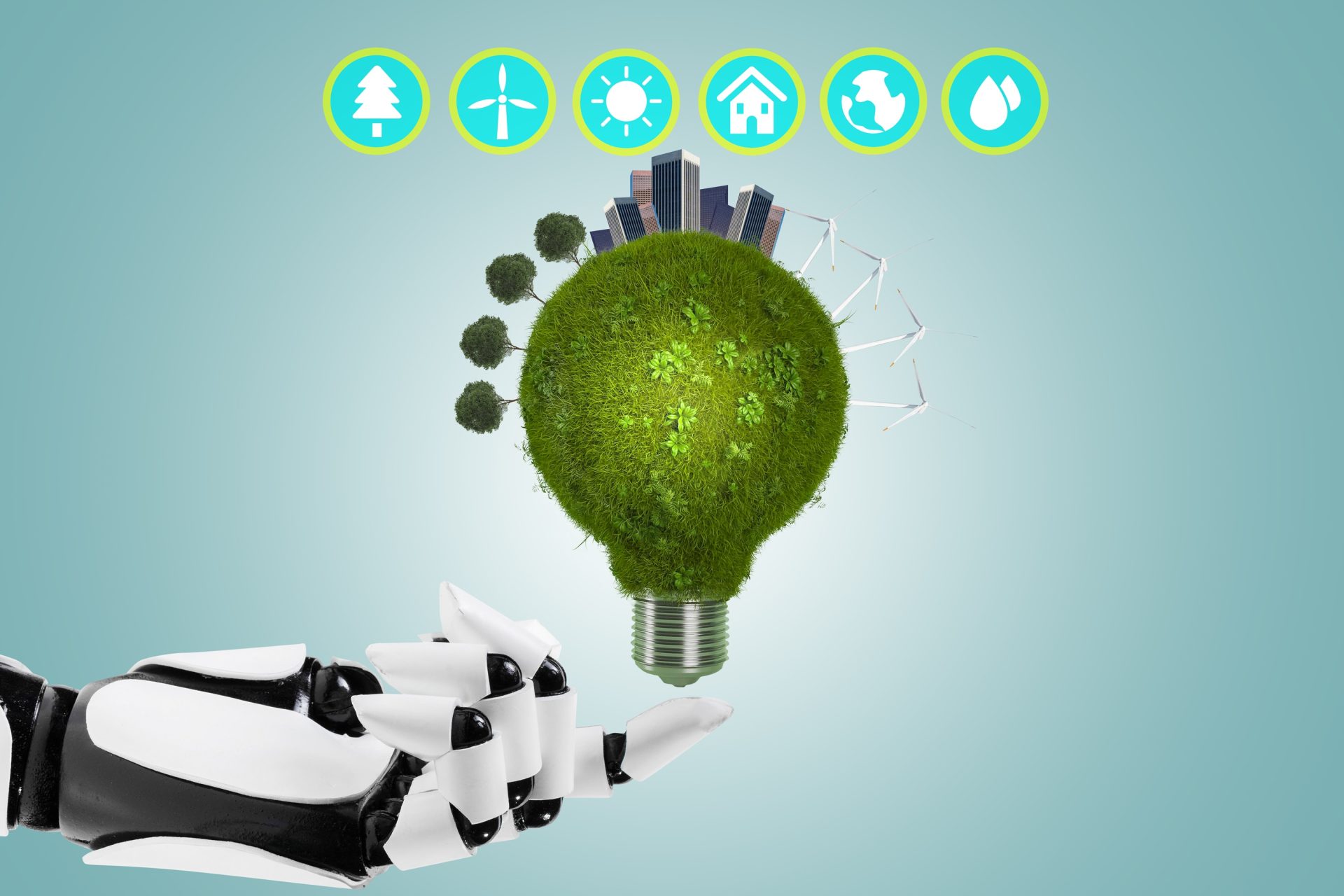
In recent years, the buzz around artificial intelligence (AI) has reached fever pitch, affecting industries from healthcare to finance. However, as we navigate this landscape, especially in the realm of renewable energy, it is critical to discern the line between the hype of AI and its tangible benefits. With the growing urgency of climate change, AI’s potential to support human labor in renewable energy promises not just innovation, but real solutions for a sustainable future.
The Landscape of Artificial Intelligence in Renewable Energy
Artificial intelligence (AI) encompasses a broad range of technologies designed to enable machines to mimic human cognitive processes. In the renewable energy sector, AI offers advanced solutions to optimize energy production, manage demand response and improve predictive maintenance of plants. Companies are increasingly adopting these technologies to streamline operations, reduce costs and facilitate decision-making, leveraging AI’s ability to analyze massive amounts of data and provide fast, accurate results. However, while progress in the sector is promising, practical implementation and scalability of these technologies remain a challenge.
For example, AI algorithms can process large amounts of data from wind turbines and solar panels to more accurately predict energy production. This accurate forecasting facilitates better integration of renewables into existing energy networks, helping to reduce disruptions and maximize operational efficiency. With these capabilities, AI is supporting the transition to a more flexible and sustainable energy system. Another key aspect is the role of AI in dynamically managing energy demand. Using real-time data, algorithms can adapt energy usage and distribution in response to fluctuations in demand, ensuring greater stability of the power grid.
This approach not only ensures a constant supply of renewable energy, but also reduces stress on the overall energy system, helping to create a more resilient and secure energy infrastructure. In addition to optimizing energy production and distribution, AI is revolutionizing predictive maintenance of renewable assets. By analyzing operational data and identifying patterns, AI algorithms can predict impending failures or maintenance needs before major problems arise. This proactive approach minimizes plant downtime, maximizes asset utilization, and extends the useful life of wind and solar plants, thereby improving overall efficiency.
The dichotomy between hype and reality
Despite the great theoretical potential of artificial intelligence (AI), its practical implementation is lagging behind for several reasons, including technical, economic, social and regulatory issues. Some of the main challenges include:
- Infrastructure complexity: Integrating AI requires advanced and up-to-date technological infrastructure. Many energy networks, for example, were designed before AI and renewable energy became central to global energy strategy. Upgrading these networks and installing the sensors, software and hardware needed for AI is expensive and requires a long implementation time.
- Data availability and quality: AI relies on large amounts of data to function effectively. However, in renewable energy, the data collected can be incomplete, disorganized or of variable quality. Collecting accurate data from renewable energy sources, such as wind turbines or solar panels, can be challenging, especially in remote environments. Without reliable data, AI algorithms cannot reach their full potential.
- Upfront costs and investments: While AI can generate long-term savings, initial implementation requires significant investments. This includes development costs, infrastructure, hardware, training, and customization of systems. Companies, especially smaller ones, may struggle to justify these upfront investments, preferring more traditional and less expensive solutions.
- Training and specialized skills: Effective use of AI requires highly skilled engineers who understand both renewable technologies and the complexities of AI. There is a significant gap between the speed at which AI is advancing and the training of the workforce needed to operate and maintain these systems. A lack of specialized skills is holding back widespread adoption of AI.
- Mistrust and resistance to change: Many organizations and operators may be skeptical about adopting AI, especially due to fears of losing control over critical systems or uncertainty about the outcomes. This cultural and psychological resistance can slow the diffusion of new technologies, even when they demonstrate potential for improvement.
- Regulation and governance: AI implementation is governed by regulations that often fail to keep pace with technological evolution. Integrating AI into regulated industries such as energy requires clear guidelines on safety, ethics and transparency. Lack of adequate regulation can create uncertainty, making companies reluctant to adopt AI at scale.
- Scalability and customization: AI algorithms developed in the lab or for specific applications may not work as well in larger or different contexts. Often, an AI system that works well in a small-scale situation must be redesigned or adapted for implementation at an industrial scale. Customization of AI solutions can be expensive and complicated.
- Interoperability: In energy systems, AI must integrate with existing technologies that may not be compatible. Interoperability between new AI systems and existing infrastructure and software is a significant challenge. Technologies need to “talk” to each other, and this often requires implementing standards or updates that can slow down the process.
In summary, while AI has enormous potential to transform the renewable energy sector, its impact is hampered by infrastructural, economic, regulatory and cultural obstacles. Addressing these issues requires strategic investment, more flexible regulation and a shift in mindset among both industry players and policymakers.
Real-world applications of AI
Despite skepticism, there are notable cases where AI is having a measurable impact in the environmental protection sector. Companies like Google have integrated AI into their data centers to reduce energy consumption. Using machine learning algorithms that analyze data in real time, Google has reportedly reduced its energy consumption for cooling systems by 30%.
Another application is waste management. AI systems are used to optimize waste collection and disposal processes, reducing environmental impact and improving recycling. Thanks to advanced recognition capabilities, AI can identify recyclable materials and separate waste more efficiently than traditional methods. Finally, AI is being used in monitoring air and water quality, collecting and analyzing large amounts of data in real time to identify pollutants and develop mitigation strategies. These tools allow for rapid response to environmental emergencies, such as oil spills or forest fires, helping to minimize damage.
The Future: Balancing Hype and Pragmatism
As we move deeper into the renewable energy era, it is critical to shift our focus from mere excitement about the potential of artificial intelligence (AI) to its concrete, pragmatic application. AI, while innovative and promising, requires a thoughtful strategy that balances technological euphoria with the real needs and challenges of the energy sector. It is important to understand that the successful implementation of these technologies is not just about their sophistication, but also about how to put them into practical, operational contexts. A key aspect of this transition is investing in education and training.
Creating educational programs aimed at renewable energy engineers and professionals could address the skills gap that often holds back AI adoption at scale. By equipping workers with a solid understanding of AI technologies, they can be made more accessible and effectively integrated into everyday applications, thereby reducing resistance to change and increasing operational efficiency.
In addition to training, it is essential to develop tools and platforms that promote technological innovation, but at the same time mitigate its risks. Creating collaborative environments where businesses, AI developers and policy makers can interact, share knowledge and test solutions would foster a safer and more thoughtful adoption of new technologies.
These tools could include simulators, small-scale test environments and pilot projects that allow us to anticipate potential critical issues and optimise the integration of AI technologies into renewable energy production processes. Successfully addressing the future of renewable energy therefore requires a vision that combines enthusiasm for new discoveries with a practical and realistic approach. The allure of innovations must be accompanied by careful planning that takes into account infrastructure needs, human resources and implementation times. Only in this way can we avoid the pitfalls of too rapid or poorly orchestrated adoption.