

Internet of Things in the world of renewable energy
Renewable energy has become a priority for many countries around the world, as more and more people realize the importance of reducing the environmental impact of our daily activities. At the same time, the Internet of Things (IoT) is gaining more and more relevance as a technology that can improve our lives and the way we manage resources.
The combination of these two areas, renewable energy and IoT, offers great opportunities for a more sustainable and intelligent future. But how can these two technologies work together to achieve these goals? This article aims to explore the benefits and challenges of using IoT in the renewable energy sector, highlighting the importance of understanding the dynamic between these two areas.
Before going into details, let’s briefly see what the Internet of Things is and how this technology works.
What is the Internet of Things
The Internet of Things (IoT) is a concept that refers to the connection of devices and objects to the digital world through the use of the internet. These devices, thanks to sensors and connectivity, are able to collect data in real time and communicate with each other, allowing intelligent management and control of activities.
How IoT works:
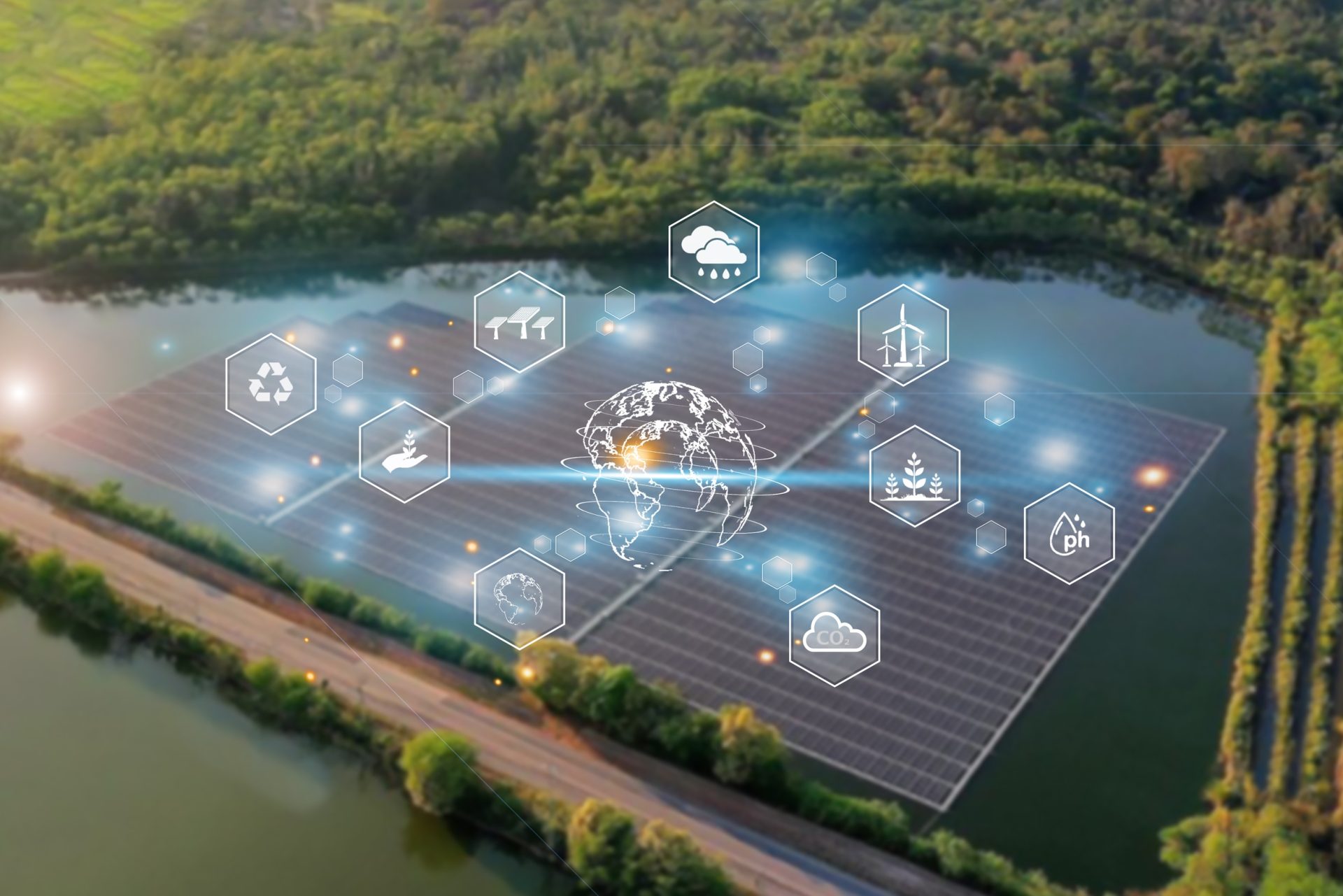
To better understand how IoT works in the renewable energy sector, it is important to understand how this technology can be applied. IoT devices can be integrated into every phase of energy production and distribution, collecting data on consumption, production, and state of resources. This data can then be analyzed to optimize processes and improve energy efficiency. Furthermore, IoT can be used to monitor and control energy use in real time, allowing for more precise and responsive management of resources.
Examples of IoT devices and technologies in the renewable energy sector:
Among the IoT devices and technologies used in the renewable energy sector are environmental monitoring sensors, intelligent energy controllers, and automation systems for optimizing production processes. Furthermore, thanks to the IoT, it is possible to integrate energy storage systems, such as batteries or electric vehicles, for more efficient and sustainable energy management.
The advantages of using IoT in renewable energy
The Internet of Things (IoT) offers a wide range of opportunities for the renewable energy sector, thanks to its ability to collect and analyze real-time data from smart devices and technologies. This leads to numerous benefits, including greater improvement in energy efficiency, better management of resources and maintenance operations, and the possibility of developing new services and business models. This is possible thanks to the connection and integration of the different devices and systems that make up the renewable energy system, allowing more precise control and greater optimization of the processes.
Furthermore, the use of IoT can lead to a significant reduction in costs, thanks to the ability to promptly identify any problems or inefficiencies in the system and intervene promptly to resolve them. This can also contribute to greater reliability of renewable energy, reducing the risk of interruptions or malfunctions.
Finally, IoT technology offers the possibility of developing new services and business models based on real-time data and analysis. For example, selling energy data to third parties or using sensors to monitor energy production and consumption to optimize the system.
Challenges in collaboration between IoT and renewable energy
While using IoT in the renewable energy sector offers numerous benefits, there are also some challenges to address.
The first challenge concerns data and network security. With an ever-increasing number of connected devices, it is crucial to ensure the protection of the information collected and exchanged between them.
Furthermore, there is the issue of interoperability and standardization between the different IoT devices and technologies used in the sector. Common protocols need to be defined to ensure compatibility and facilitate management of these systems.
Finally, the environmental impact of using IoT in the renewable energy sector must also be considered. It is important that the solutions adopted are sustainable and environmentally friendly.
Overcoming these challenges requires a comprehensive security strategy, collaboration between industries and institutions to define common standards, and a continued focus on environmental sustainability. Only in this way can the IoT be fully exploited to improve the renewable energy sector.
Trust-PV: European research project with a particular focus on the IoT theme
The European TRUST-PV project (in the wake of the Horizon 2020 programme) aims to improve the performance and reliability of photovoltaic systems. To this end, the project is supporting the development of O&M-compatible and grid-friendly photovoltaic components and solutions across large portfolios of distributed and industrial-scale plants. TRUST-PV innovations are tested and demonstrated in the field, with all data collected along the value chain feeding into a decision support platform that uses AI and is based on Industry 4.0 concepts. The project is driven by an industrial approach and brings together 20 organizations from the entire solar PV value chain, including Raptech.
The objective of TRUST-PV is to achieve an increase in the performance and reliability of photovoltaic components (through the design of O&M-friendly photovoltaic modules, robust and reliable solutions for inverters, aftermarket coatings), of photovoltaic systems (engineering , accurate design, construction, operation, repowering and disposal), and in large portfolios of distributed plants and industrial-scale plants (digital twin, advanced forecasting, statistical analysis).
Conclusions
In conclusion, the Internet of Things offers great opportunities for the renewable energy sector, but it is important to address the challenges effectively. Real-time data collection and analysis, greater energy efficiency and the possibility of developing new services and business models are just some of the benefits that IoT can bring to the sector. However, common standards and protocols are essential. By continuing to monitor the developments and evolution of this collaboration between IoT and renewable energy, we can maximize the potential of IoT to transition to a more sustainable and intelligent future.