

A green victory: Germany is shutting down its last three nuclear power plants
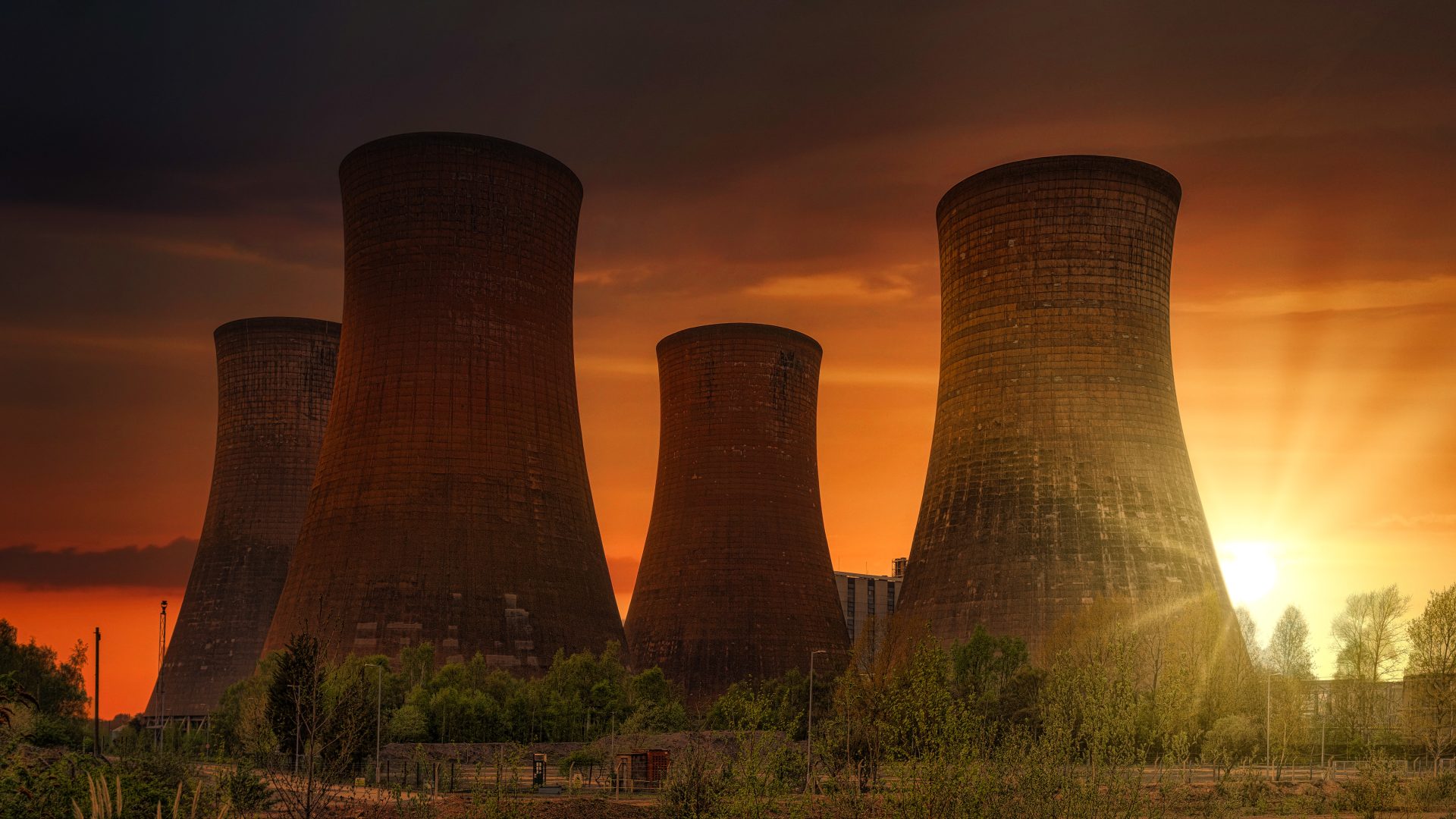
Germany took a historic step on April 15, 2023, by permanently abandoning its nuclear power generation program: the authorities disconnected the last three operational nuclear power plants (NPPs) from the grid: Isar-2, Neckarwestheim-2 and Emsland . This decision, against the background of the energy crisis, has caused discussions and controversies in German society and political circles. The authorities planned to shut down the last nuclear power plants by 1 January 2023, but in light of the conflict in Ukraine and the situation of energy supplies from Russia, it was decided to extend the operational life until 15 April. The German government will not extend the operation of the stations again after this date. The decision to phase out nuclear power plants was taken in 2011 under Angela Merkel, who held the post of chancellor at the time. Decades of anti-nuclear protests in Germany, sparked by the disasters of Three Mile Island, Chernobyl and Fukushima, have prompted successive governments to stop using the technology.
Tensions in the governing coalition
Even within the ranks of the governing coalition (the Social Democratic Party of Germany, the Greens and the Liberal Democratic Party) there has been a split over the issue of closing the power plants. The Free Democrats have pushed for confirmation of the use of nuclear power and have insisted that nuclear power is safe and environmentally friendly. But in the end, the Greens managed to force their own agenda into government and get these latest closures. “Nuclear energy is too expensive, too slow, too dangerous and unsustainable in the face of the climate crisis due to the huge consumption of cooling water,” said Steffi Lemke, Minister of Environment and Nuclear Safety. The Vice Chancellor, Minister of Economy and Climate Protection of Germany Robert Habek (also “Green”), in turn, has repeatedly assured that, from his point of view, energy security in Germany would also be ensured after the shutdown of the last nuclear reactor. With this, 60 years of German nuclear energy history will come to an end: the first plant was started up in 1960 in the Bavarian district of Lower Franconia.
End of the nuclear age for Germany
German Economy Minister Robert Habeck and Environment Minister Steffi Lemke stressed the importance of renewable energies. “We aim to produce 80 percent of our electricity here in Germany from renewable sources by 2030,” Habeck said. According to the minister, the reliability of energy supply in Germany will be guaranteed even after the closure of the last three nuclear power plants; this reliability will be ensured, to a large extent, by the large-scale expansion of the use of renewable energy sources. Environment Minister Lemke said moving away from nuclear power will make Germany safer, as the risks associated with nuclear power are ultimately uncontrollable. “With the closure of the last three nuclear power plants, we are entering a new era of energy production.” Greenpeace sees the end of nuclear power in Germany as a “good day” for climate protection and a success for the anti-nuclear movement.
Early transition to renewable energy sources
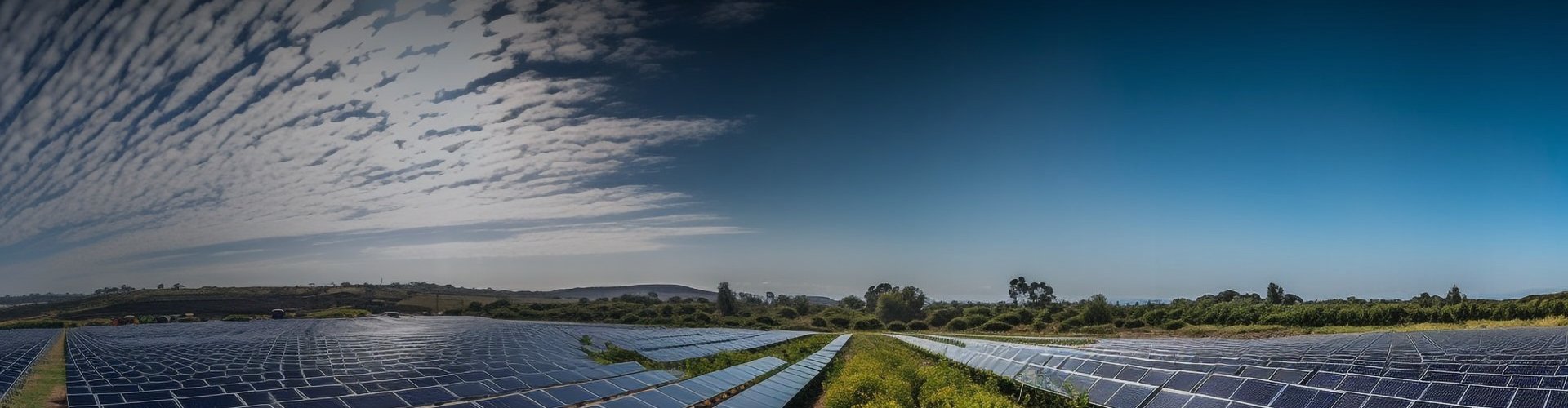
The promotion of the use of renewable energy sources in Germany started as early as the 1990s; in 2000 this was enshrined in the Renewable Energy Act (EEG). One of the components was the so-called surcharge for stimulating energy production from renewable energy sources (German: EEG-Umlage), within which the rising costs of expanding green electricity production were passed on to consumers in a certain proportion. In 2022, the federal government removed this surcharge to relieve electricity consumers due to rising energy costs. Today most of the electricity is generated from renewable sources. In the first half of 2022, they accounted for about 49%. The federal government wants to significantly accelerate this process in the 2020s. Specific measures include the construction of new wind farms on land and offshore, the use of all suitable roofs for solar energy generation and the expansion of photovoltaic plants on agricultural land. However, the energy transition requires not only new plants but also adequate electricity grids. The transmission of electricity generated by wind turbines, mainly in the north of Germany and in the south of the country, where large industrial enterprises are located, requires transmission lines of several hundred kilometers, which is why the Federal Ministry of Economy and Protection climate attaches great importance to the expansion of interregional and local distribution networks.
A plan to increase local green energy production capacities
Germany wants to triple the share of photovoltaic electricity sources in 10 years. The German government has developed a three-phase plan to increase the generation capacity of green energy and electricity grids in the country and in Europe. Among other things, the government plans to acquire stakes in renewable energy production companies and stimulate local production of wind turbines and solar panels. Increasing its “green” production capacity has become an essential priority for the country. To develop the plan, Germany held public consultations from April 2022 to February 2023. Economy and Climate Protection Minister Robert Habek said the plan includes:
• Helping companies to invest and maintain renewable energy production capacity. He noted that Germany wants to define additional instruments, in particular a special electricity tariff for industry. As well as incurring operational costs, which are now against EU regulations. For example, China offers industry cheap electricity rates of €0.07 per kilowatt hour. The government also plans to set up a “transformation fund” through which it will seek to acquire shares in renewable energy companies. This should encourage investment, not permanent government involvement;
• Temporary mitigation of the risks of expanding the onshore wind and electricity grid. A wind farm owner who cannot sell his electricity due to a backlog of grid capacity can be compensated, for example, by using a new tool;
• A new round of innovative EU-approved funding programs called Important Projects of Common European Interest (IPCEI) and their extension to solar energy. Note that at this point Berlin will seek the support of Spain, which first put forward this idea.
The government will also conduct a study to rebuild the solar energy value chain in Germany: “The country wants to triple the share of photovoltaic electricity sources from the current level of around 10% to around 30% in just ten years” , said Jörg Ebel, head of the solar industry lobby association BSW. He also added that Germany should rely on more than just buying solar panels. The cost of implementing the plan is not yet known, but government support for large-scale operational costs could be decisive. The authors underlined that a significant part of the German plan for the development of the “clean” technology industry in its territory depends on changes at the EU level. Constrained by EU state aid rules, measures such as special support for operational expenditure would be unthinkable. To implement the measures, the Commission must first create the legal framework required by EU state aid rules. Habek stressed that the German initiative could complement the Green Deal industrial plan. We recall that the European Commission has presented the “Green Deal” industrial plan, designed to increase the competitiveness of European zero-emission industry and promote a rapid transition towards climate neutrality. As EcoPolicy previously reported, the European Commission plans to ease state aid rules to support green investments, particularly through tax incentives.